

a history of Arts Letters & Numbers
A cross-disciplinary commons for art, education, and experimentation
Arts Letters & Numbers was founded in 2011 by David Gersten in Averill Park, New York. The date marks the founding of the organization, although its history has several possible beginnings. Someone who helped clear the Mill might begin with the vacant warehouse on Burden Lake Road and the work parties that brought it back into use. For others, the starting point might be the conversations Gersten and Farid Moslehi had been carrying on for years about education and the ways knowledge changes through contact with other practices. The first summer participants would remember arriving in July 2012, several months after an experiment at Aarhus School of Architecture gave the group a reason to come together again in Averill Park. Each of these beginnings belongs to the history of how a place was built and how an organization developed through the work people undertook there.
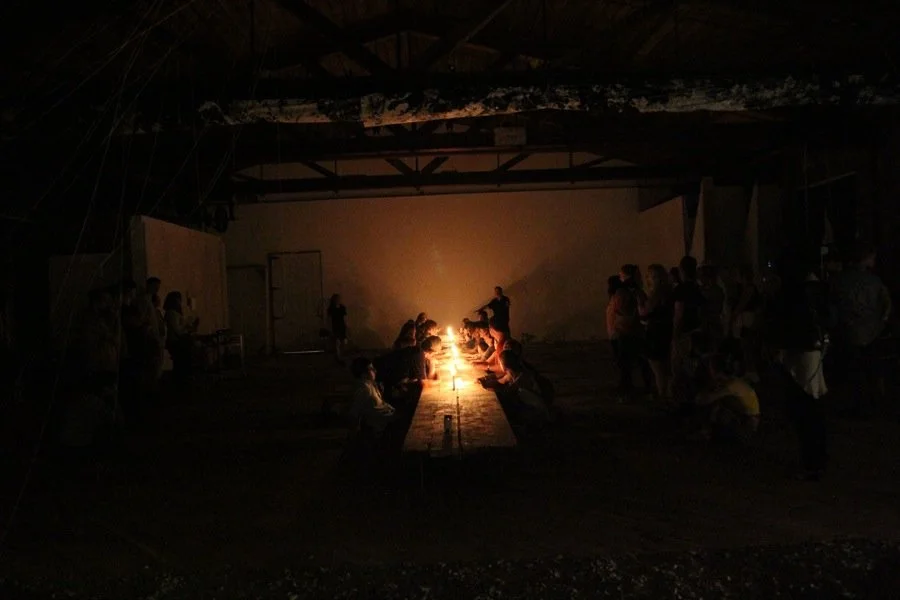
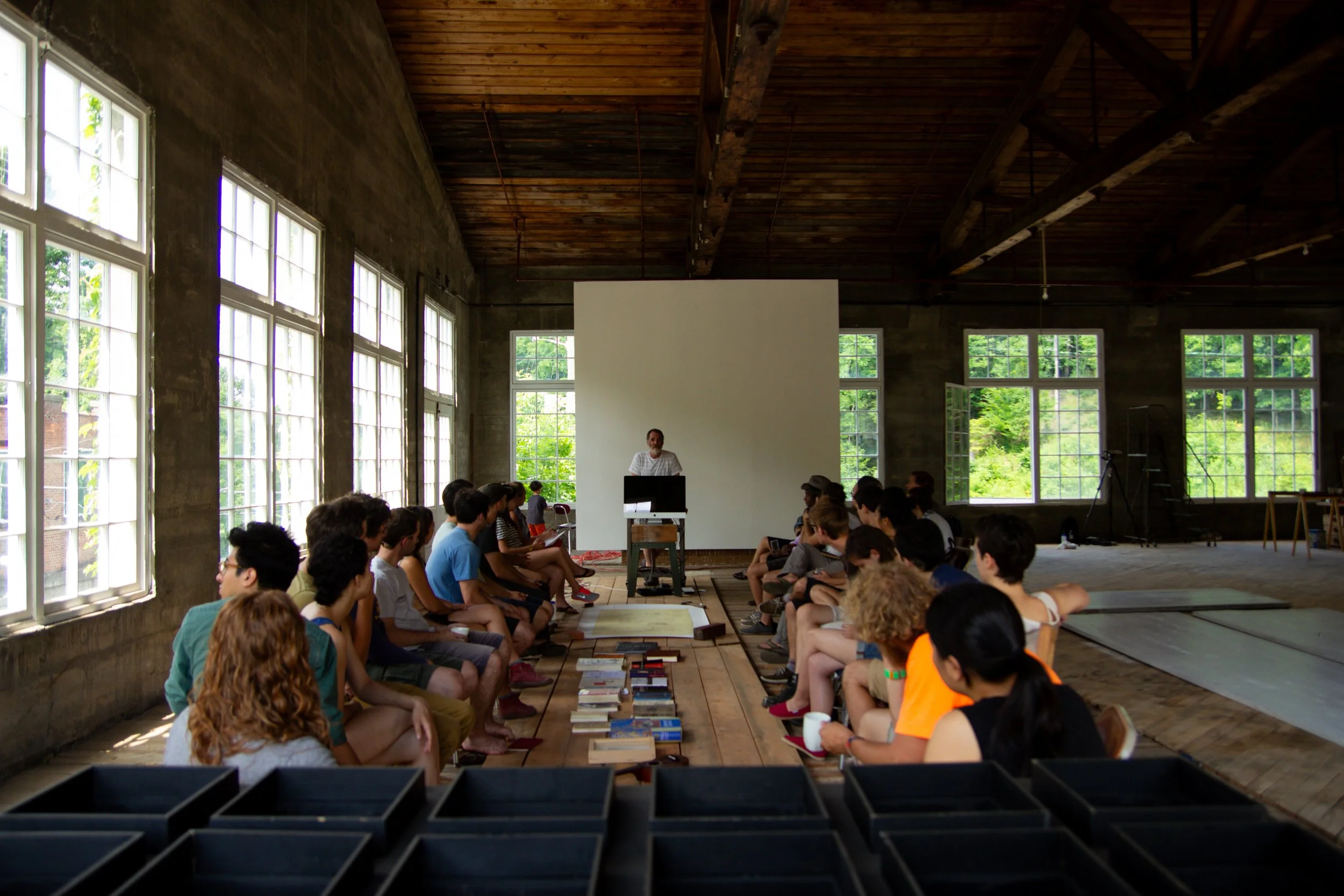
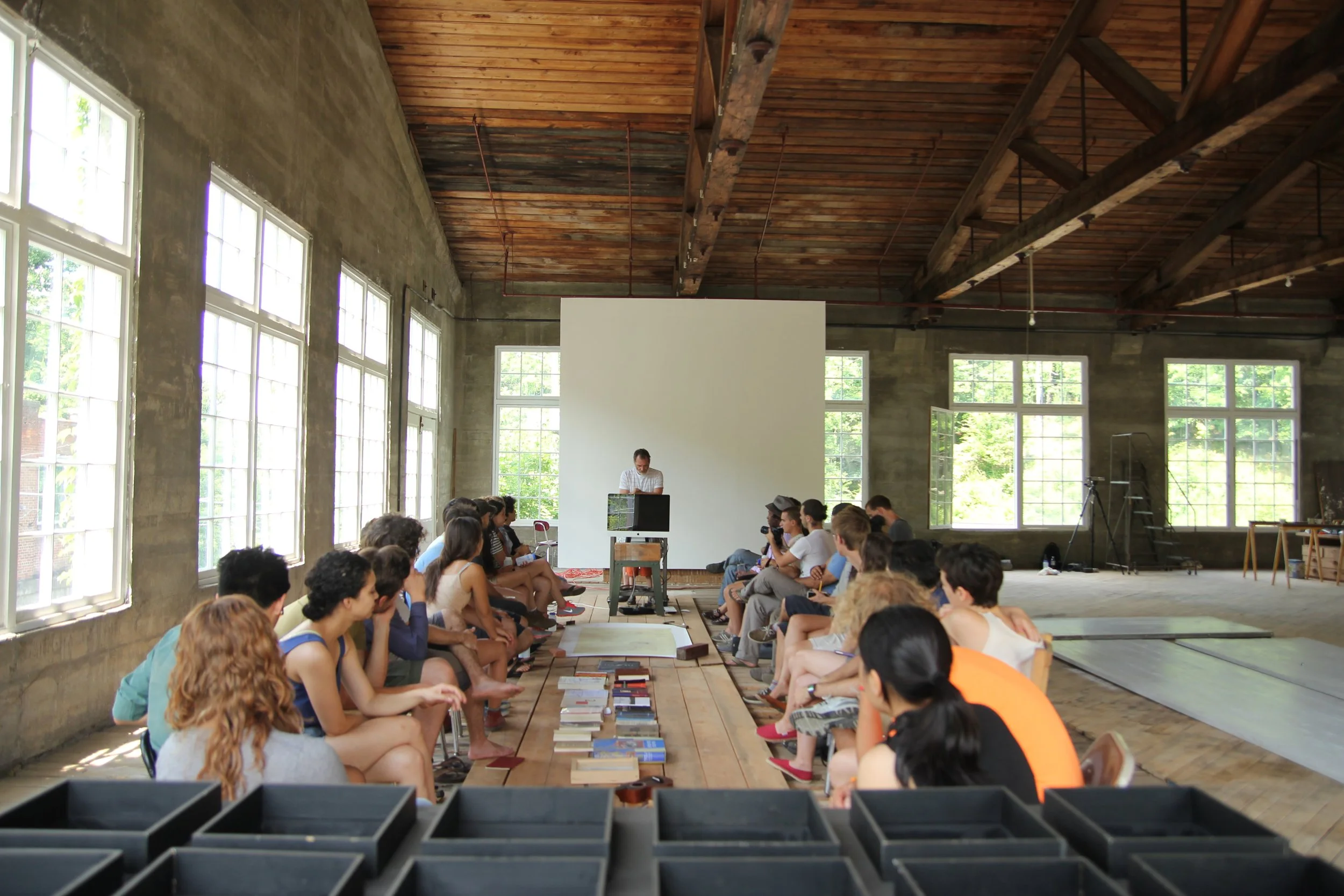
The early public life of Arts Letters & Numbers centered on a summer workshop that brought people together at the Mill for several weeks of construction, drawing, writing, film, music, and performance. The organization grew as people made it possible to spend more time there. The former mill owner’s residence gave participants a place to stay close to where they worked. Other buildings provided room for studios, performances, and public gatherings. Over successive years, a program that had concentrated much of its activity into a single summer workshop developed into a year-round campus, with enough space for people to pursue their own work and for several programs to develop alongside one another. That growth depended on the people who undertook the physical work of making the place usable, often while they were helping to make the programs that would give it a public life.
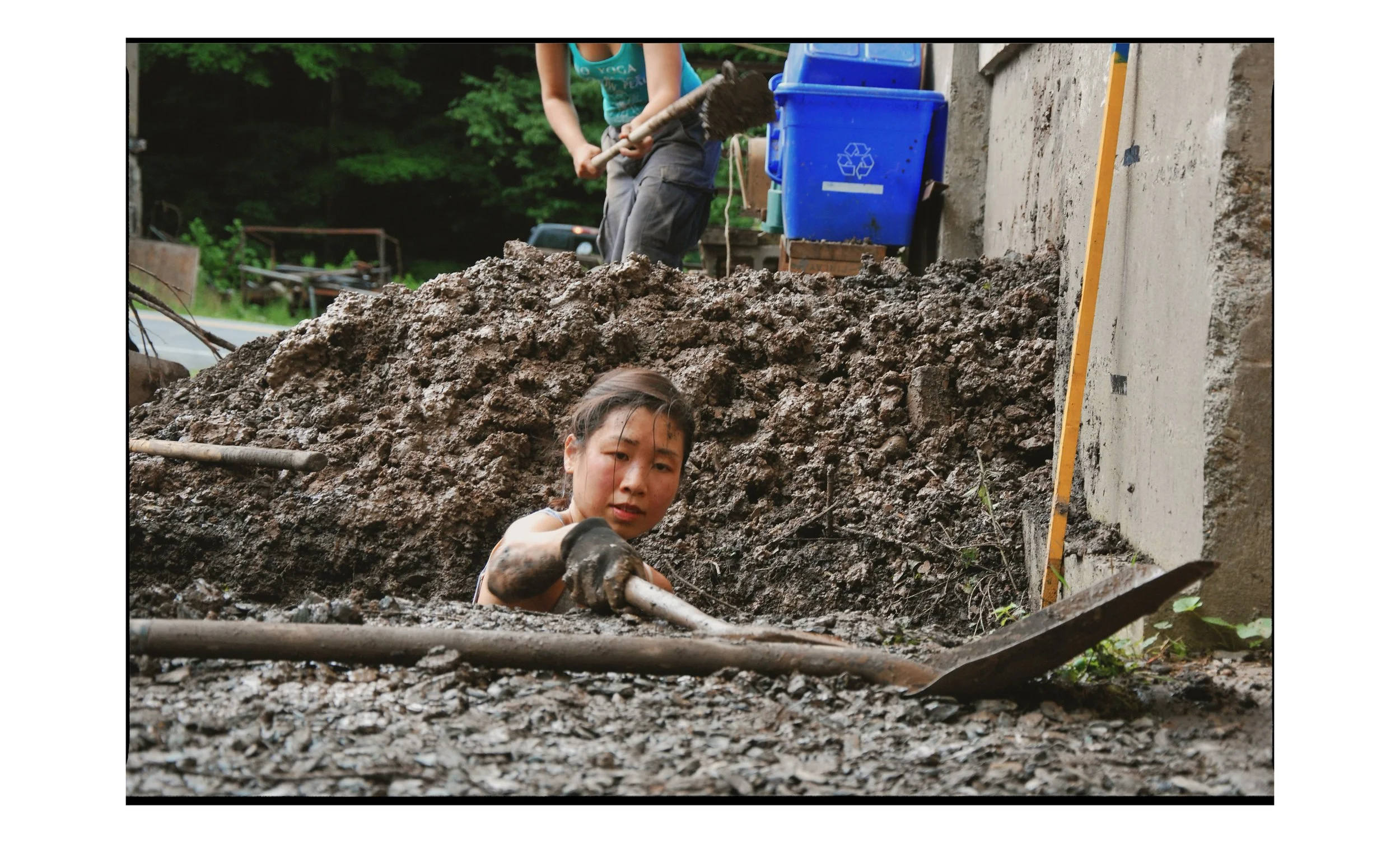
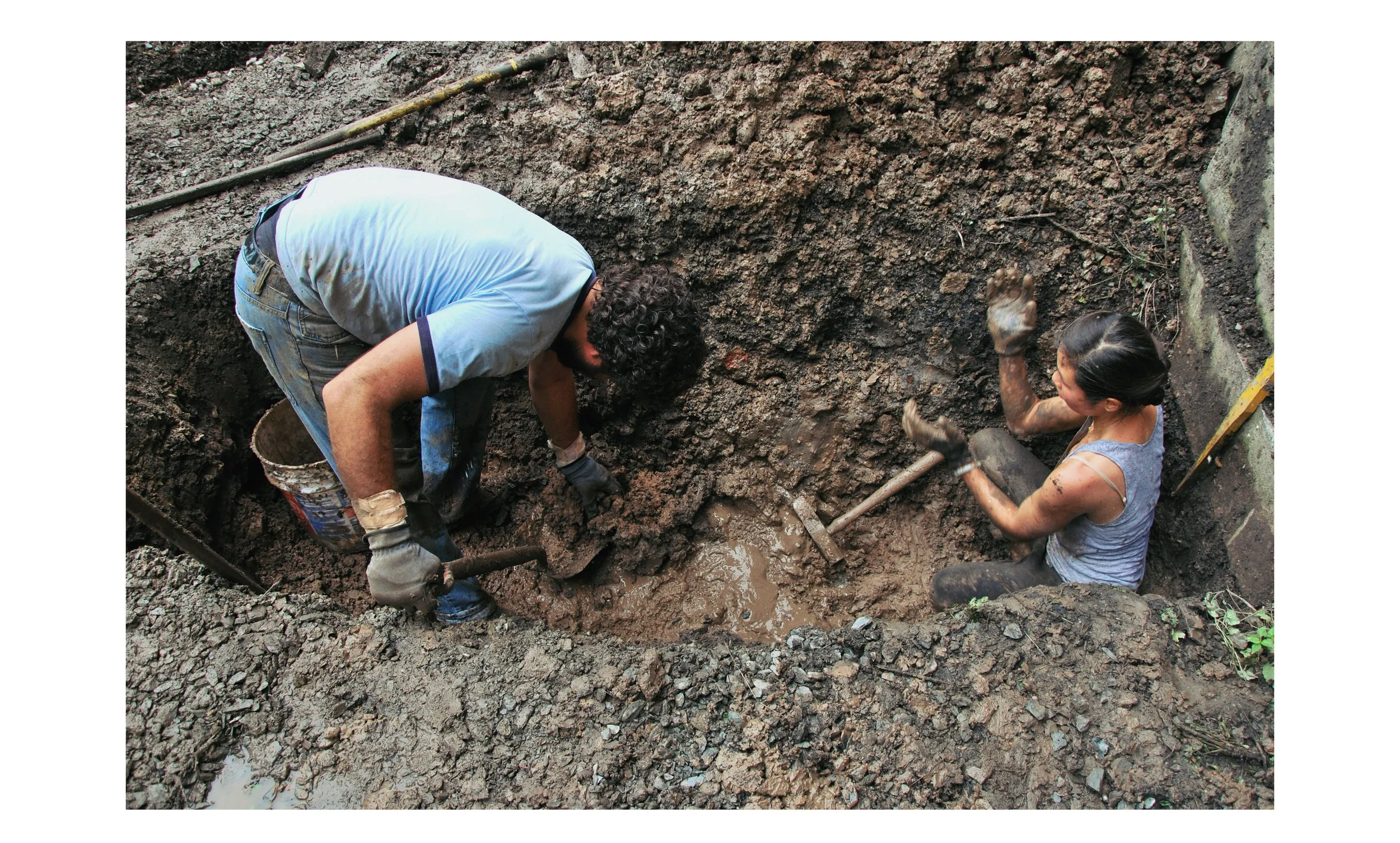
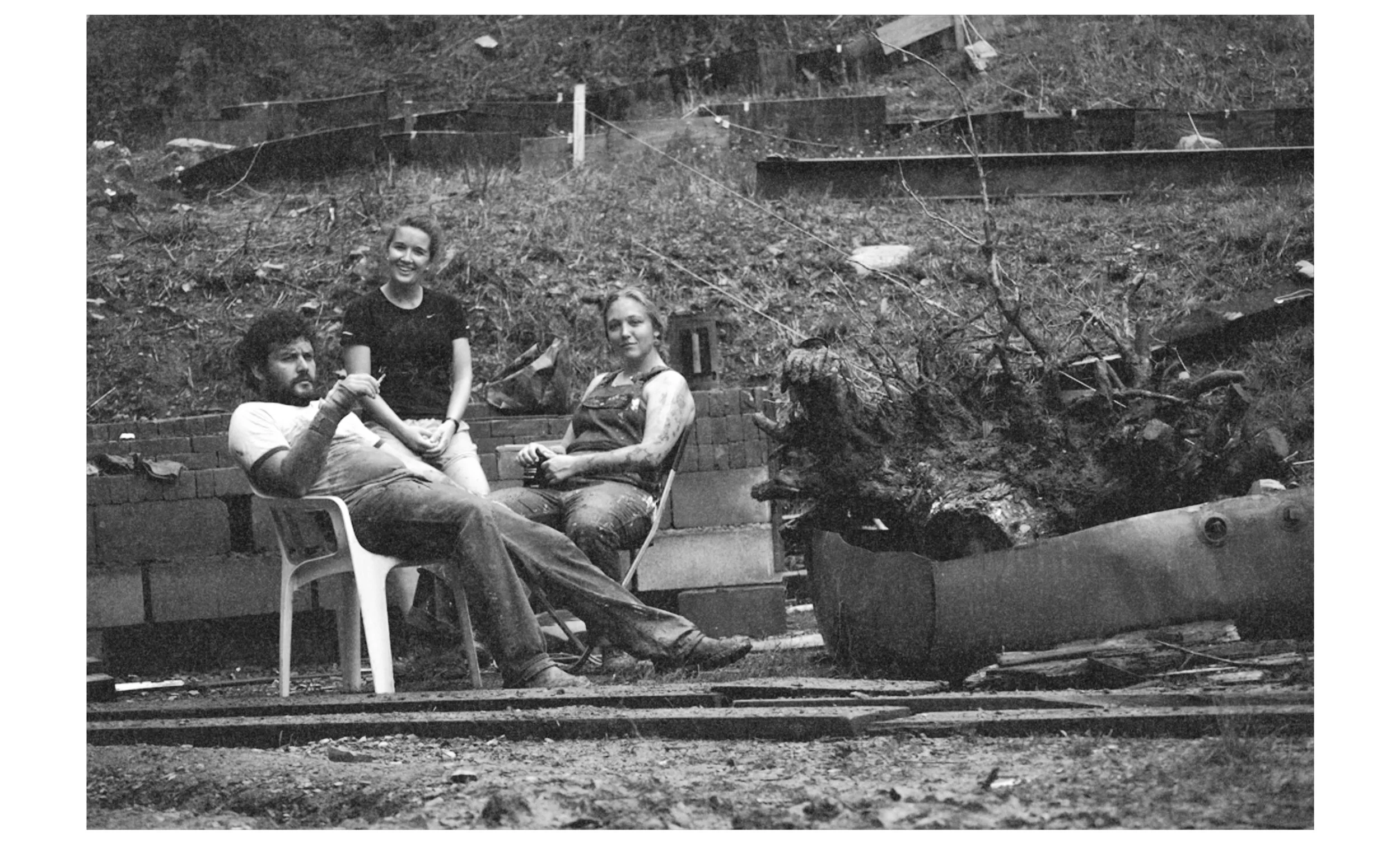
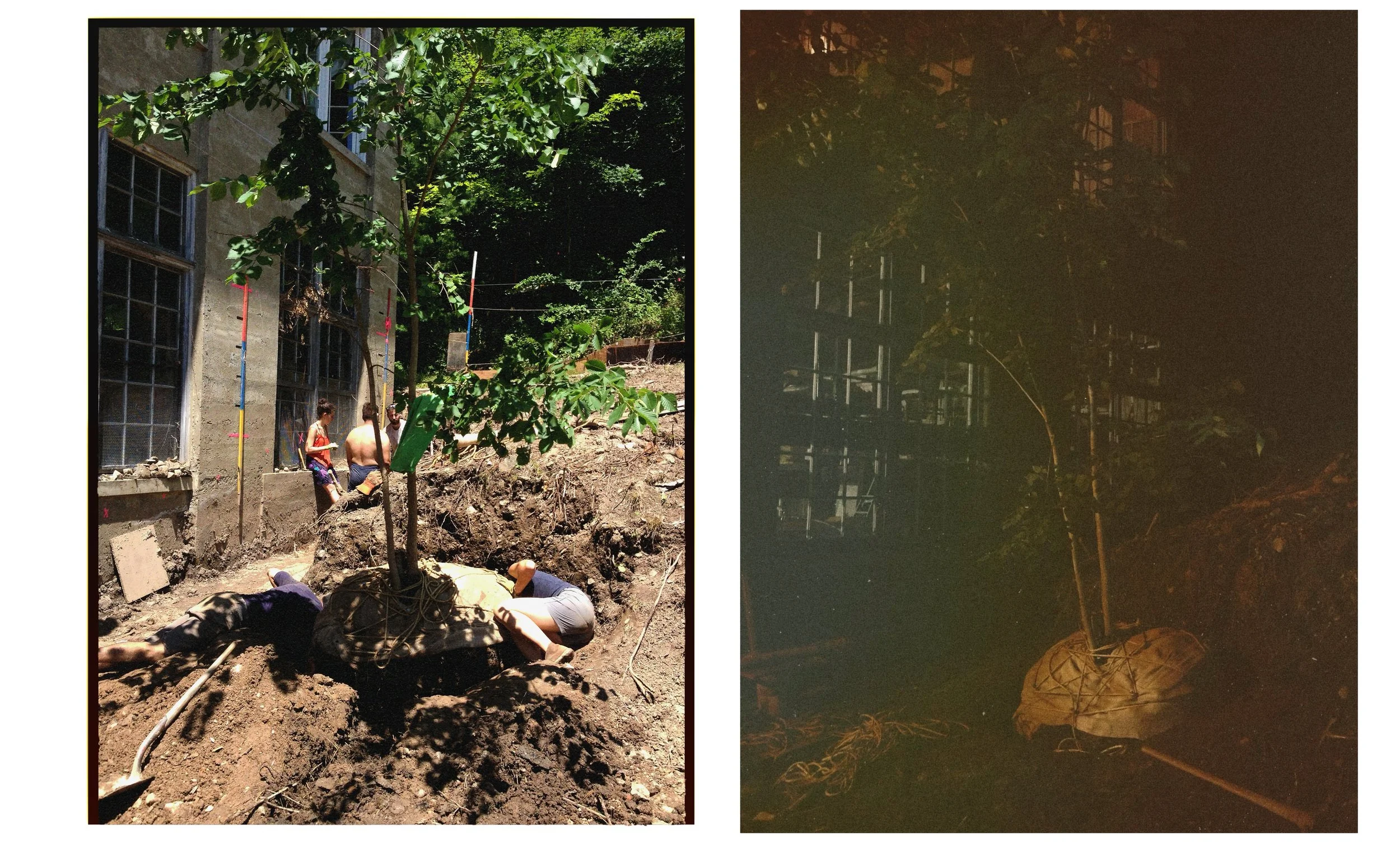
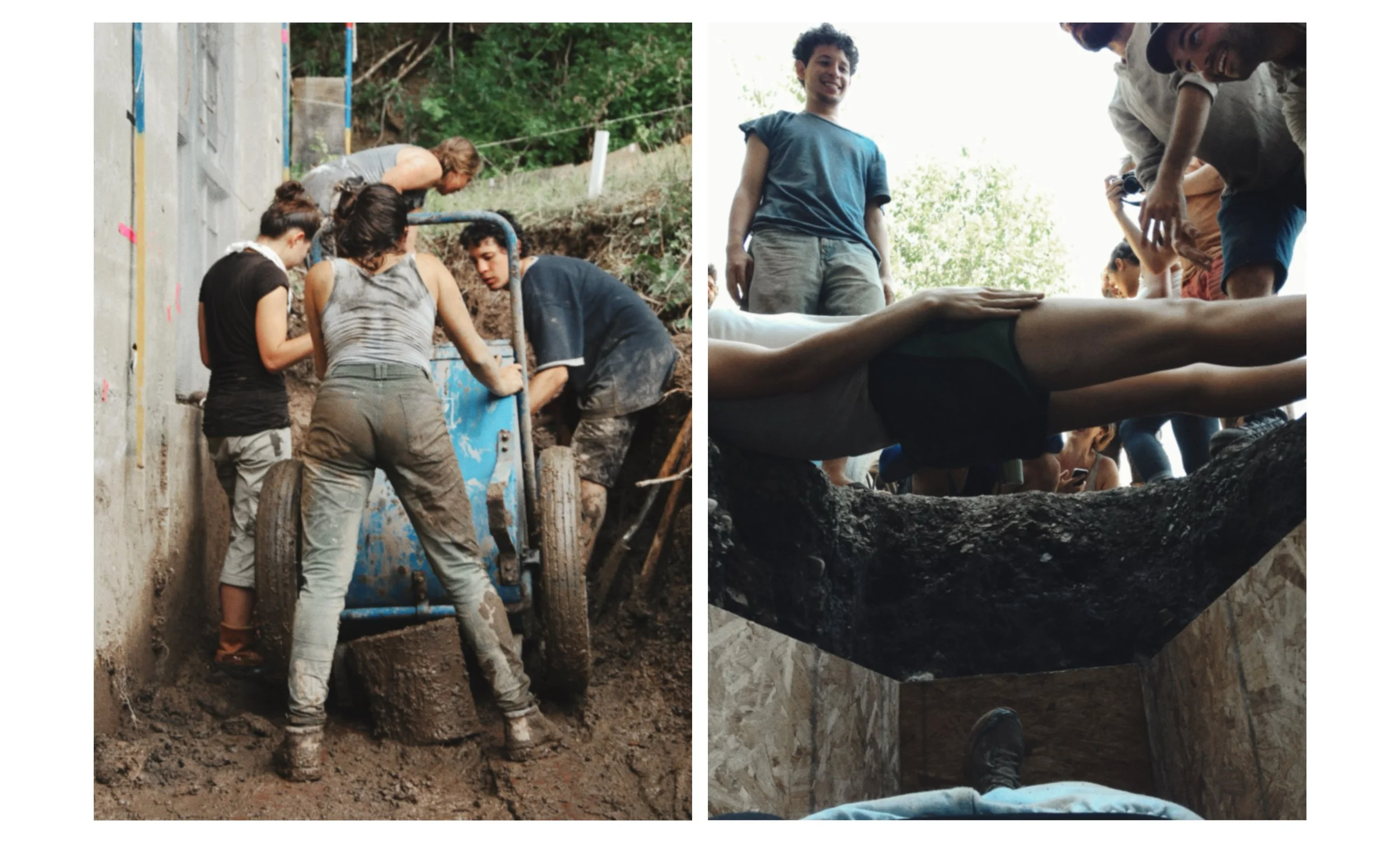
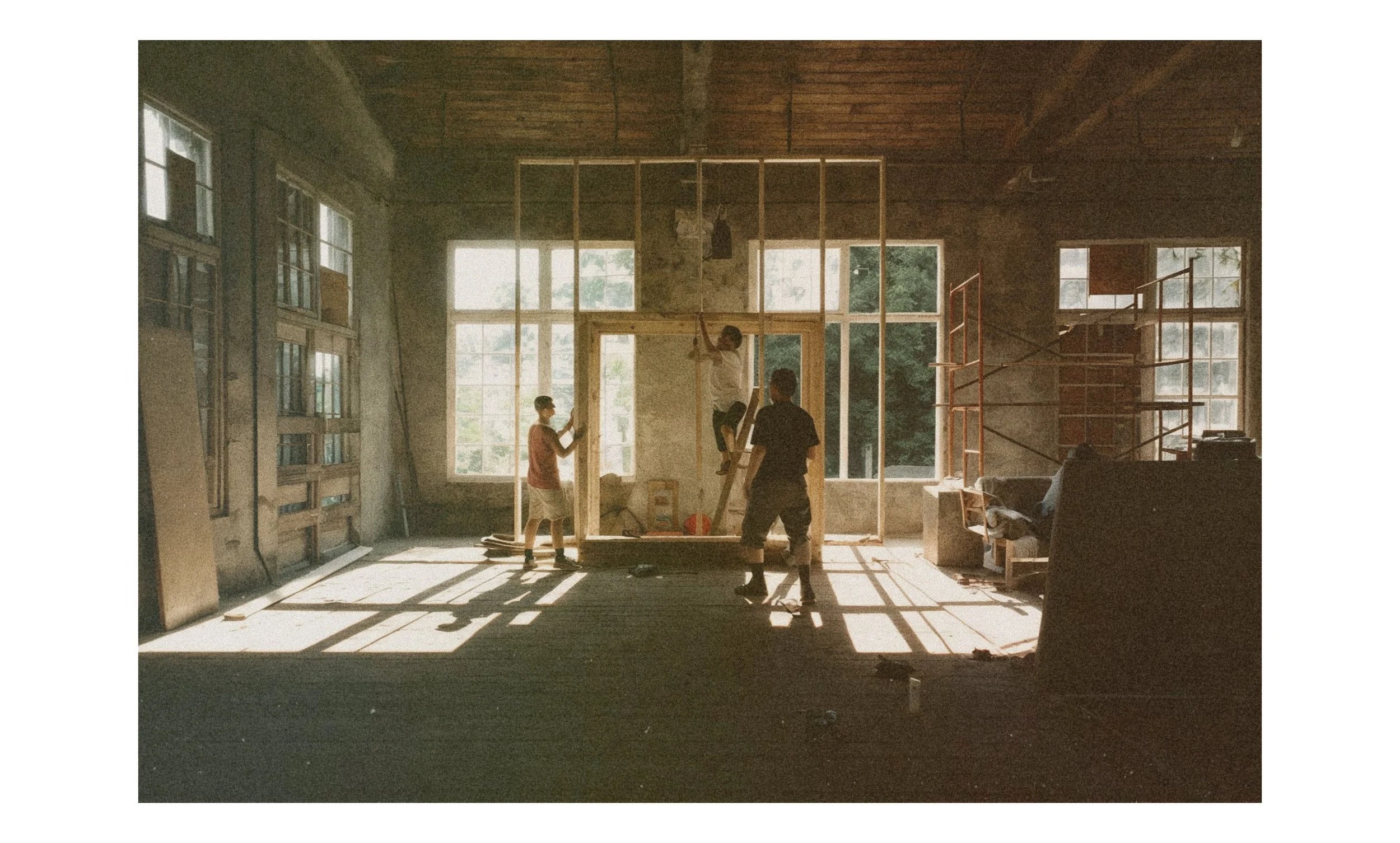
Arts Letters & Numbers could only have taken root in Averill Park through the sustained effort of countless people who volunteered their time and skills, especially in the early years. Converting the Mill was a collective undertaking, carried out by people who believed that they could make a place together and open it to others. They came to a vacant industrial building and took responsibility for the work in front of them, from clearing out what had accumulated and hauling material away to cleaning large areas of the warehouse, moving tools and supplies into place, and rebuilding parts of the interior so that people could work there. Bringing a space into use meant judging what could be salvaged, what had to be dismantled, and how to organize the work with the people and resources available. Much of that effort came before there was a regular program to draw anyone to the building.
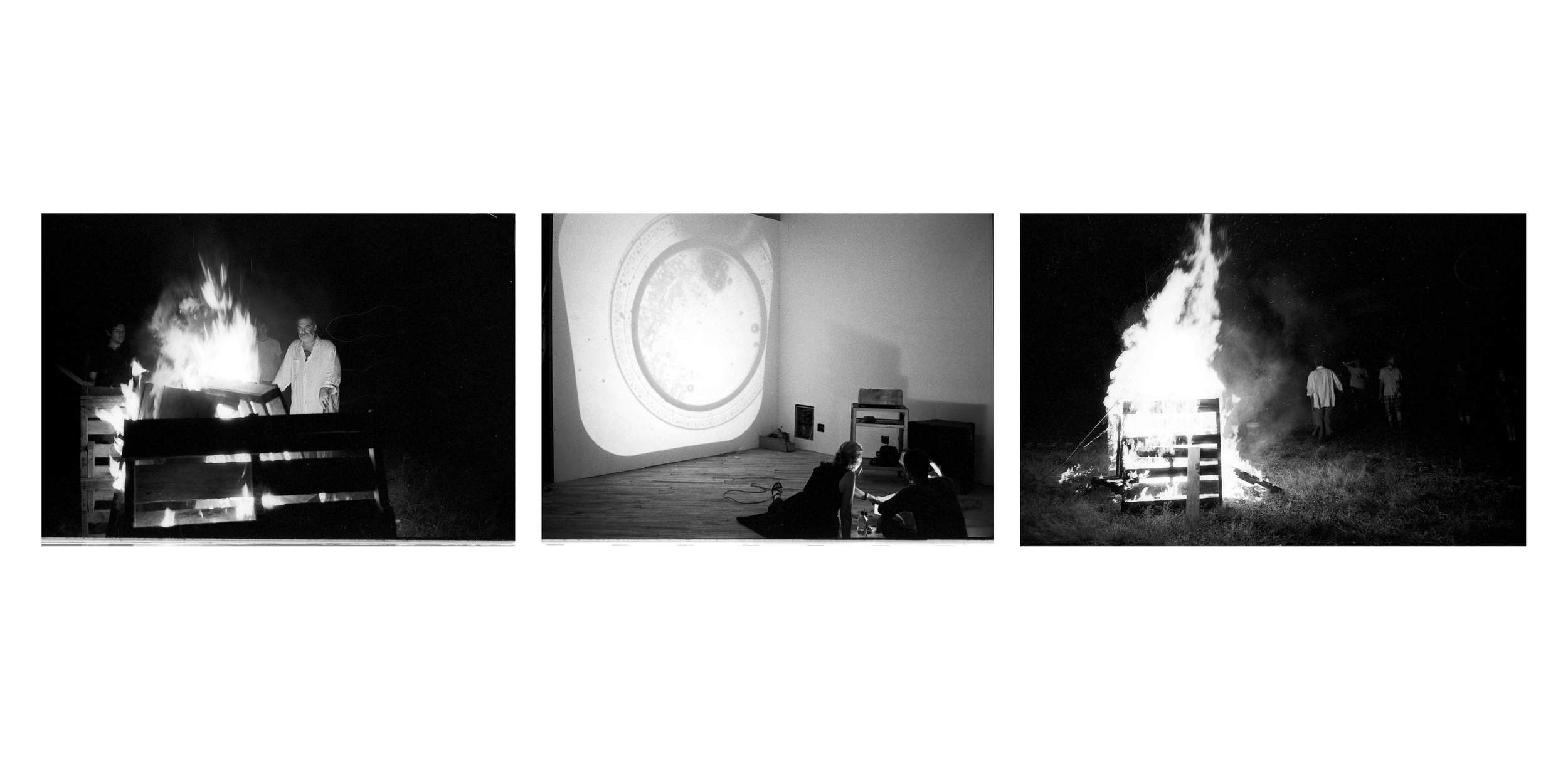
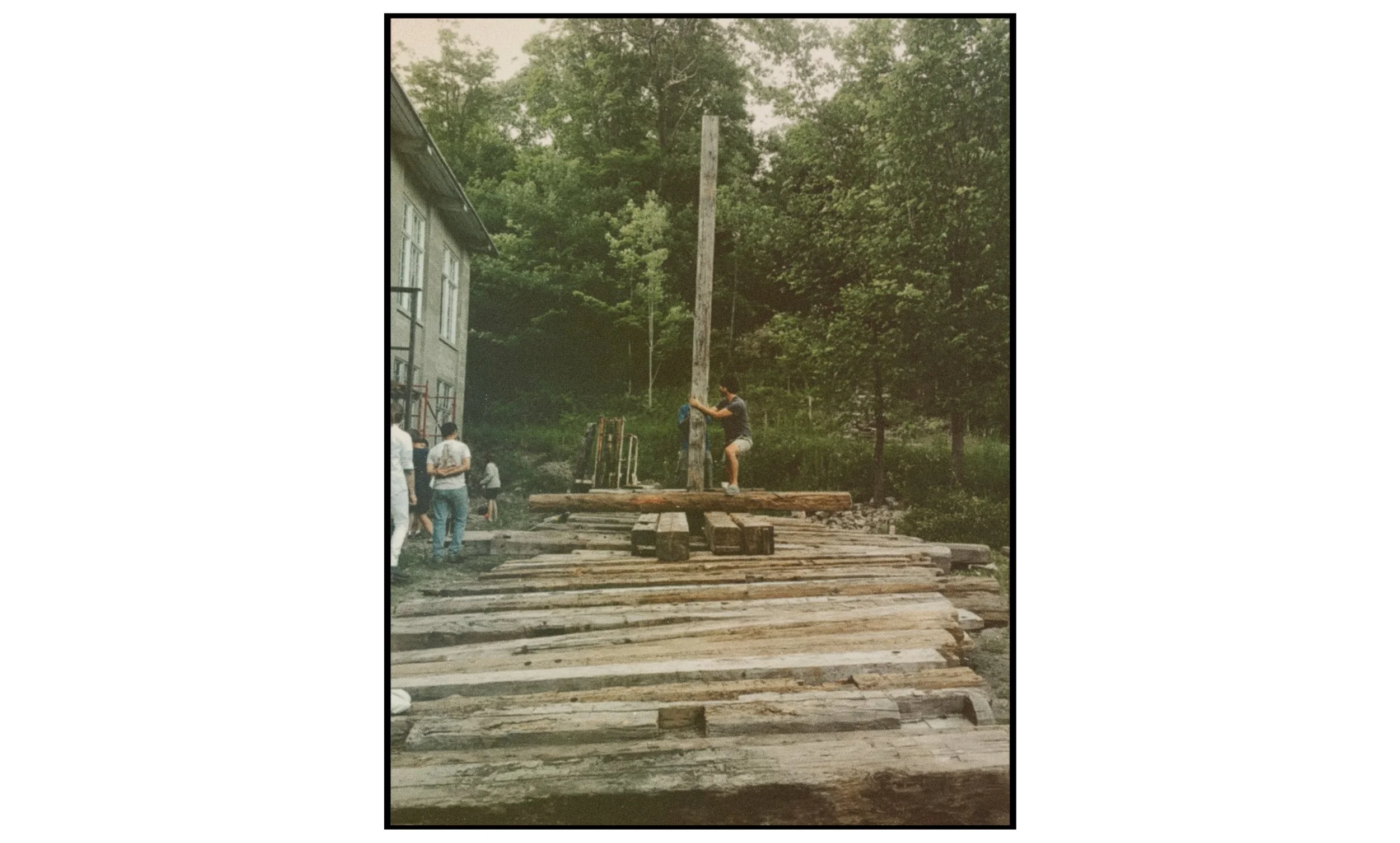
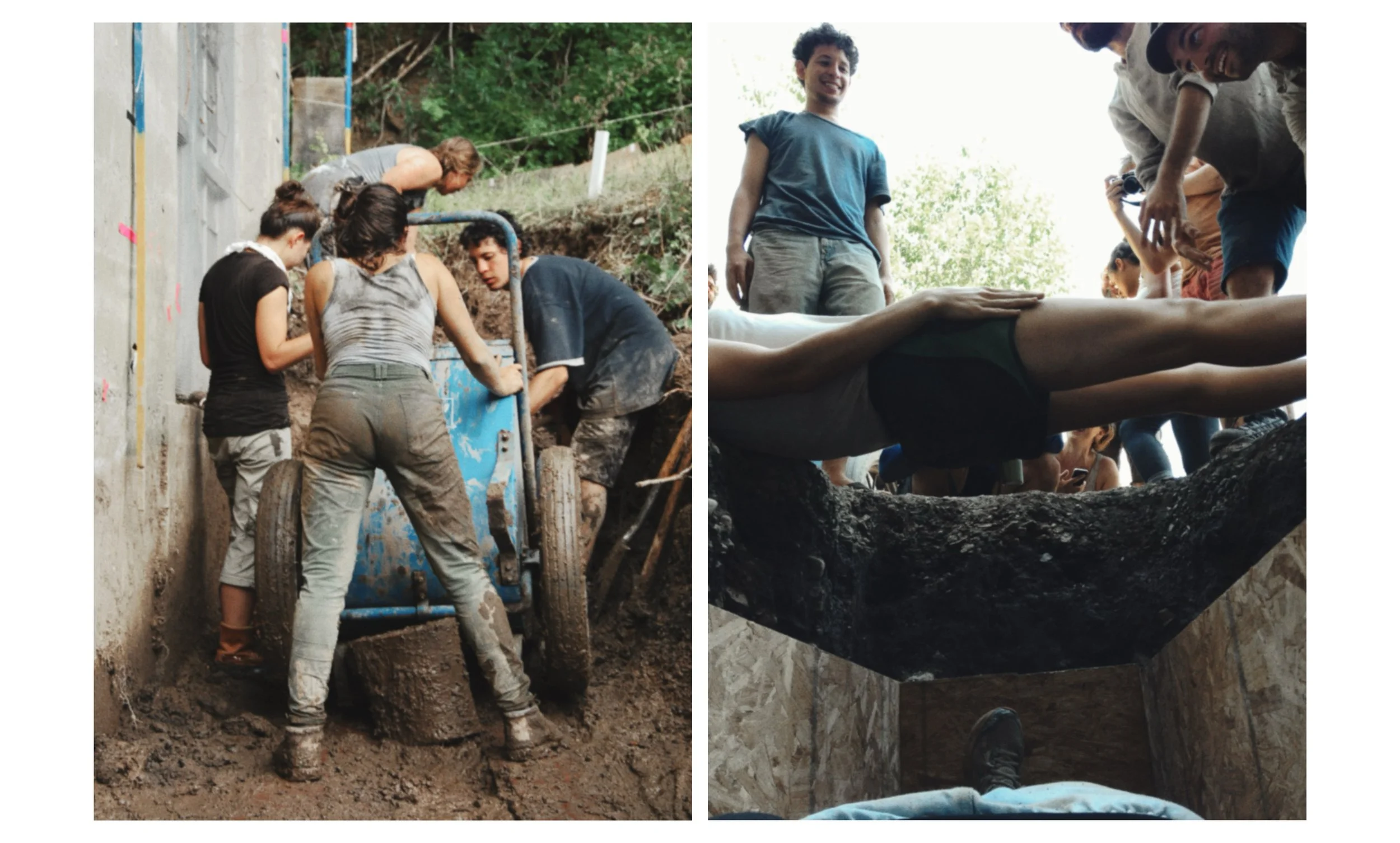
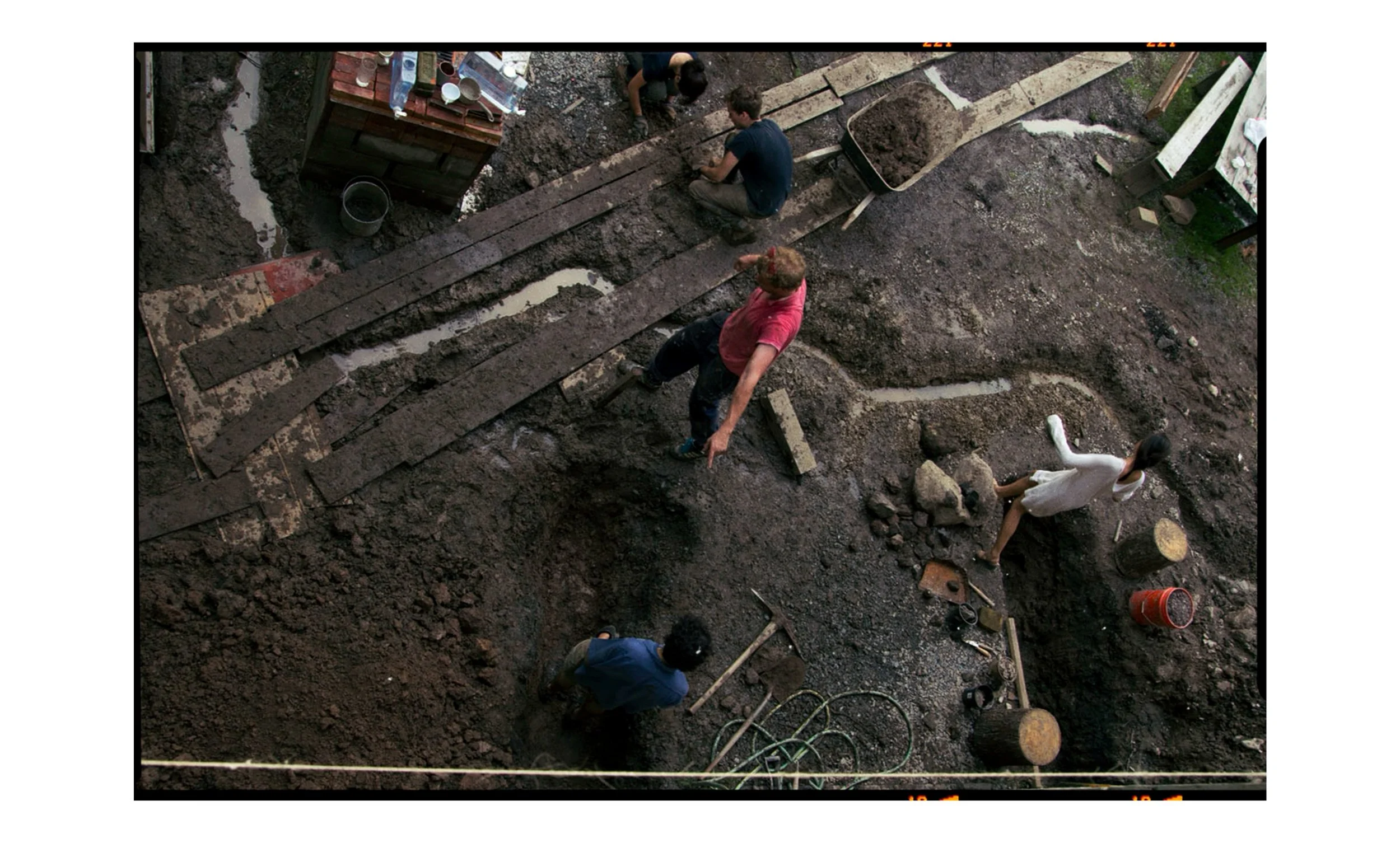
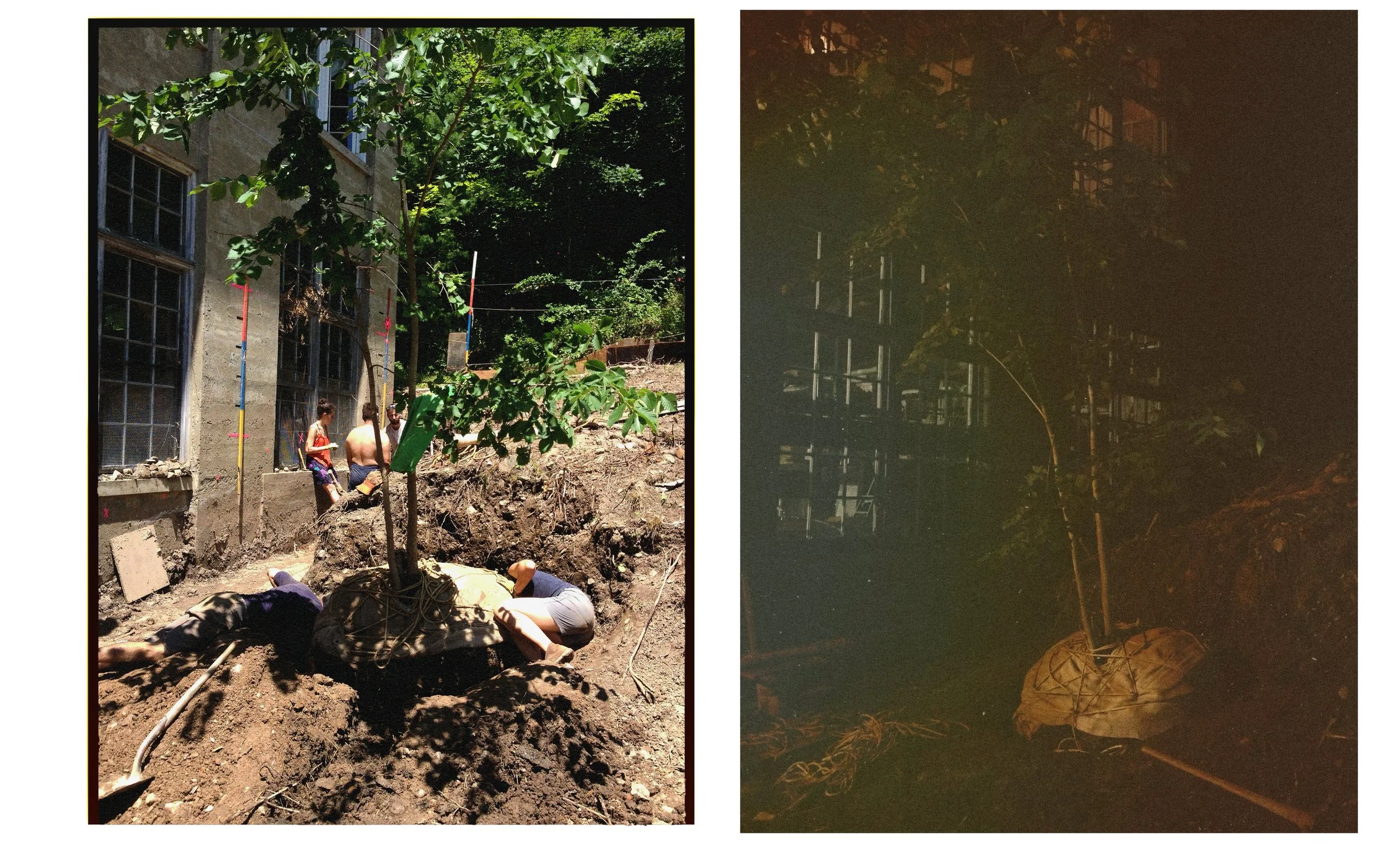
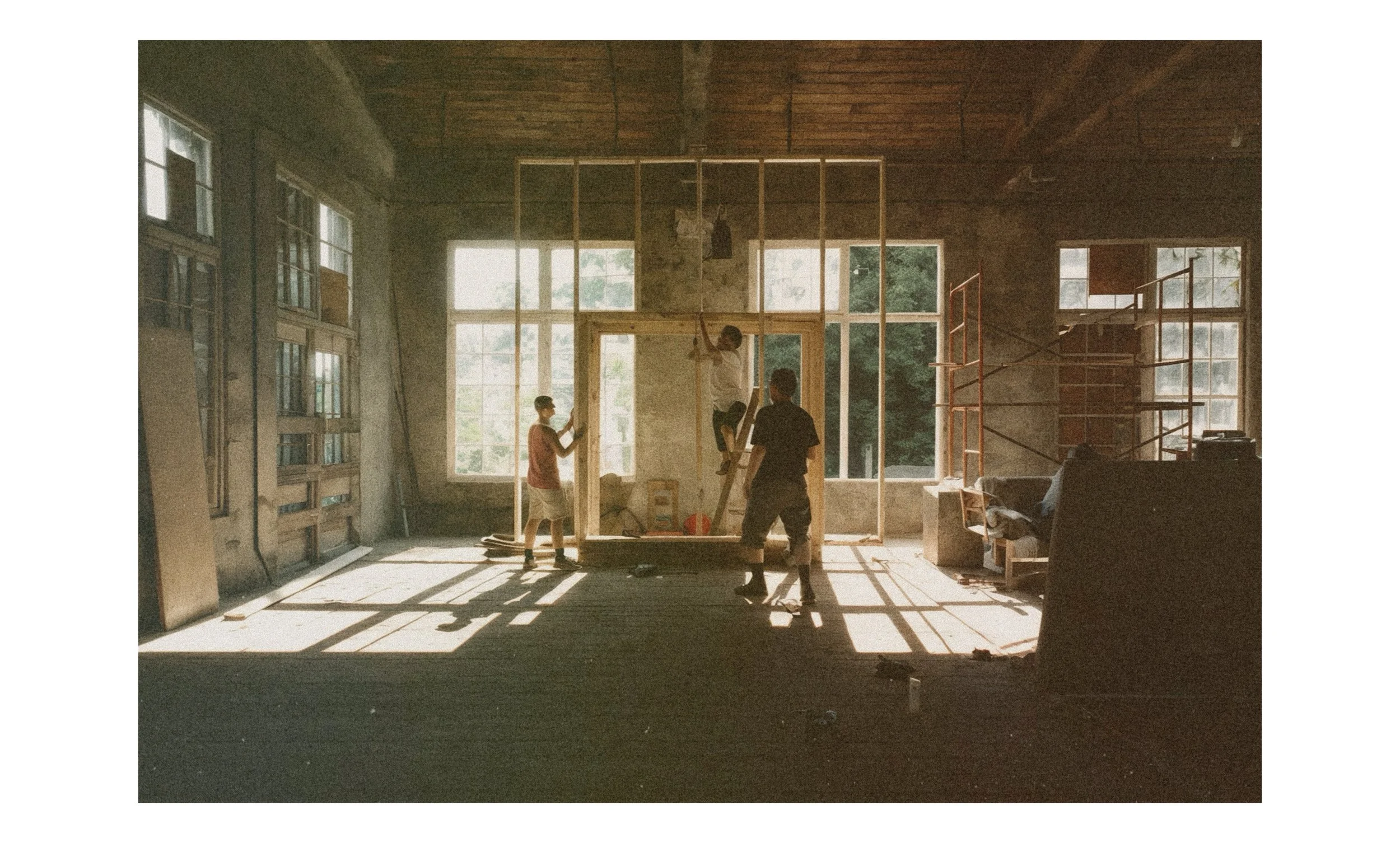
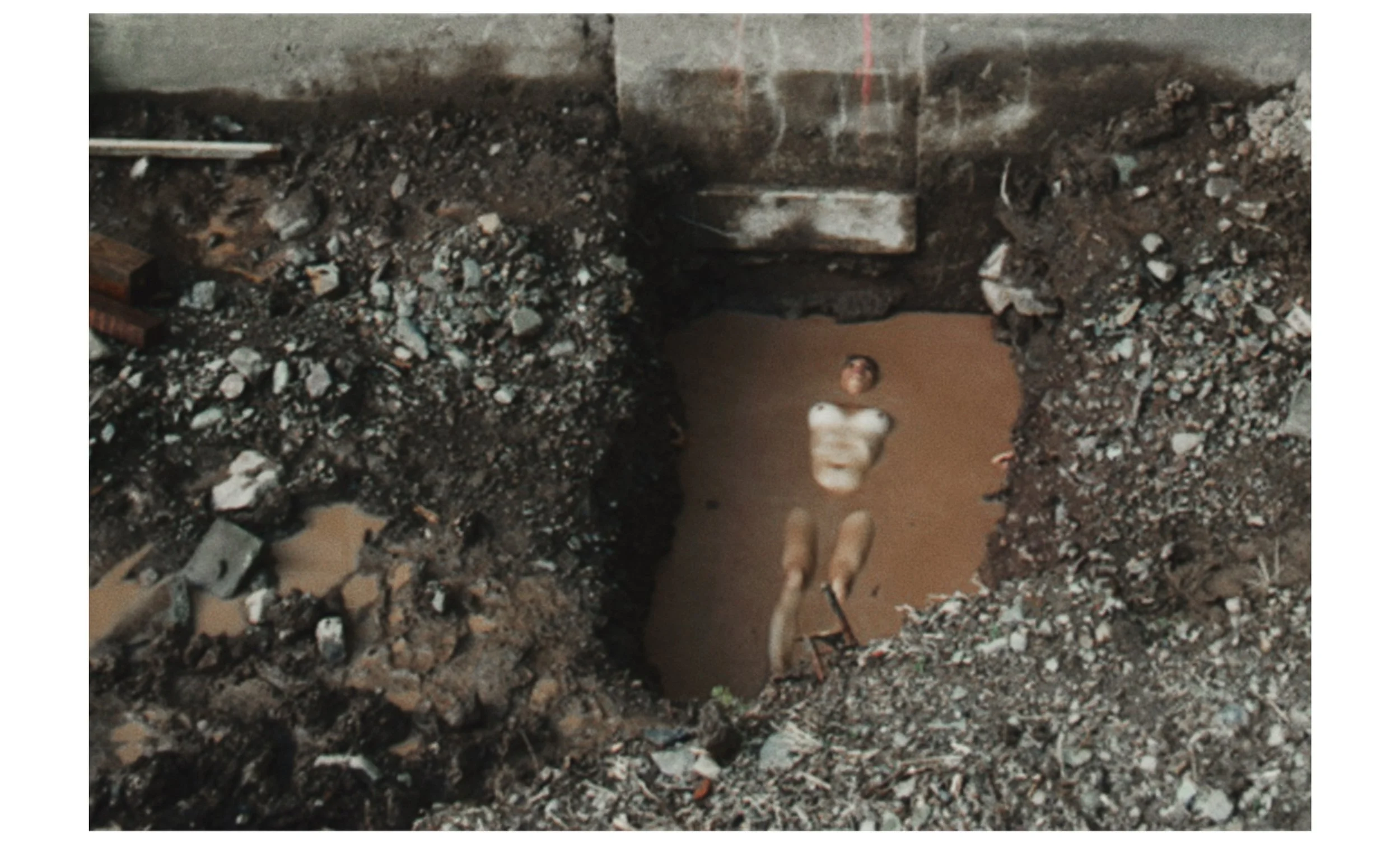
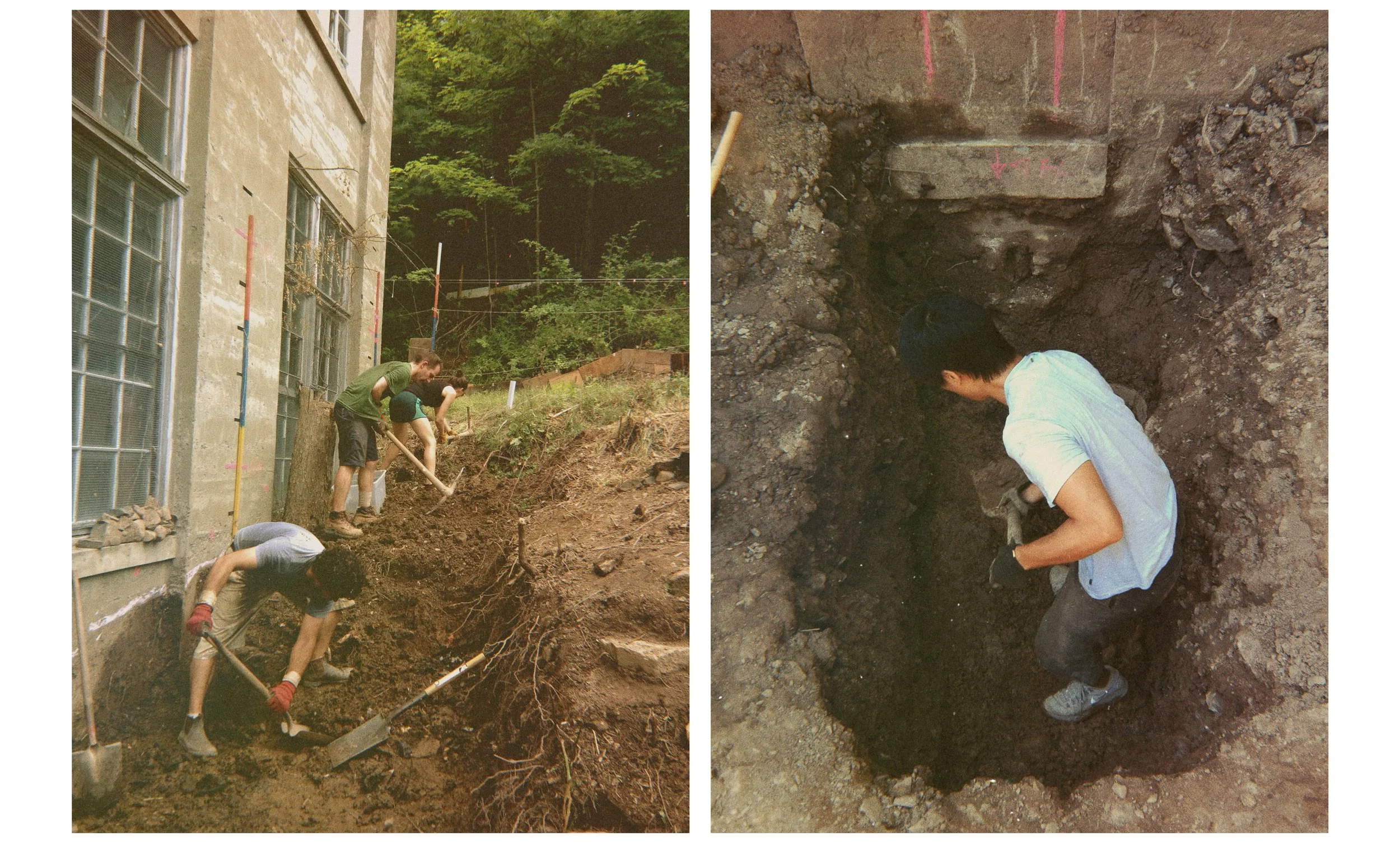
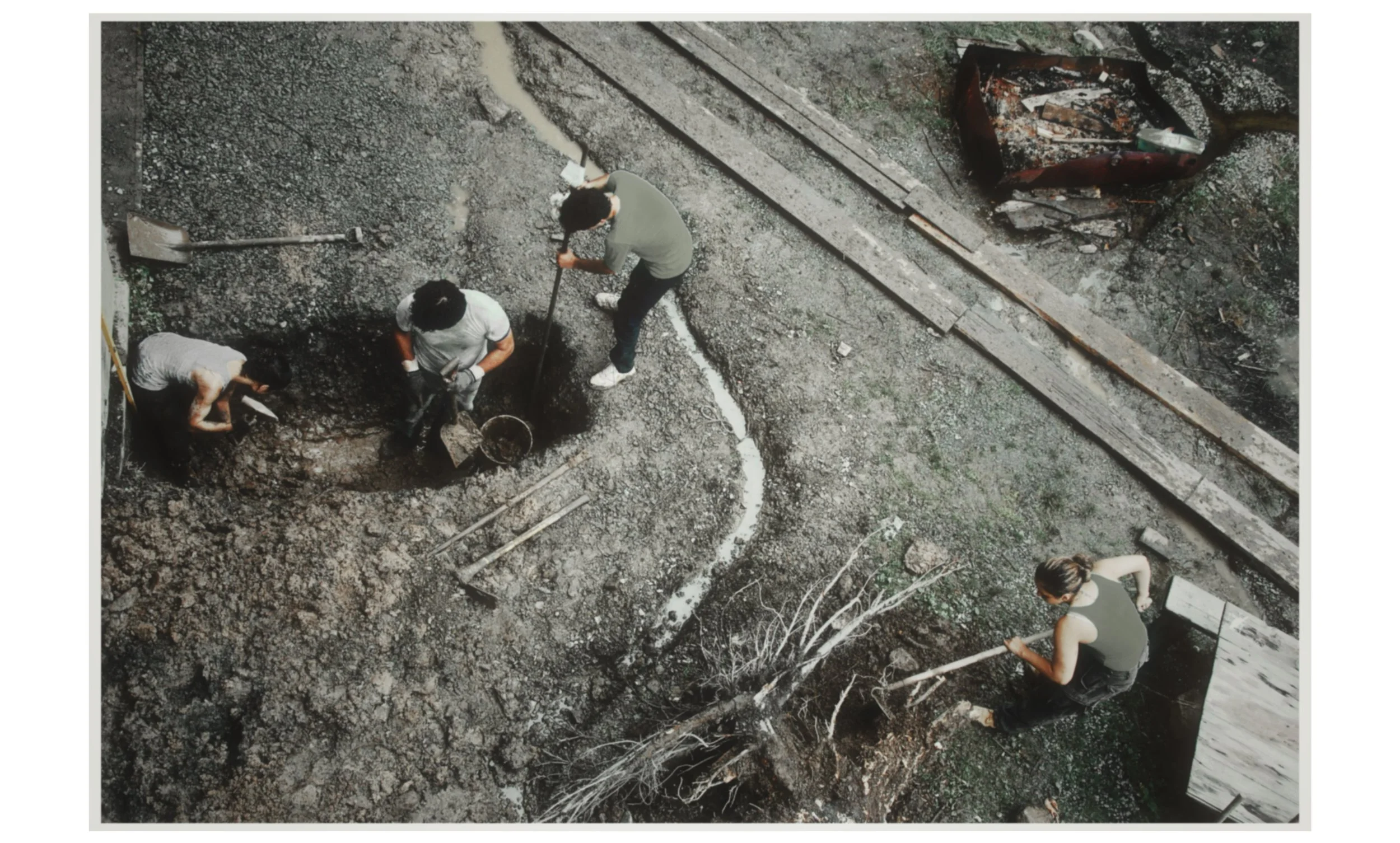
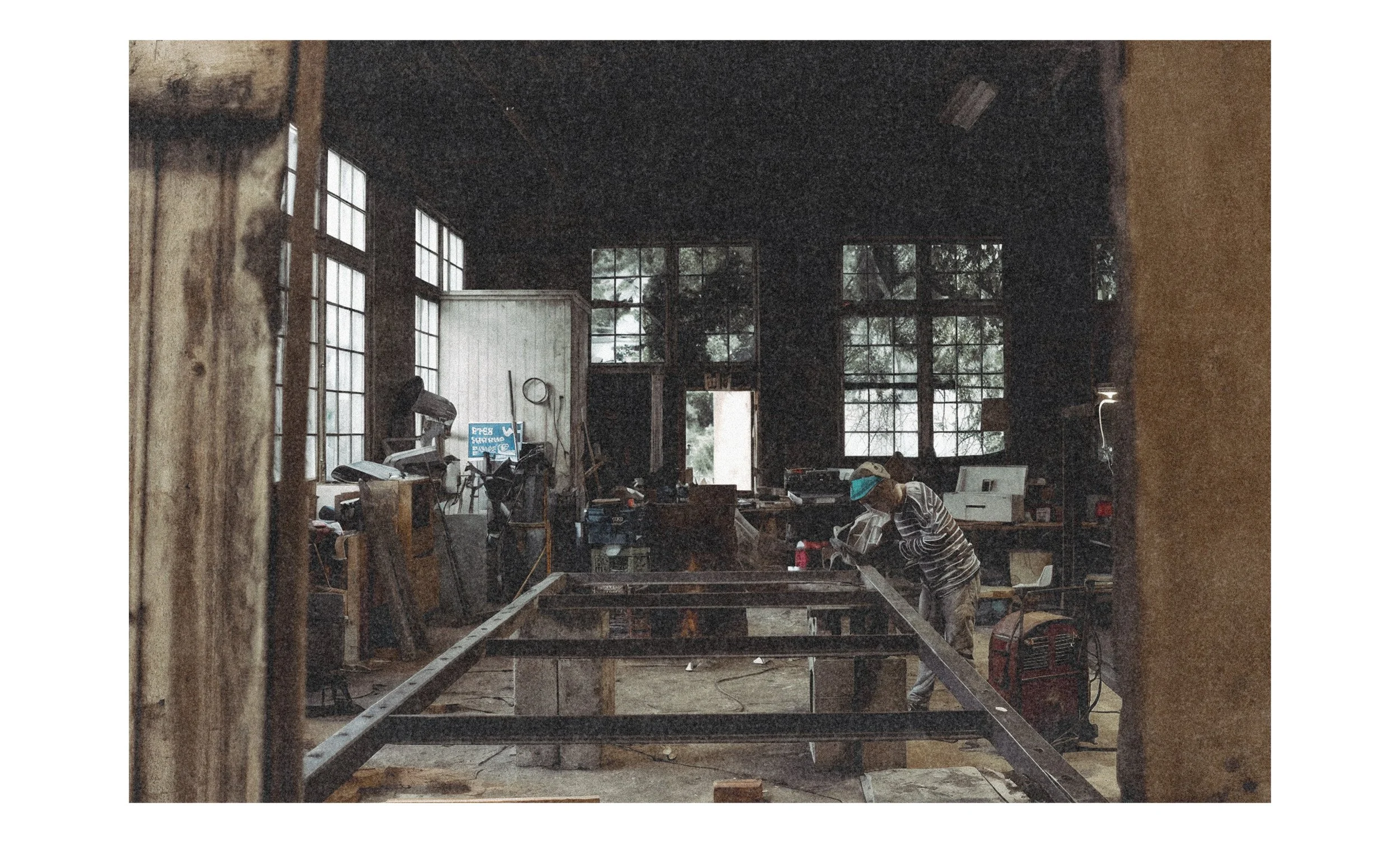
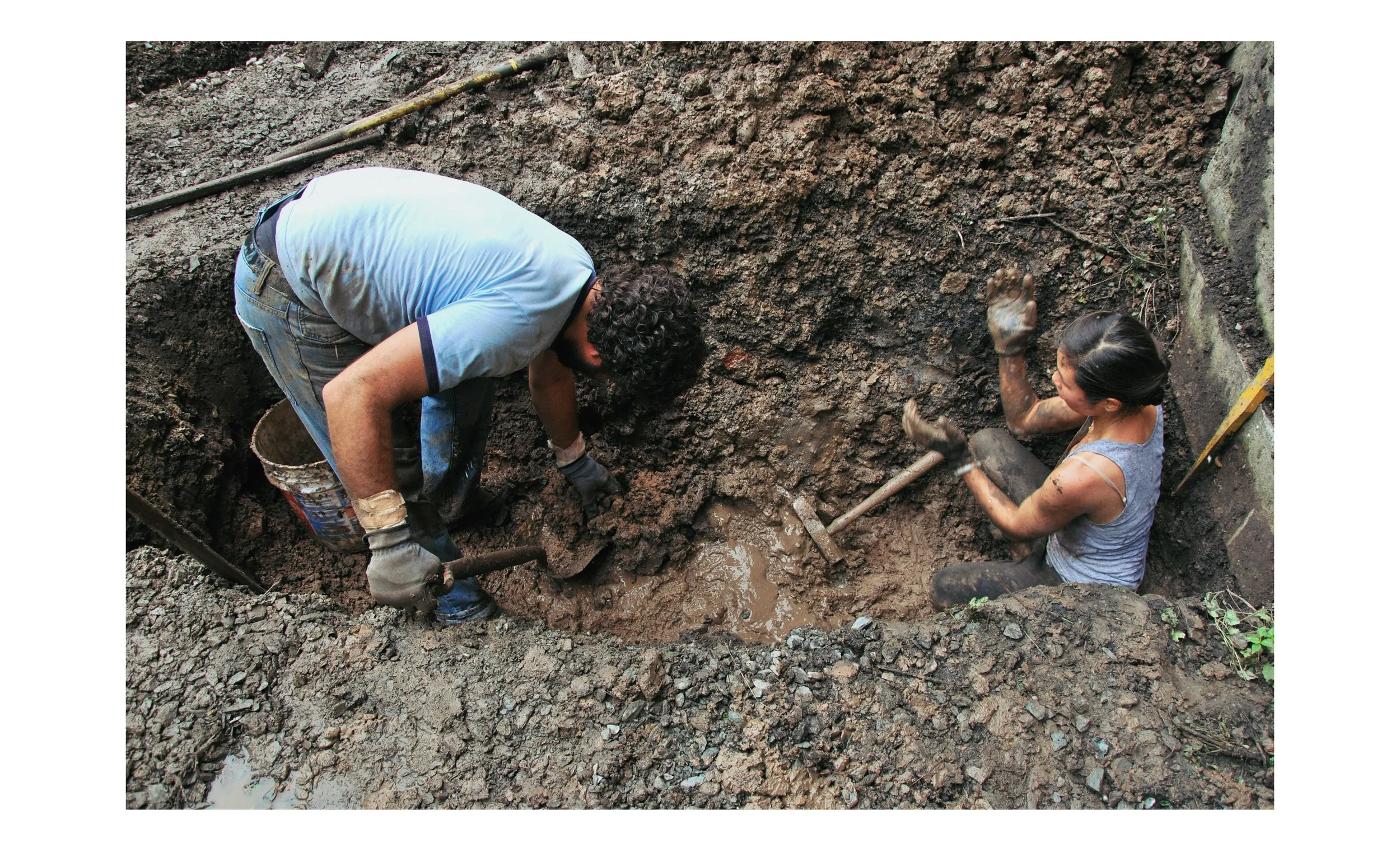
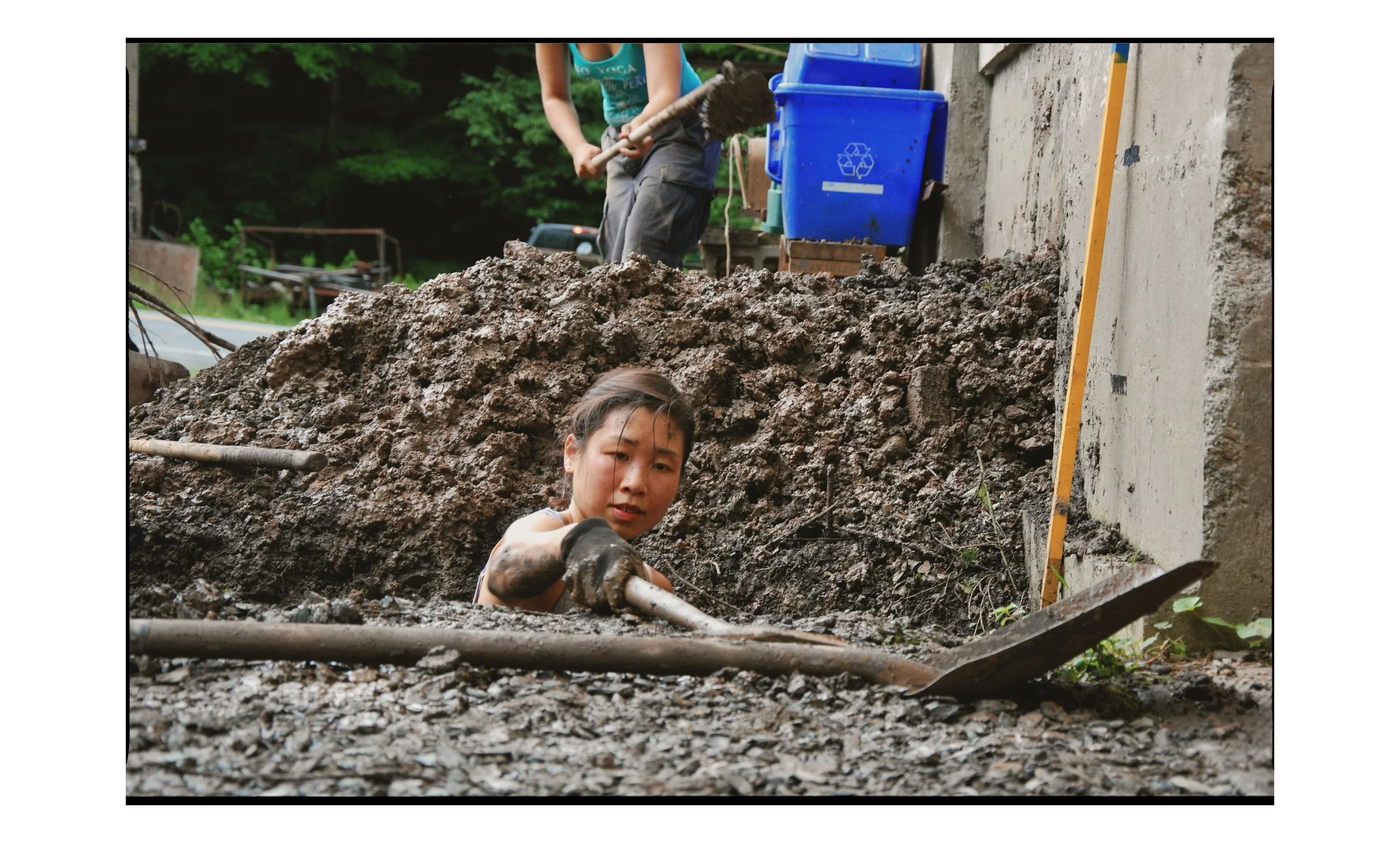
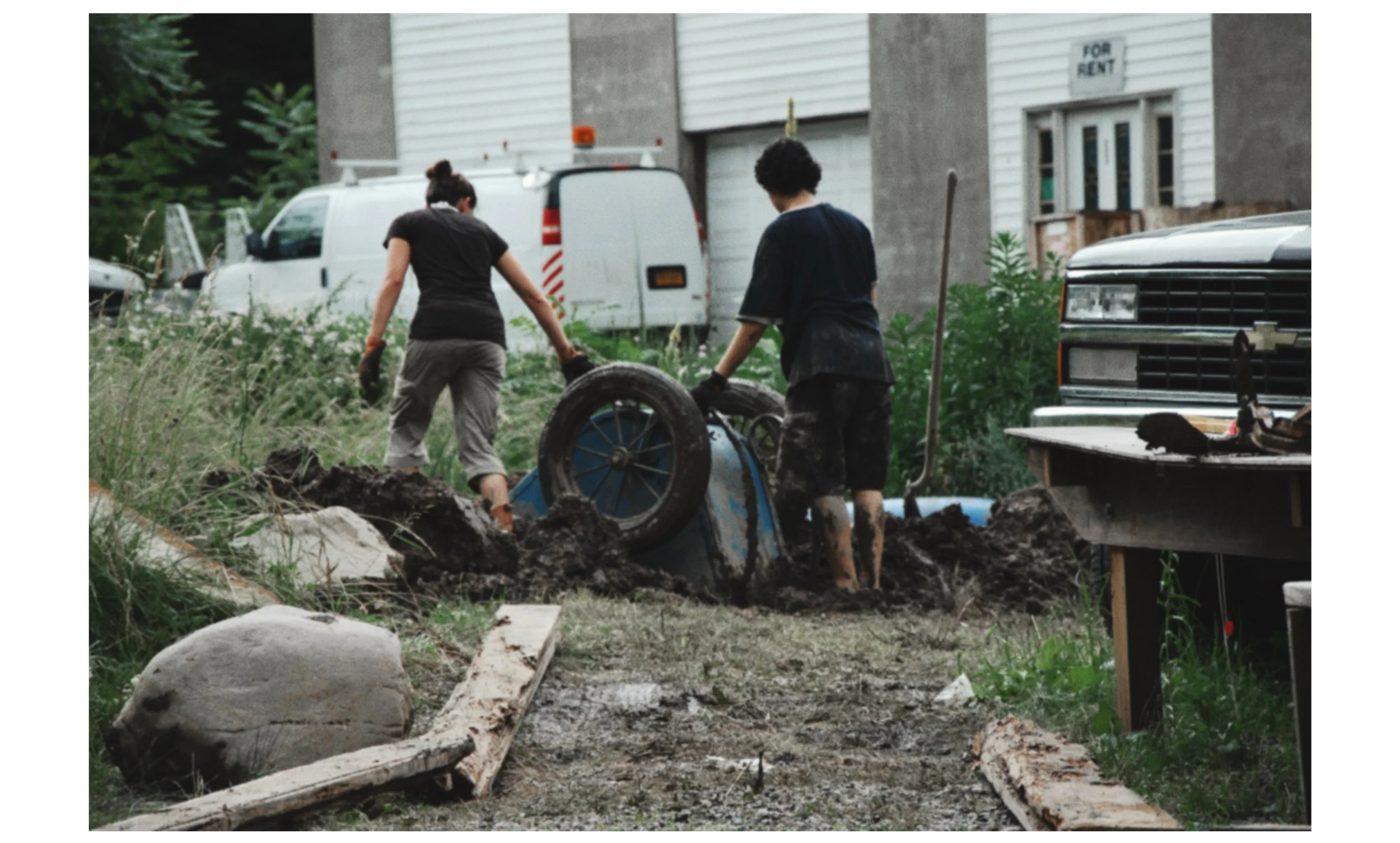
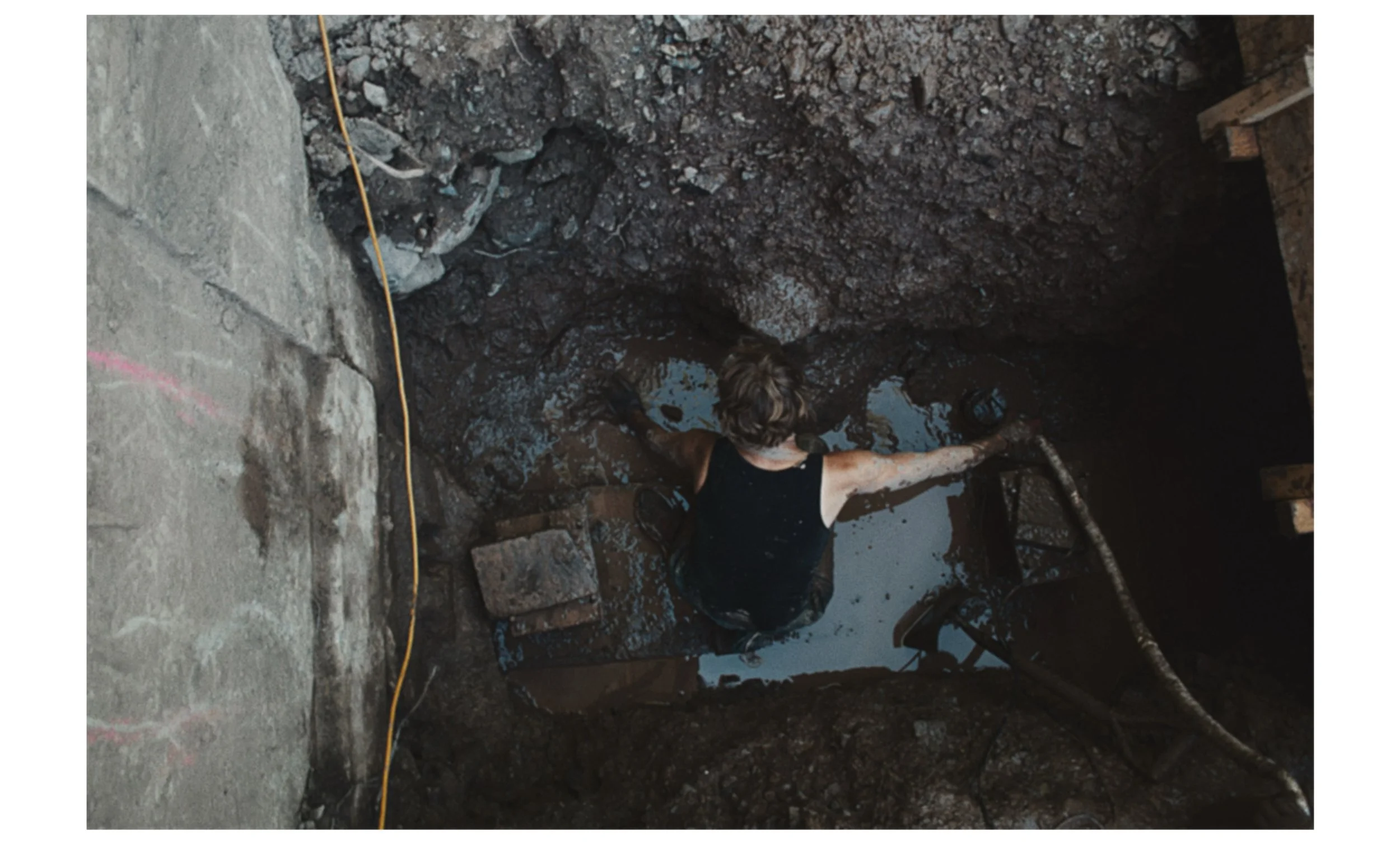
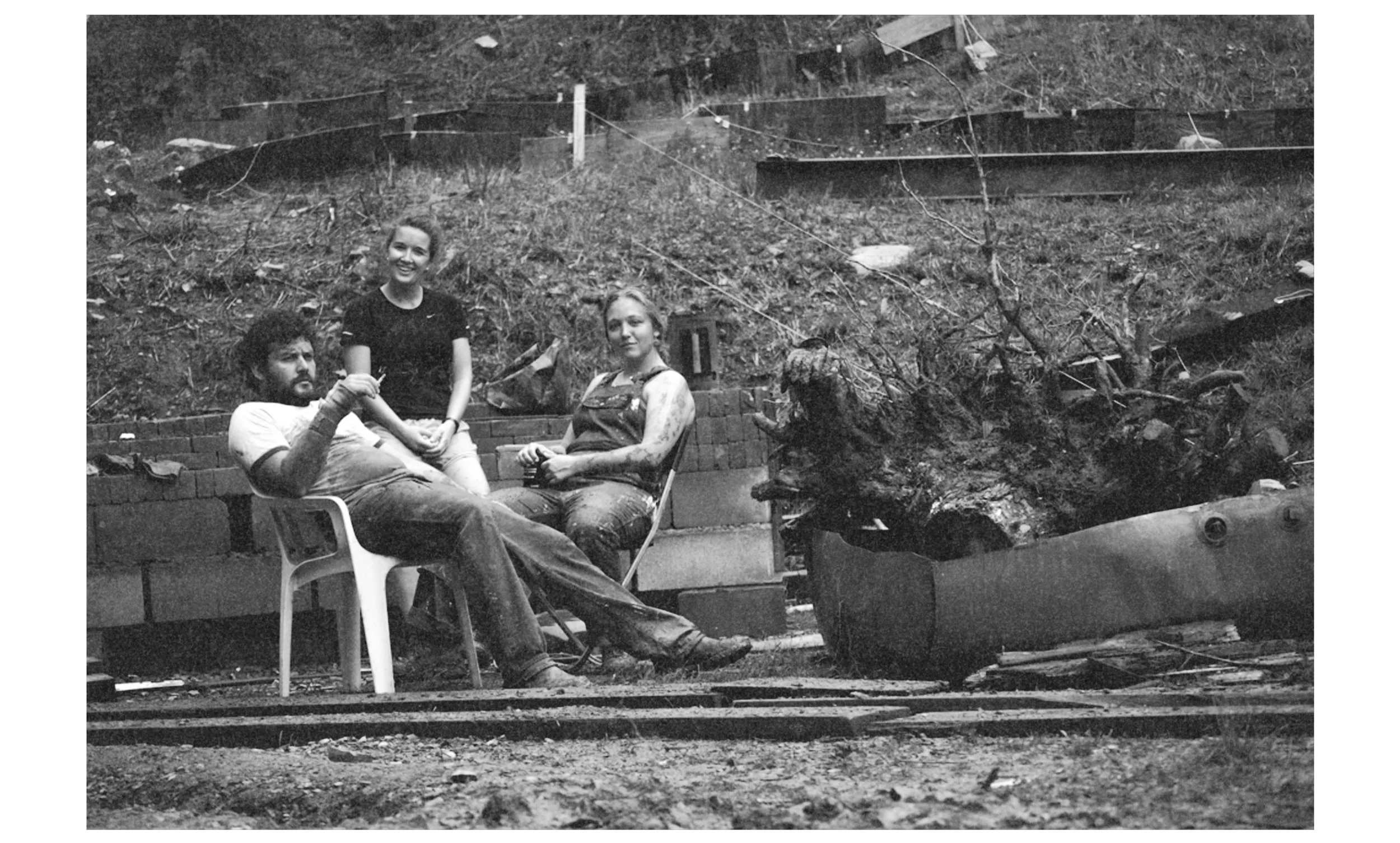
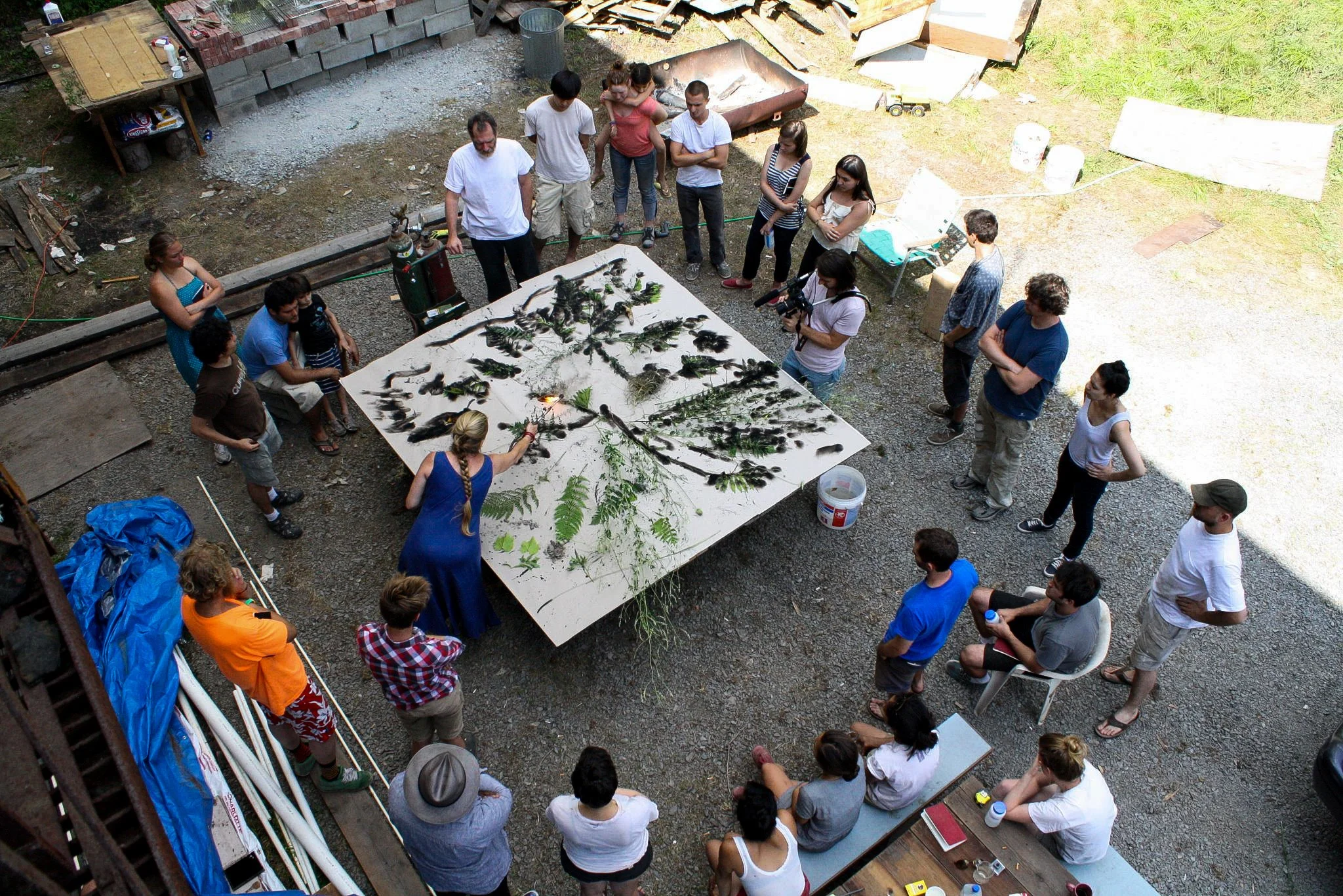
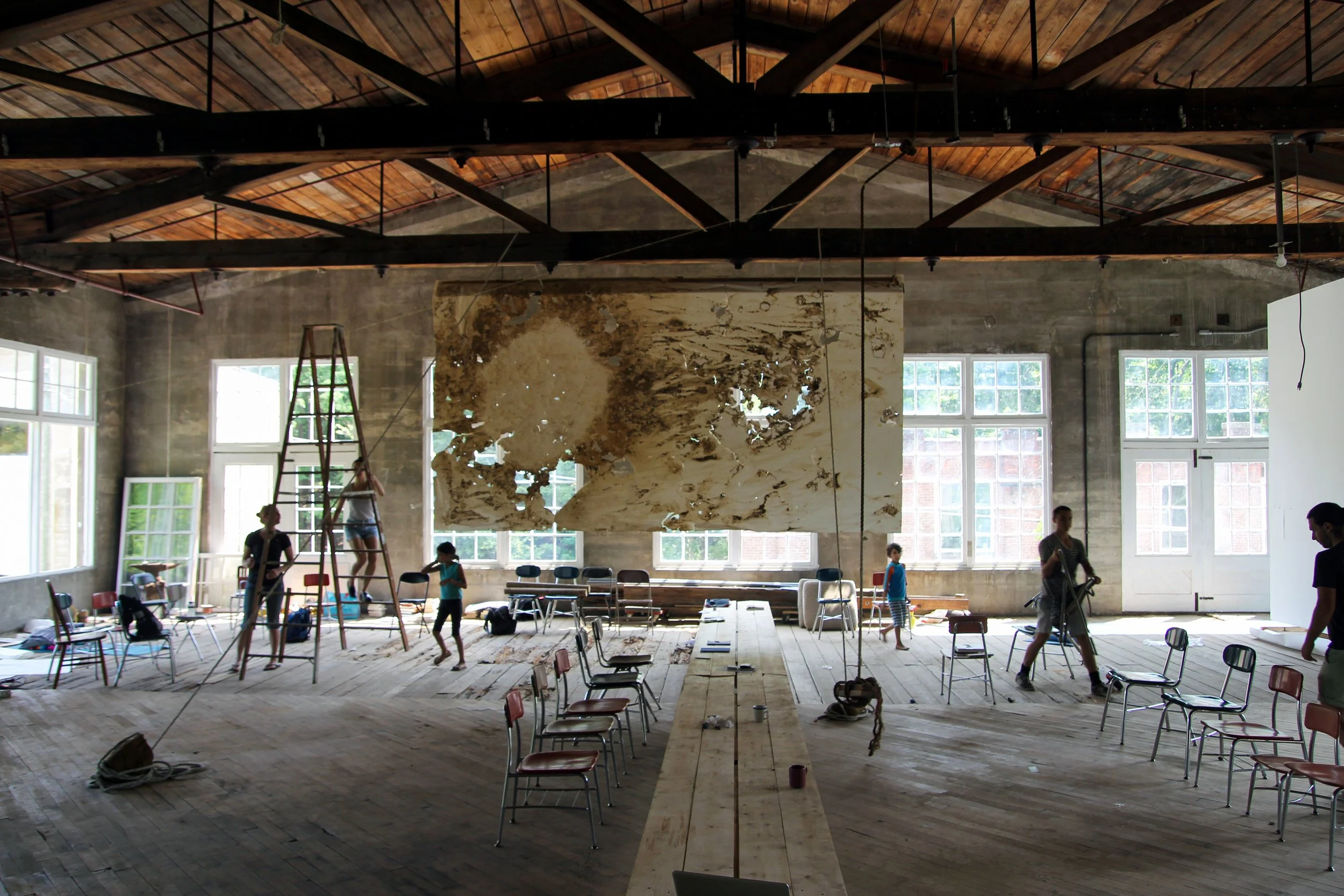
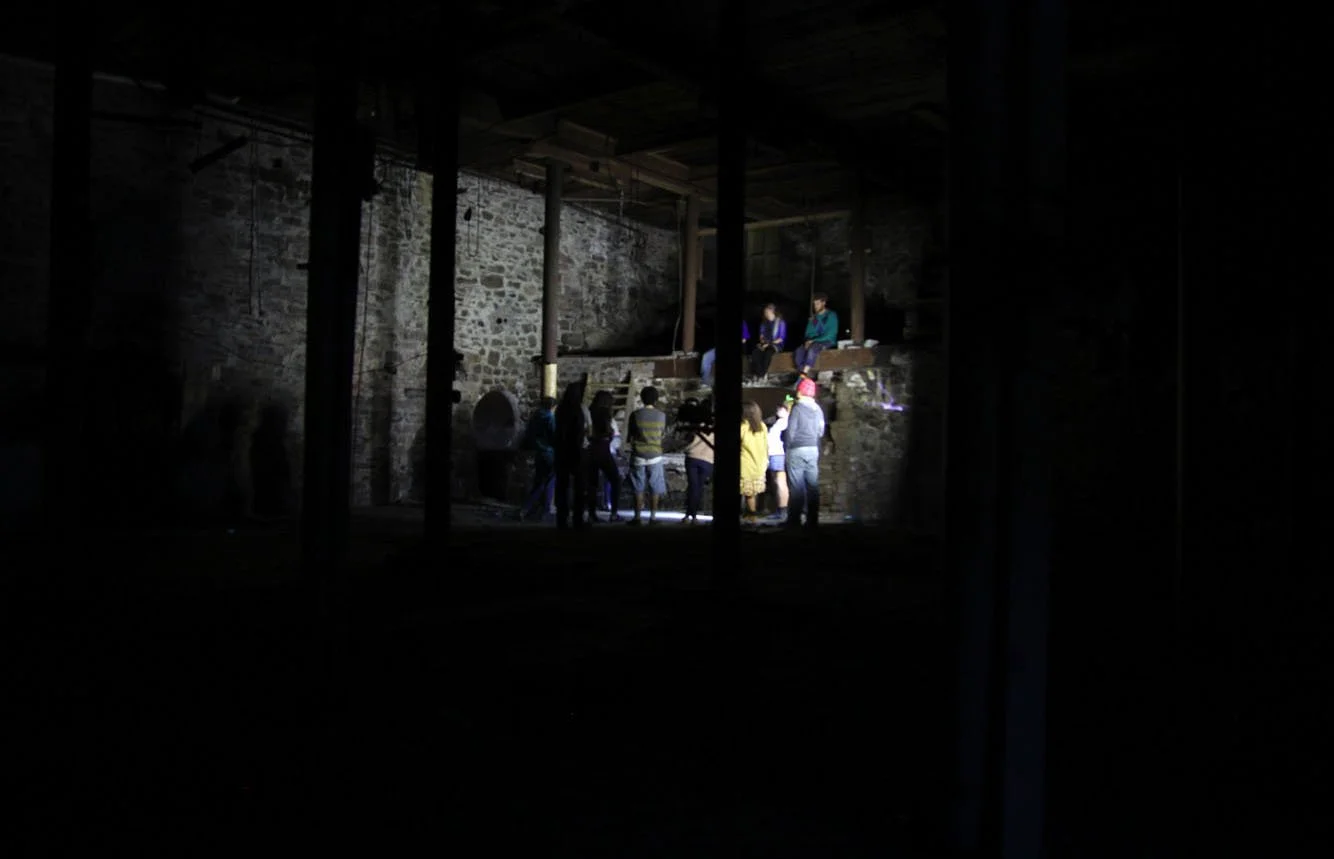
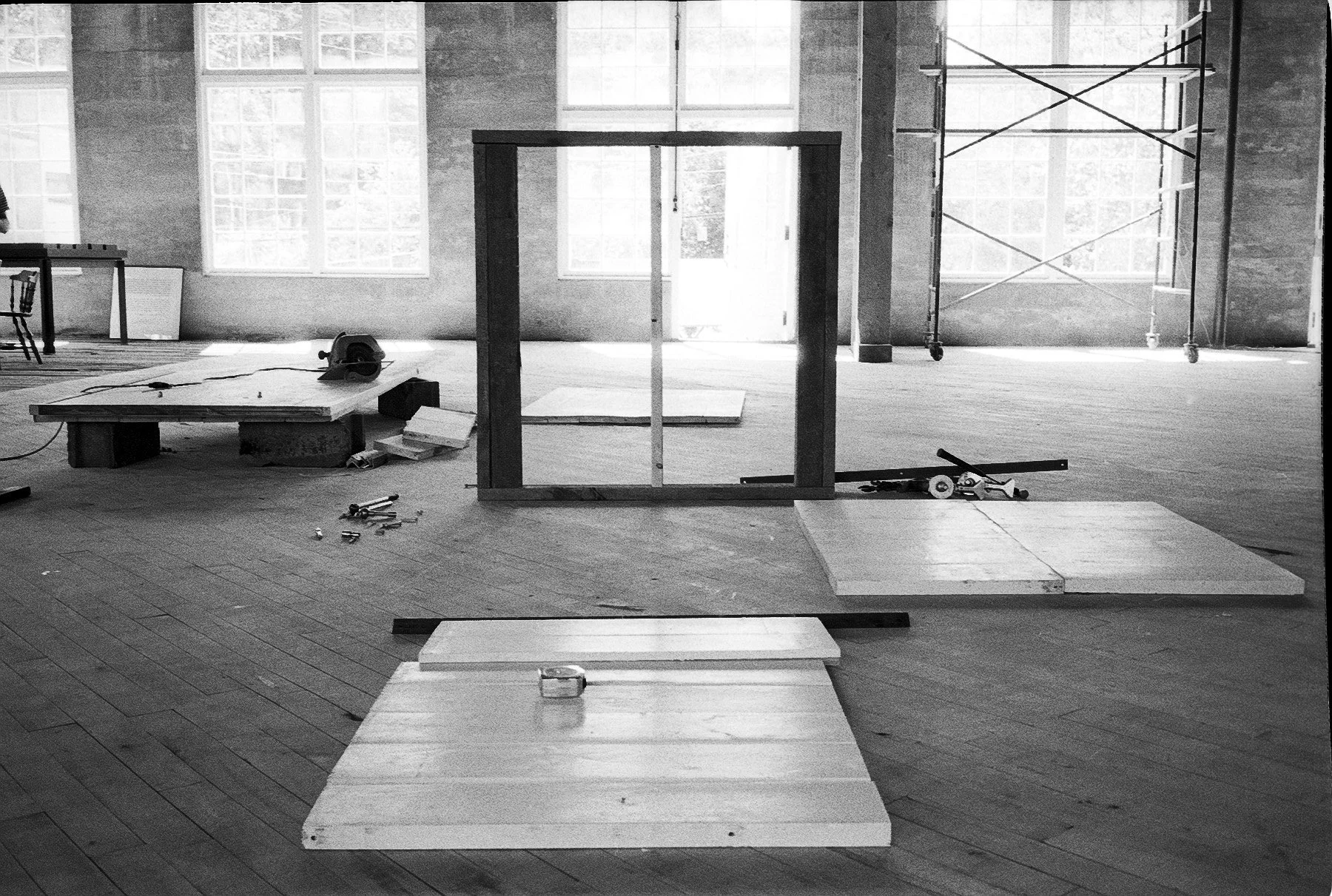
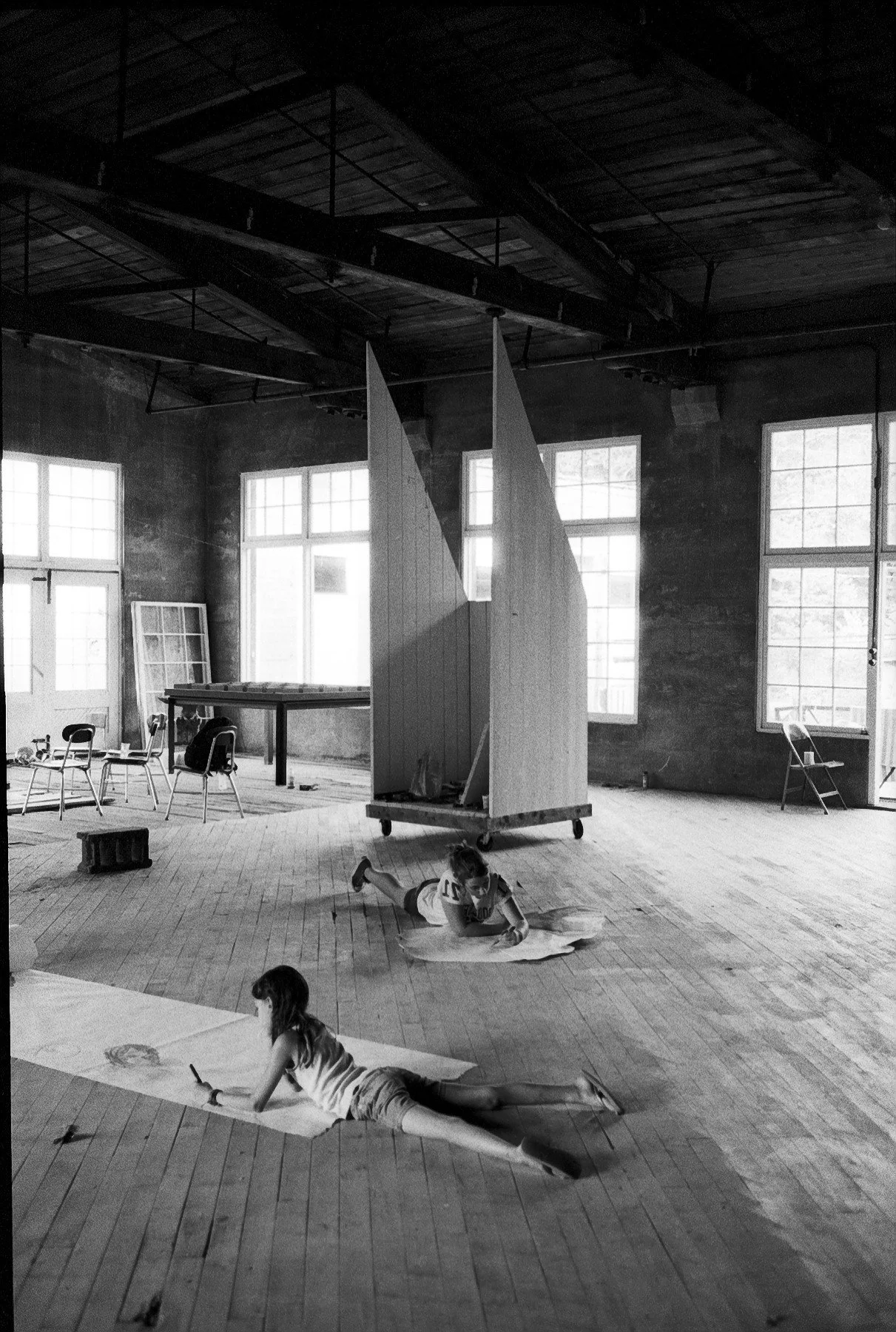
The work advanced through successive gatherings and seasons. People returned to finish jobs already underway, brought others into the effort, and shared the practical knowledge needed to take on the next piece of the building. Work parties became occasions to make and share art, and the distinction between a construction day and a workshop could become difficult to draw. People who came together to adapt the warehouse were also discovering what they could do in it. A construction could support the immediate work of a group, then become a surface for a drawing, a place to project a film, or the setting for a performance. The Mill could change in response to a program because many of the people developing that program were already involved in the work of changing the building.
This way of building carried forward as the campus grew. A room had to be made habitable before someone could spend a season working there, and a space prepared for one gathering could take on a different use when another group arrived. The people doing the work could decide what was needed for the task at hand while leaving later groups room to make their own decisions. In that sense, the campus has always been a work in progress. Its development has depended on the initiative of people who could see what a place might accommodate, work out how to make it possible, and contribute the time required to carry it through. Their effort is part of the history of the organization and of the education that takes place there.
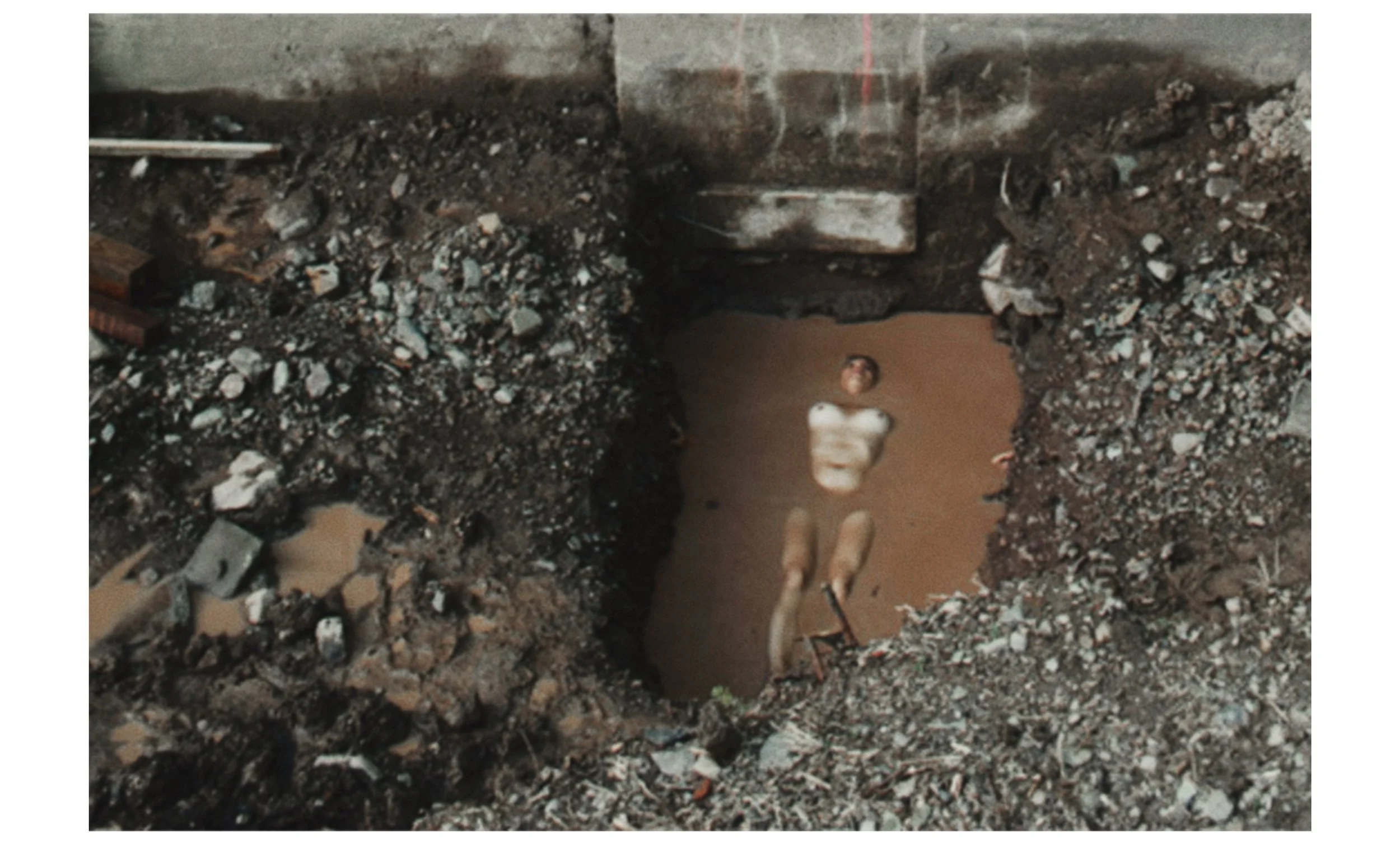
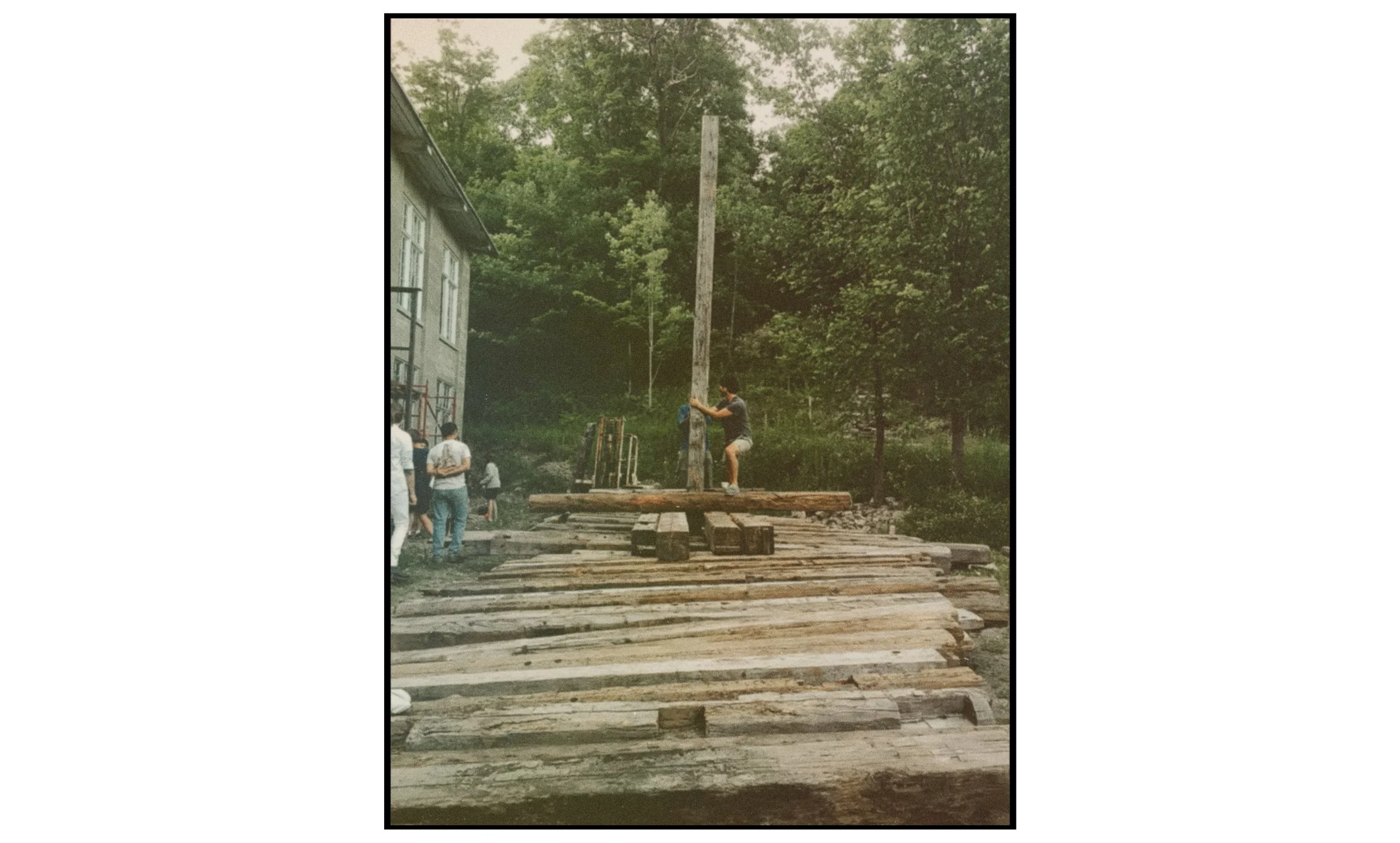
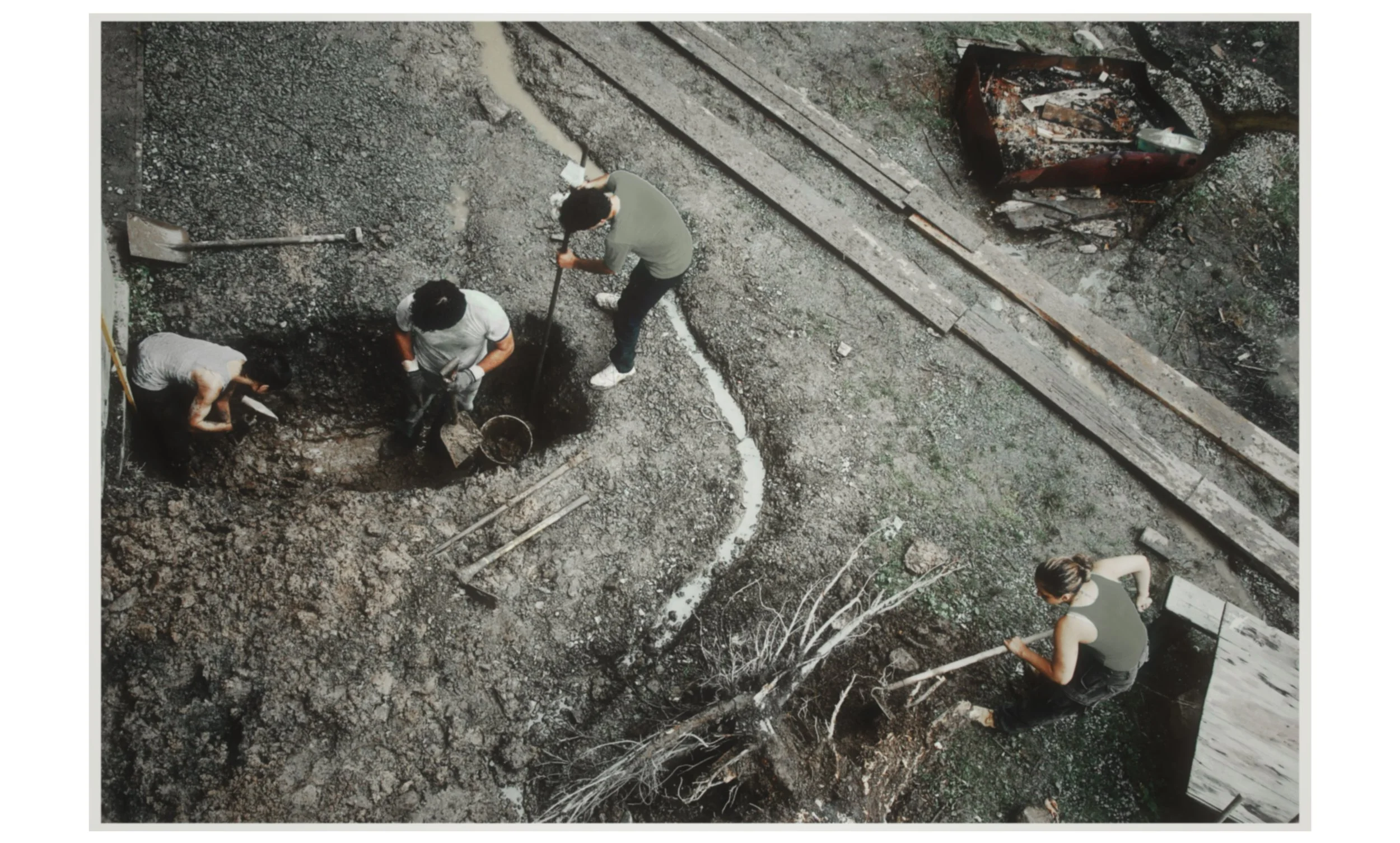
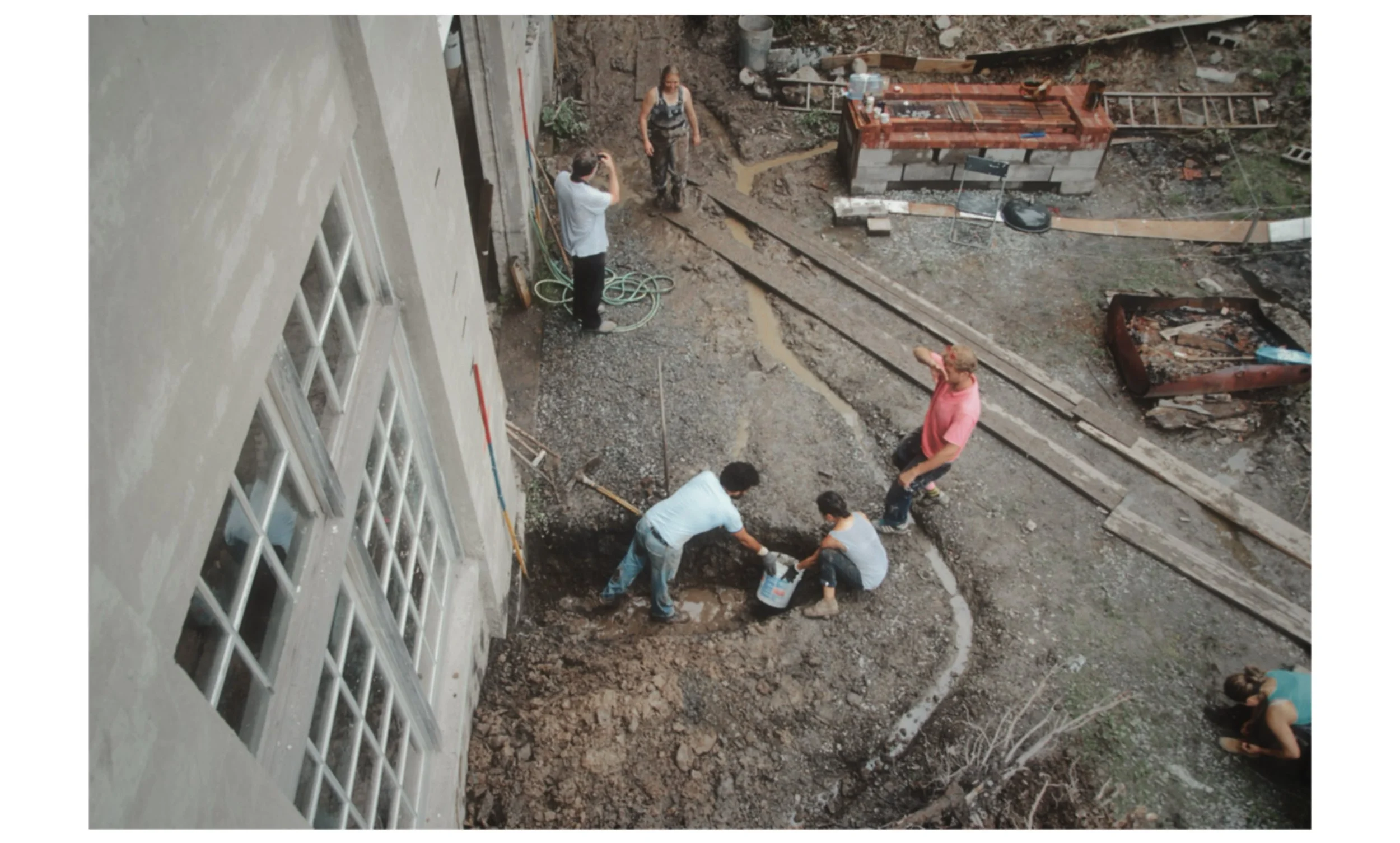
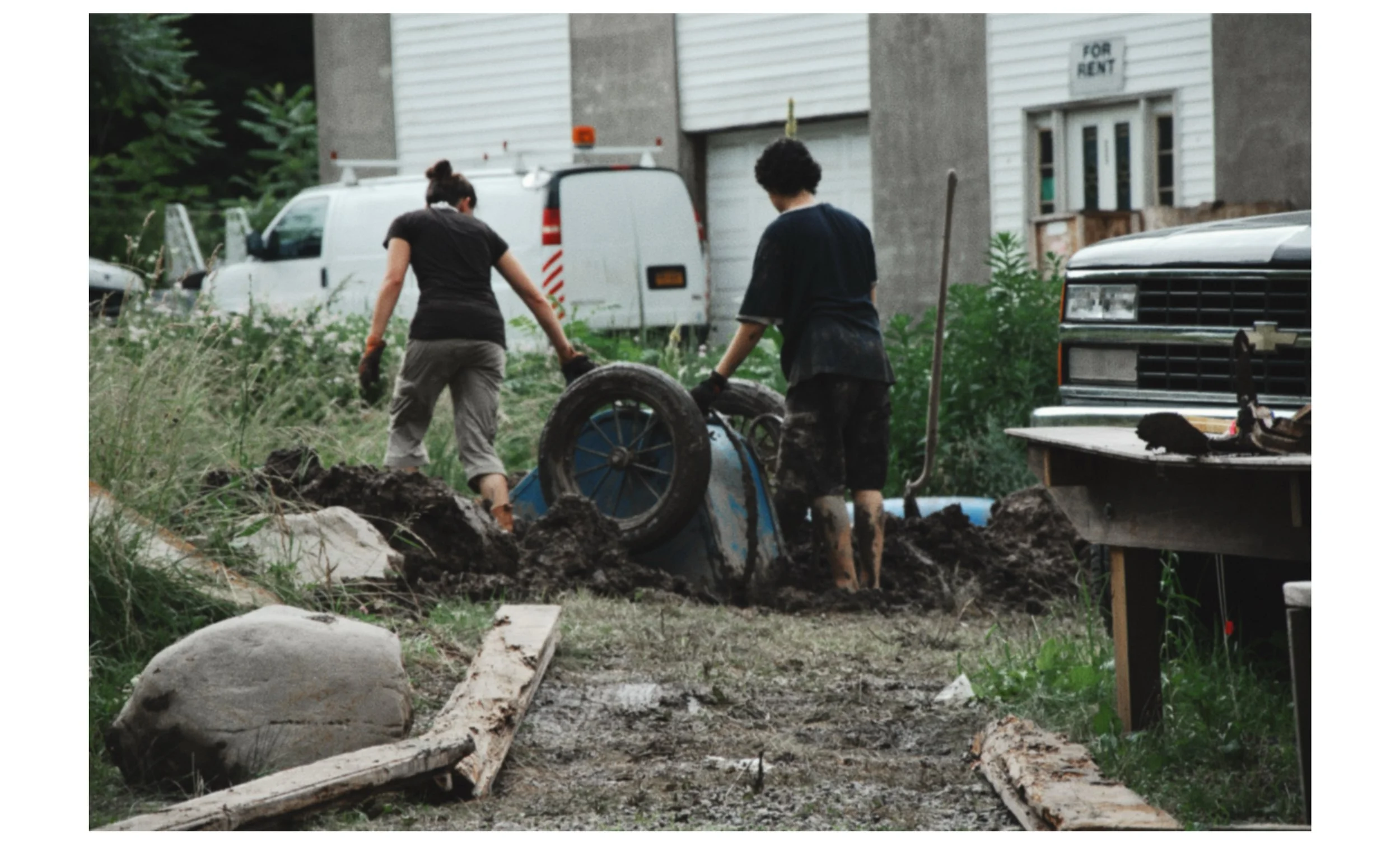
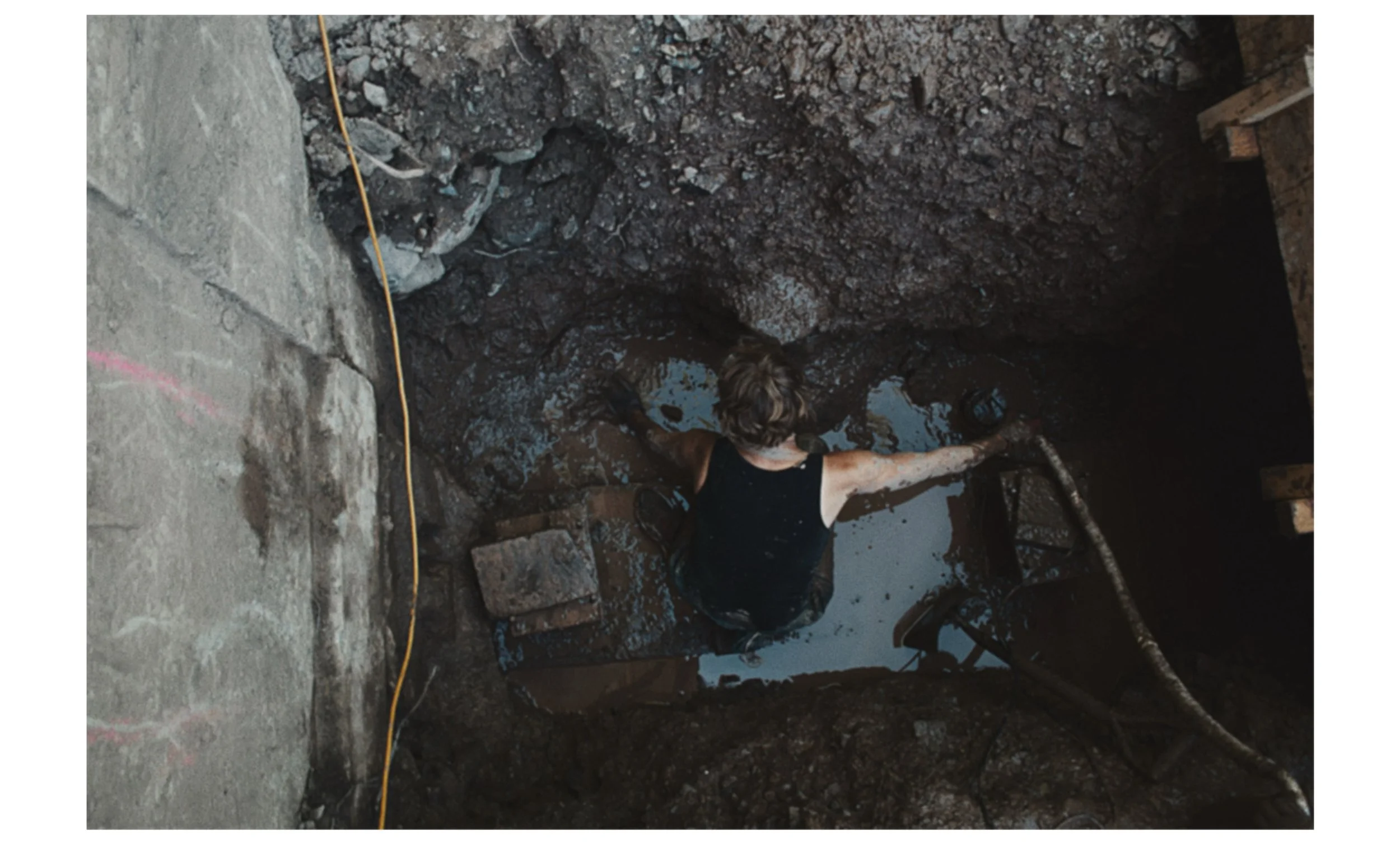
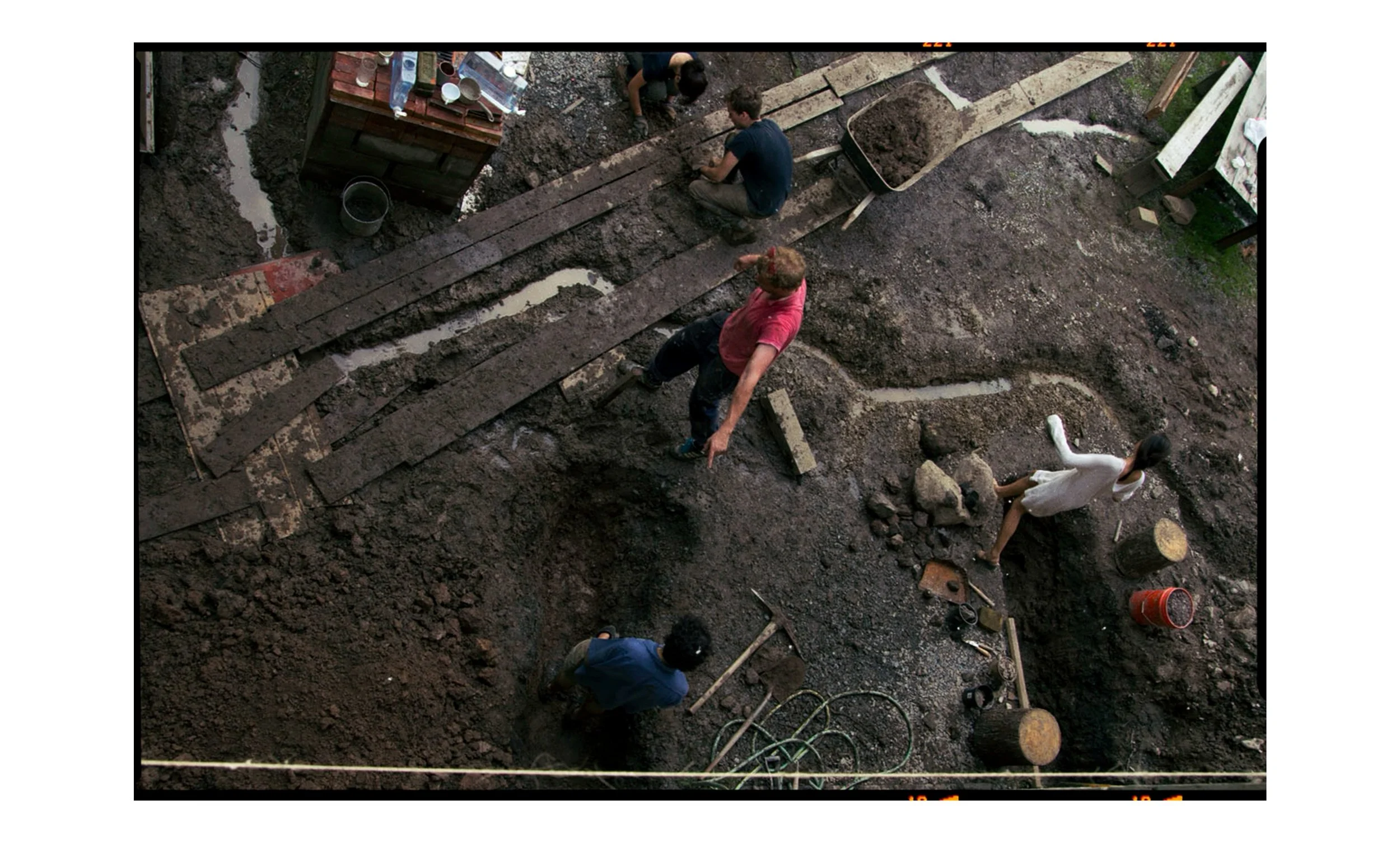
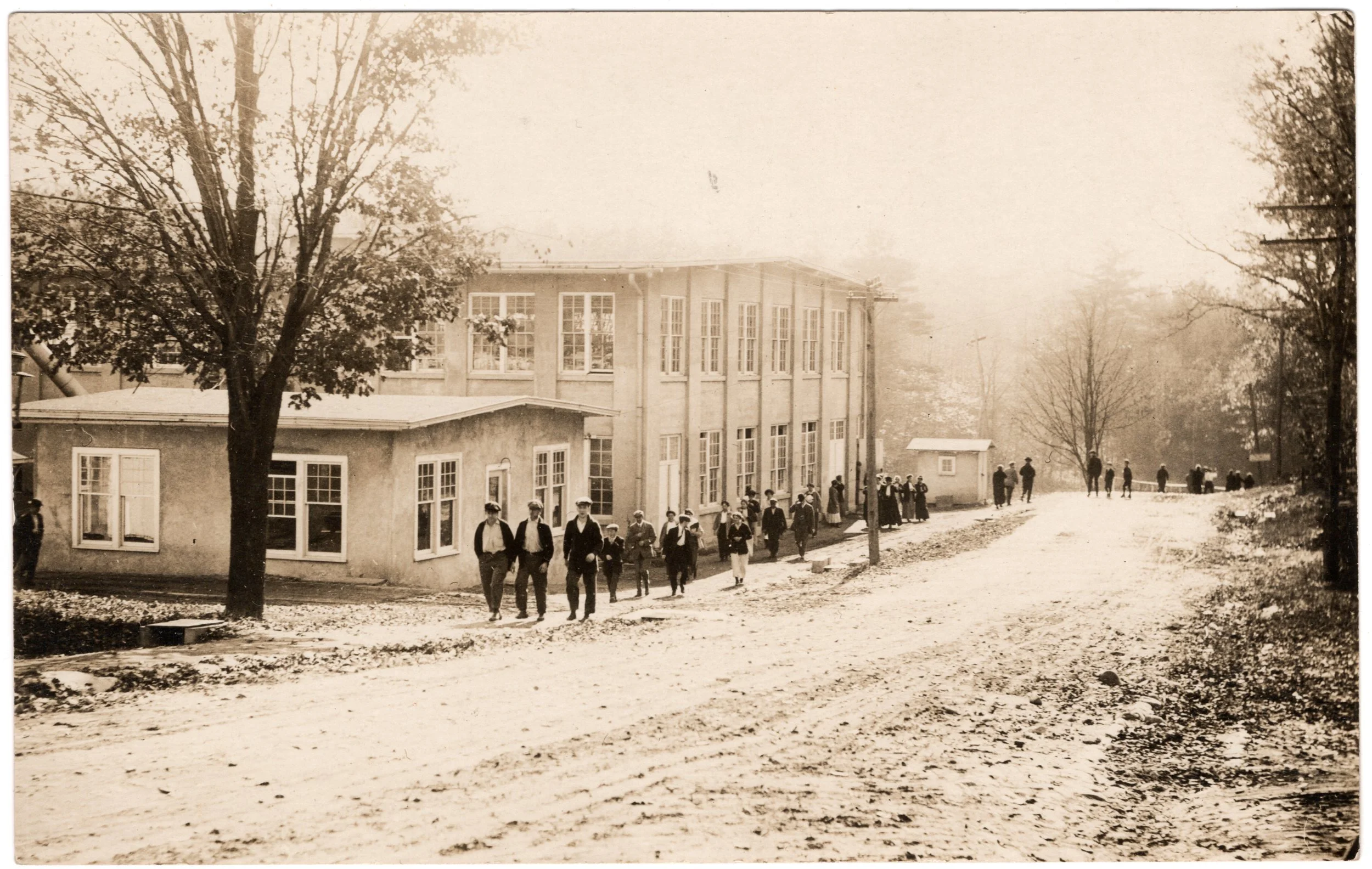
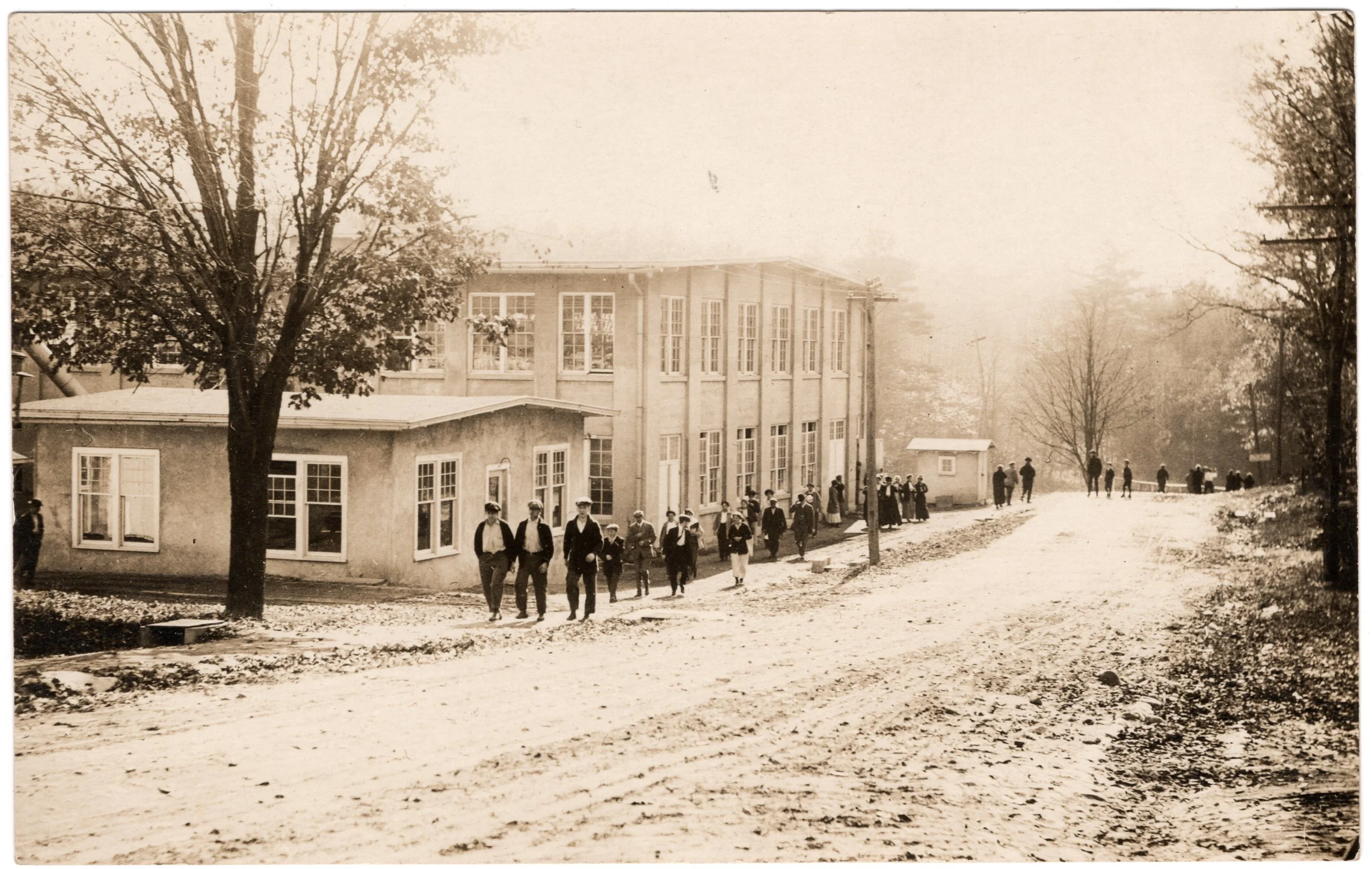
The warehouse stands in a part of Averill Park shaped by textile manufacturing. During the nineteenth century, mills along the Wynants Kill drew on water power and supported a community whose houses stood close to the places where people worked. The Sand Lake Cotton Factory and later Faith Mills belonged to that industrial landscape. The building that would become the Mill was used to store cotton. The former mill owner’s residence, built in 1859, stood uphill, and workers’ housing lined part of Burden Lake Road. The later incorporation of some of those buildings into Arts Letters & Numbers gave the campus a form that still follows the geography of the former mill community.
Gersten’s relationship to Burden Lake long preceded the organization. His family had spent time there for generations, and after years of living and working in Manhattan he was drawn back to the area. In 2001, he purchased the vacant, approximately 12,000-square-foot Faith Mills warehouse. The building was large enough to assemble structures at full scale and to keep several kinds of work within sight of one another. Those qualities became important once the first workshops were being planned. A construction taking shape in one part of the Mill could become material for people drawing or filming in another, and a group could work toward a performance in the same place where its elements were being made. By then, the warehouse had already given people a reason to come together through the work of adapting it.
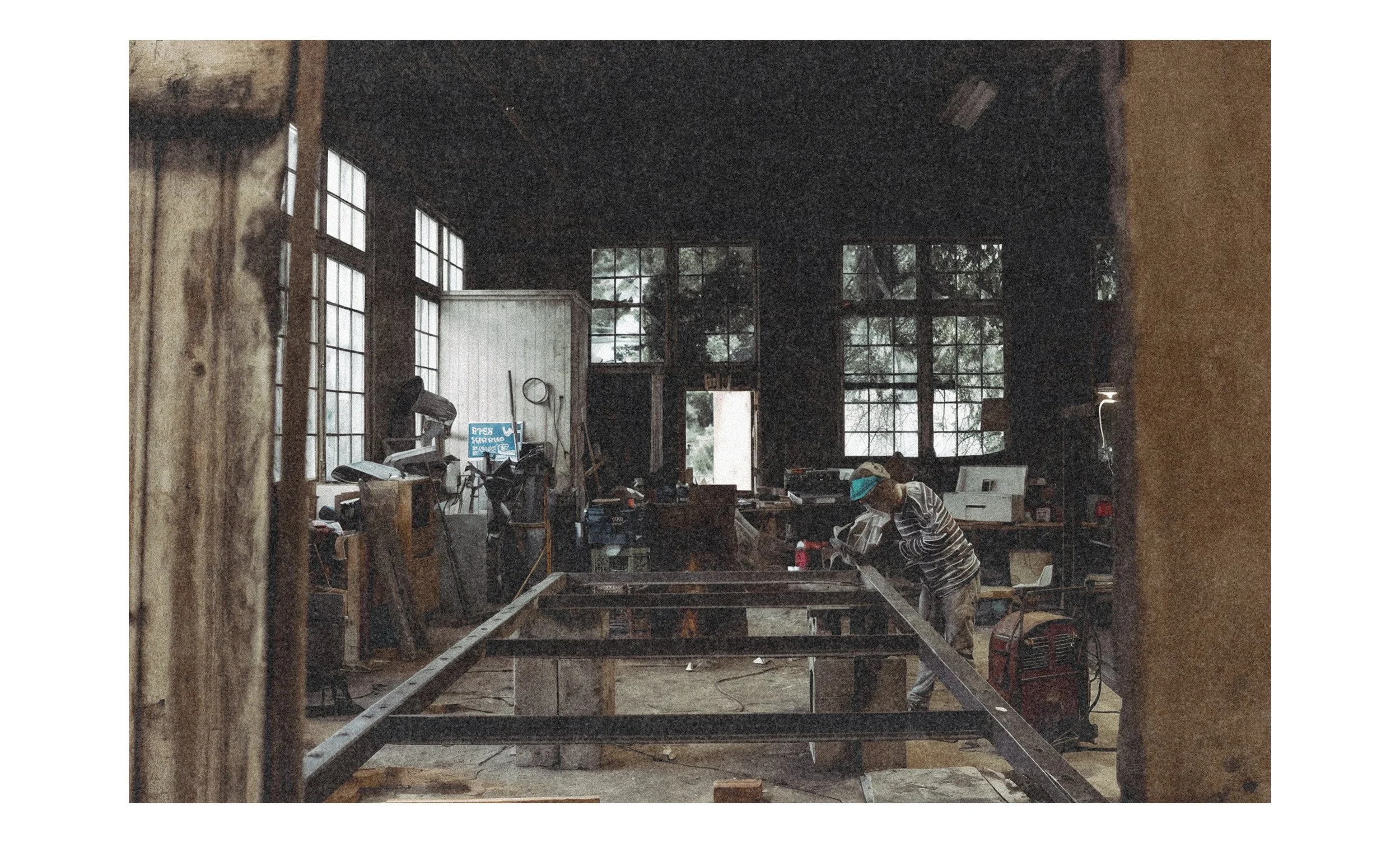
Arts Letters & Numbers also drew on a history of skilled work in North Albany. Gersten grew up in Albany, studied drafting in vocational school, and worked with his stepfather, Karl Becker, in the family’s truck fabrication and repair business. The business began in 1894 with blacksmithing and the manufacture of wagons and sleighs, and its work changed across generations to include trolleys and heavy trucks. Much of the knowledge that kept the shop going passed from one person to another through the course of a job. Working with a mechanic known as Bear, Gersten learned to set rivets from the opposite side of a truck wall. The two coordinated their movements through taps and through a rhythm that allowed each to anticipate what the other was about to do. The experience informed Gersten’s account of spatial literacy, which considers what people learn through the relationships among their bodies, tools, materials, and surroundings. At Arts Letters & Numbers, the value of such knowledge became apparent whenever the task of building something asked people to develop a way of working together that they could only learn by doing it.
The choice of Averill Park also reflected a commitment to the Capital Region as a place where international exchange could have a local life. Through teaching and making work abroad, Gersten had encountered communities in Bolivia, Chile, Denmark, China, and elsewhere and wanted to create a setting in which they could meet and work together. He wanted those encounters to include people from Albany, Troy, Schenectady, and the surrounding towns, including young people from schools like the ones he had attended. The region offered a place where those relationships could continue over time, through repeated visits, shared work, and partnerships with schools and community organizations. The Mill’s location was integral to that ambition. It brought visitors into an existing community and gave the people around it a place they could take part in building.
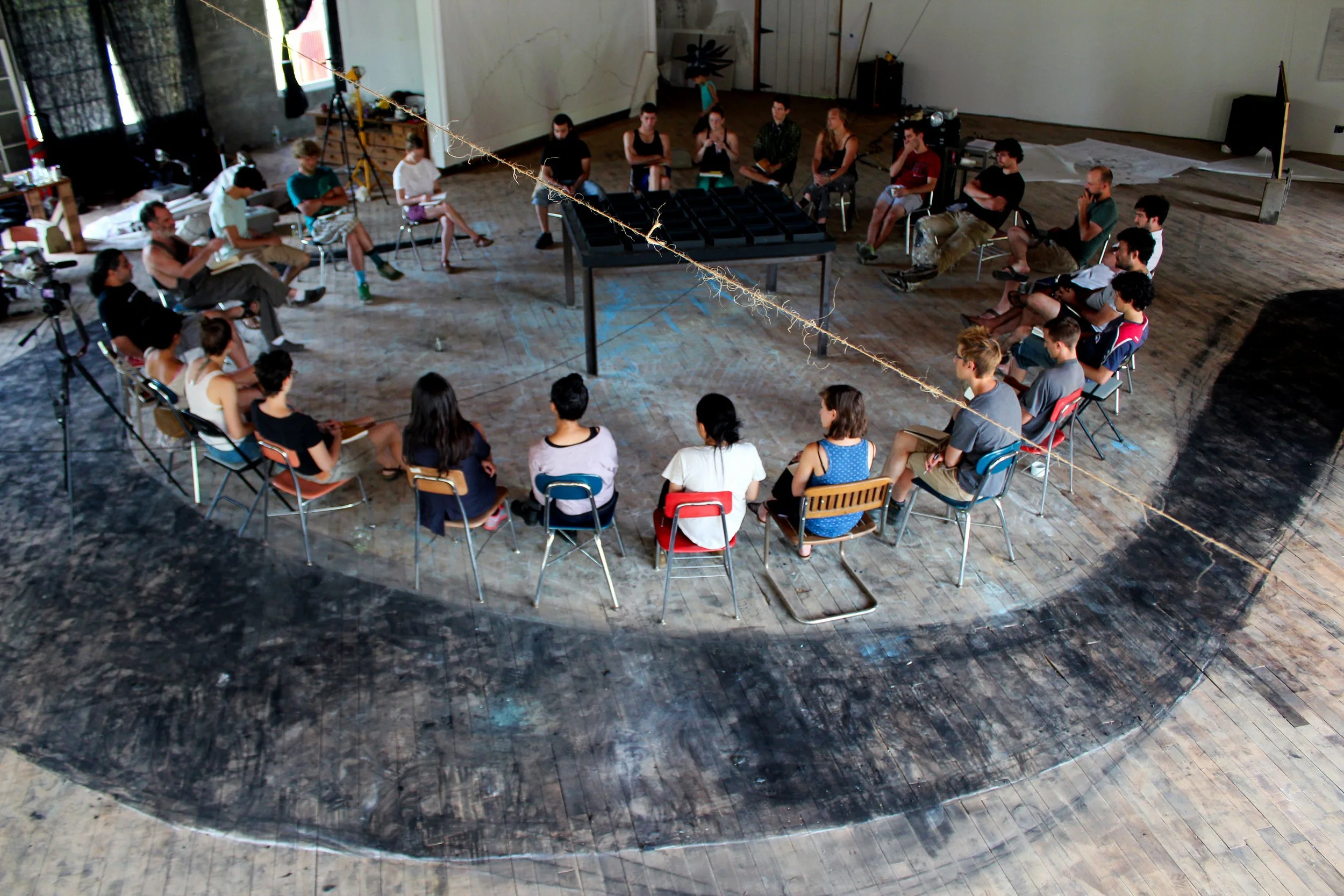
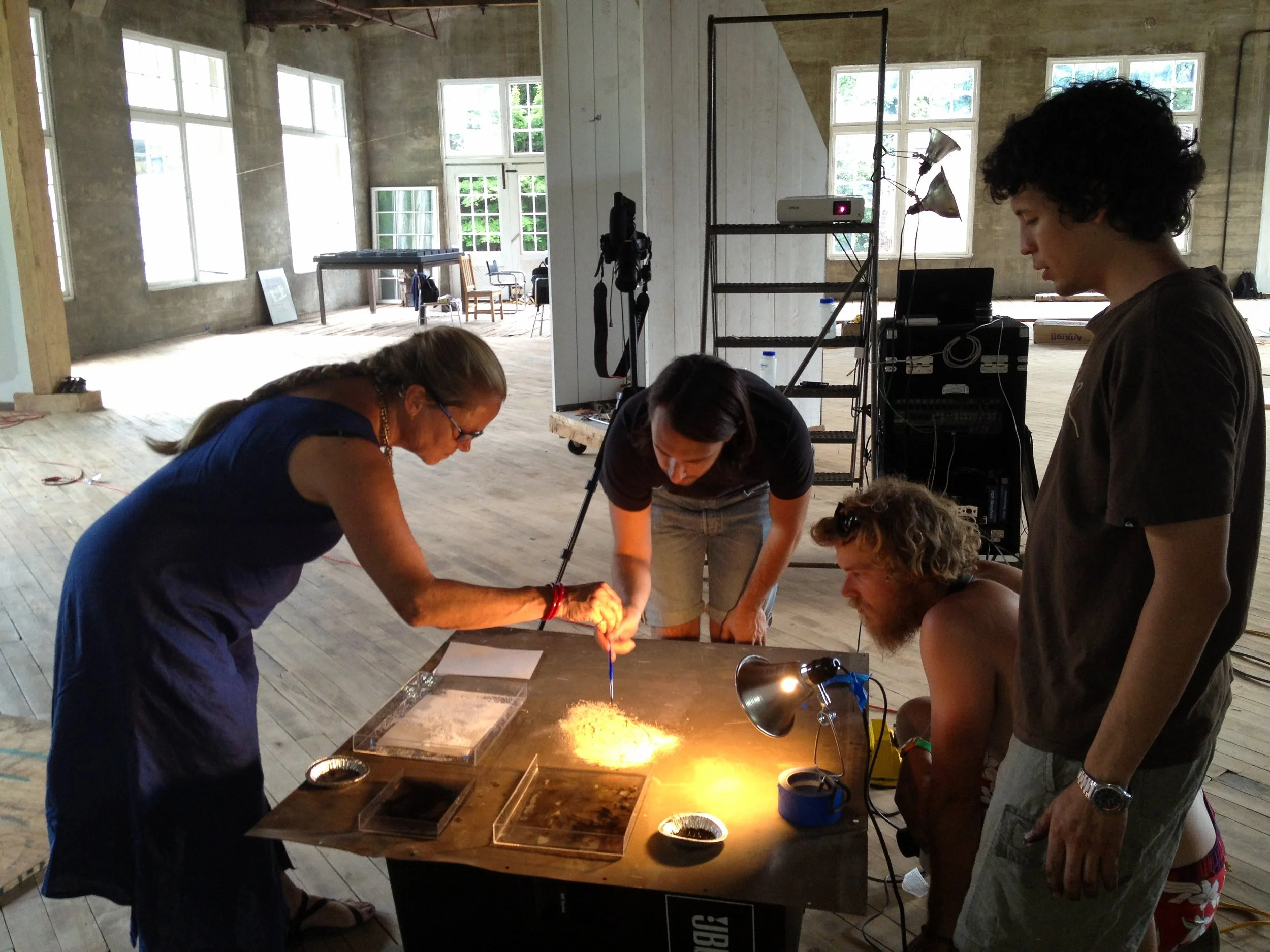
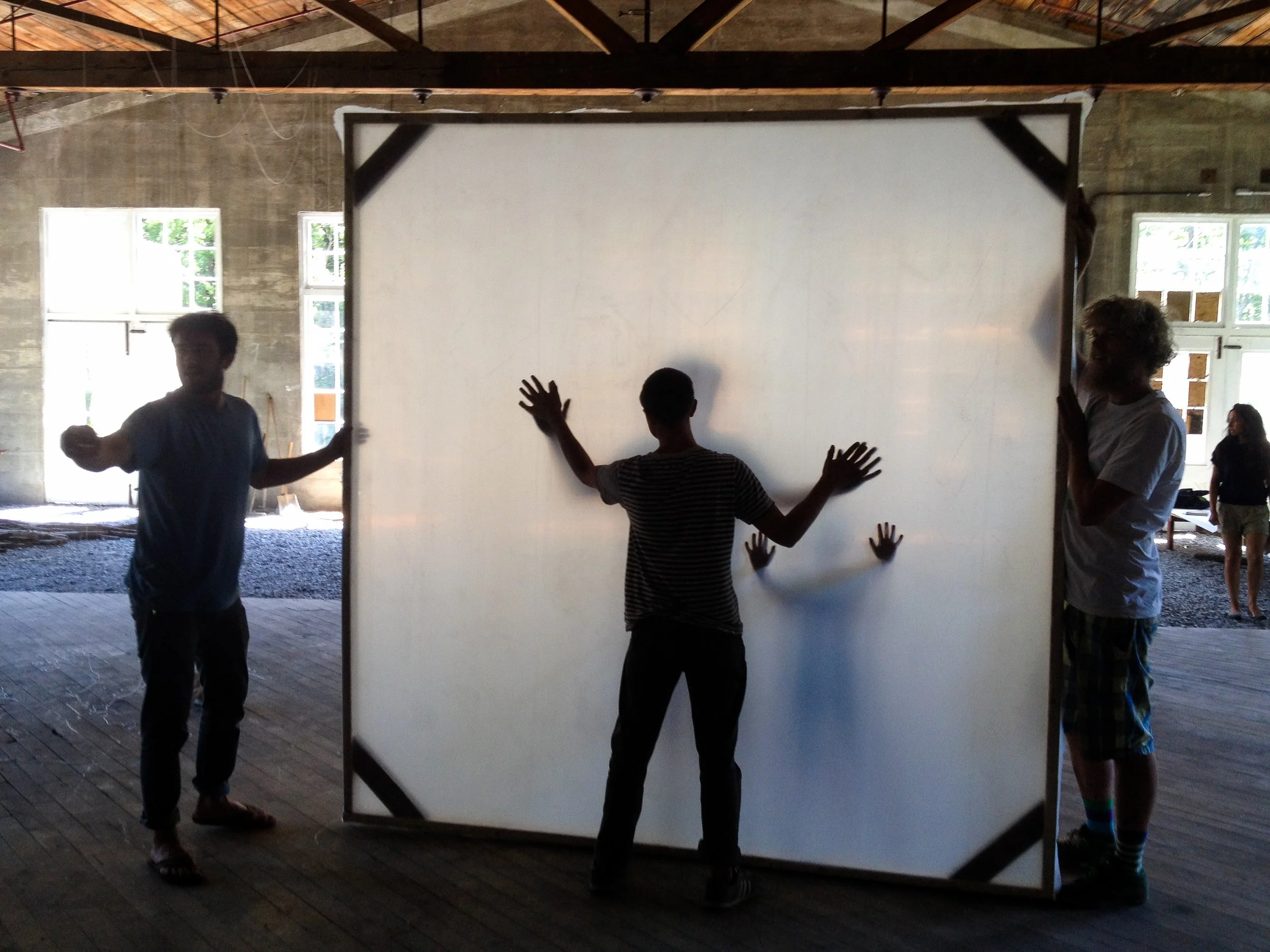
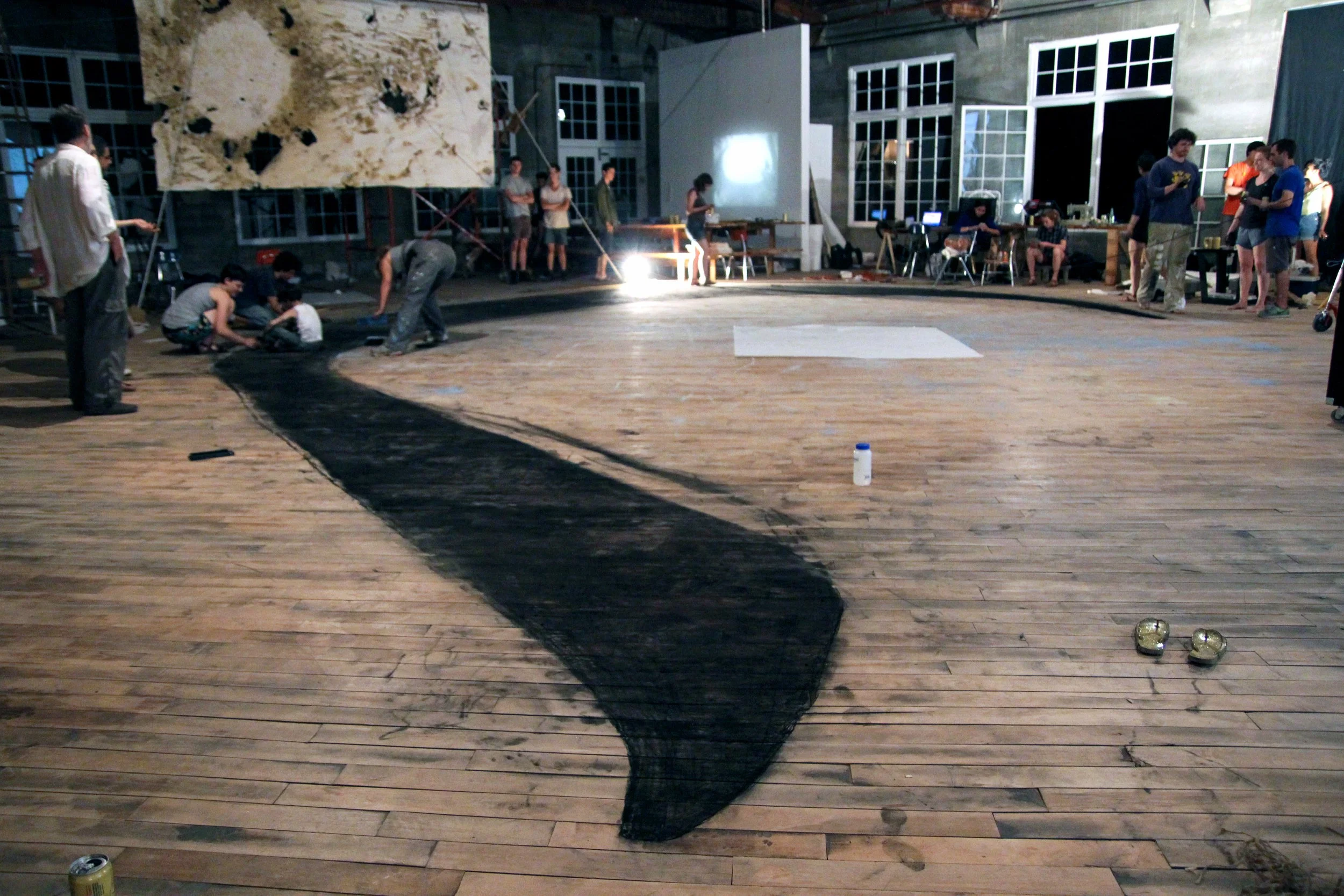
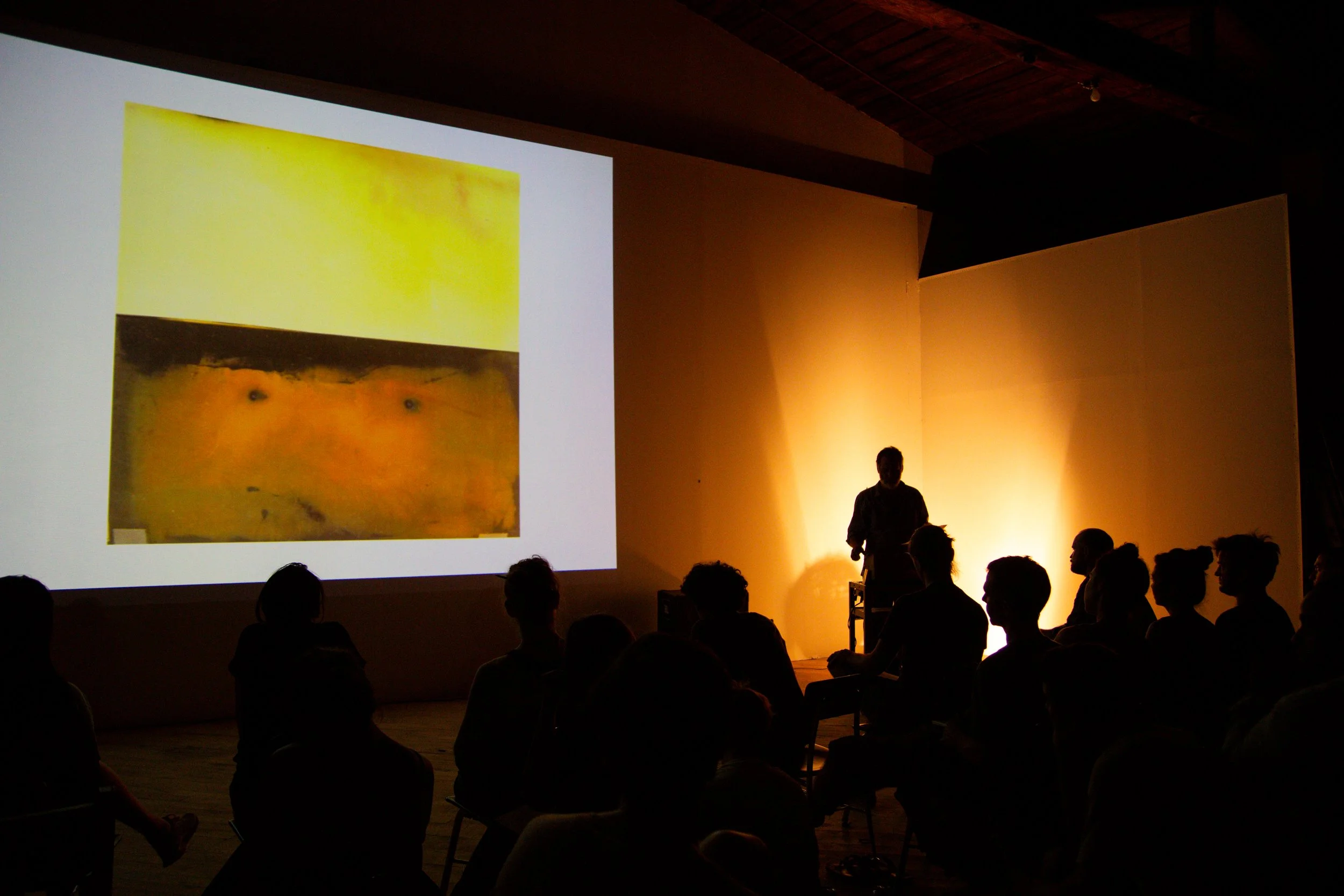
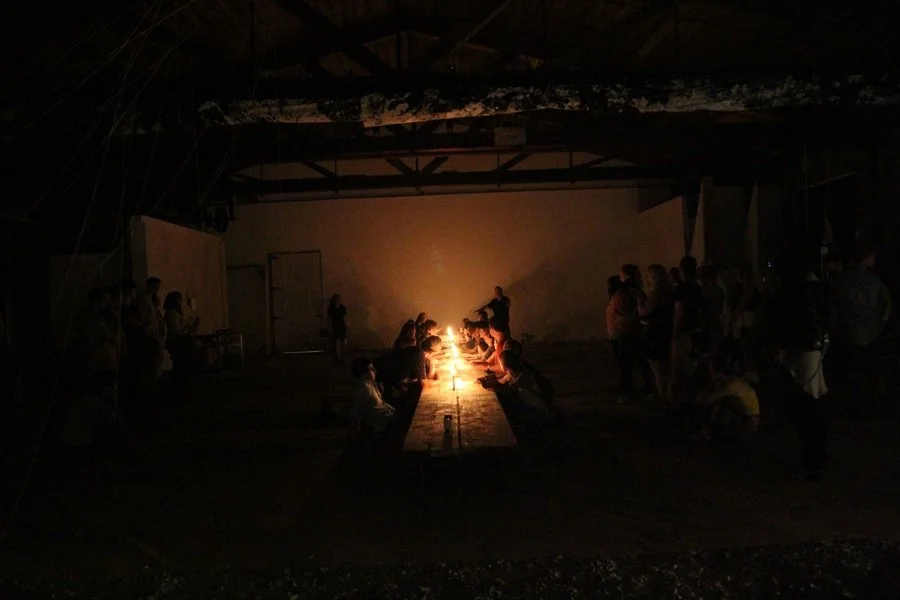
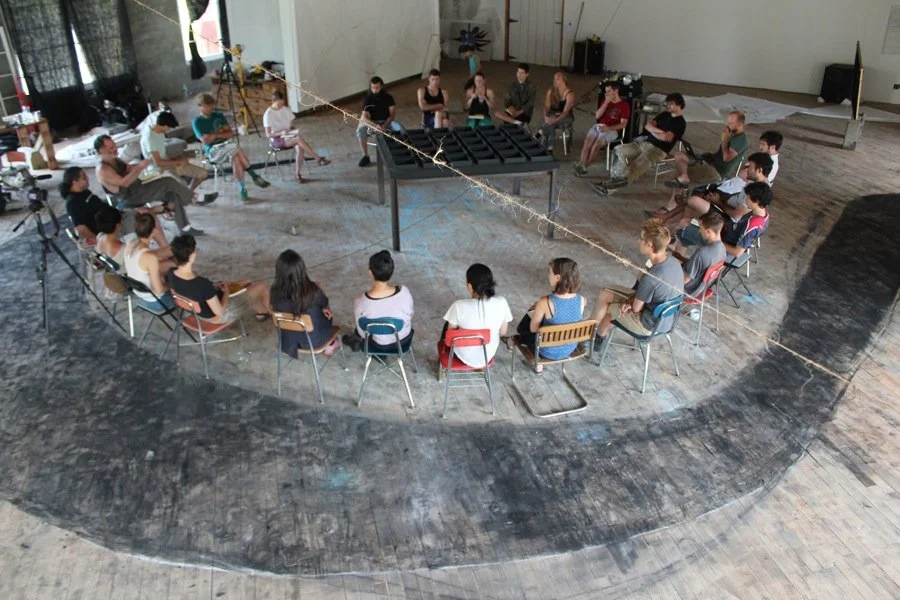
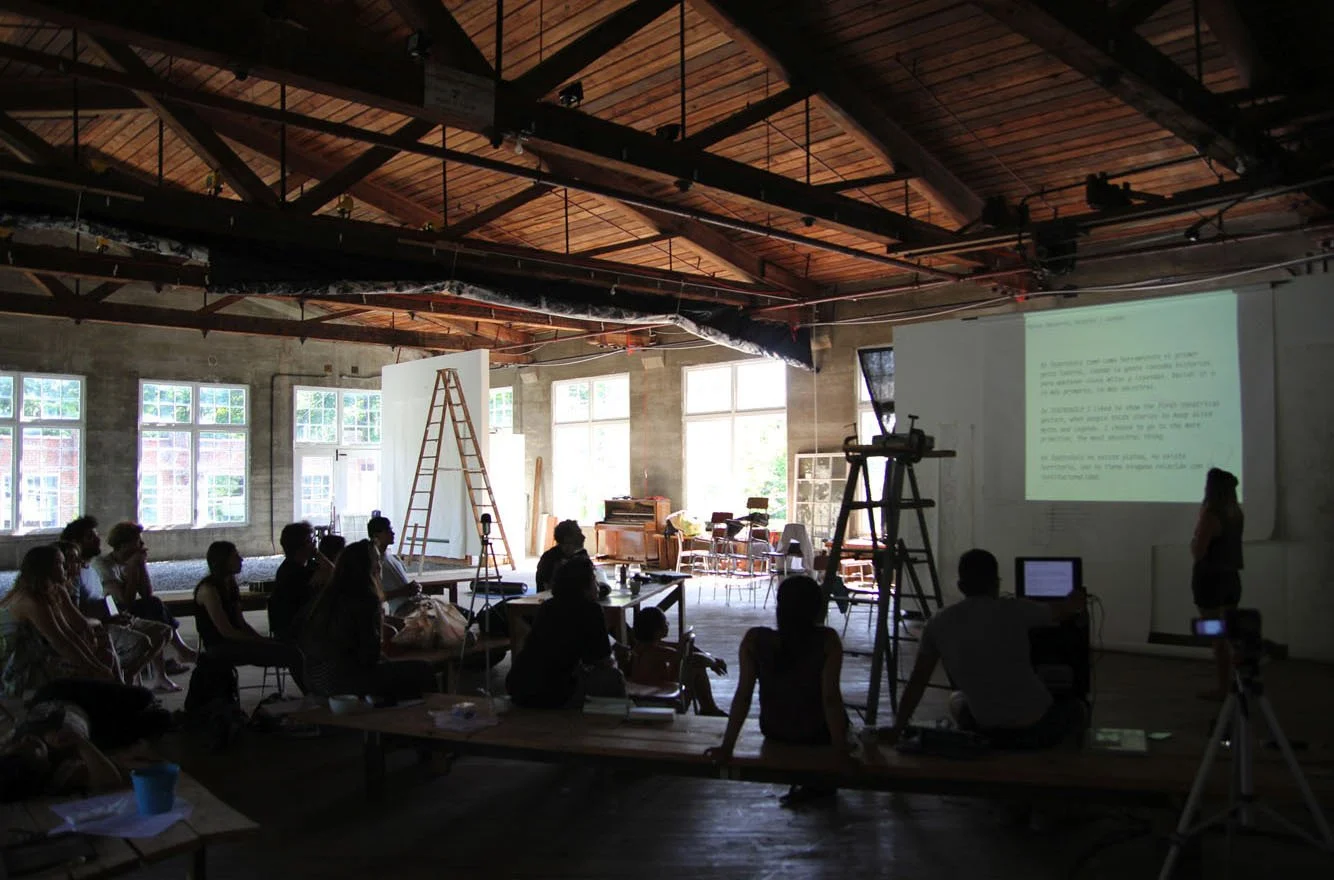
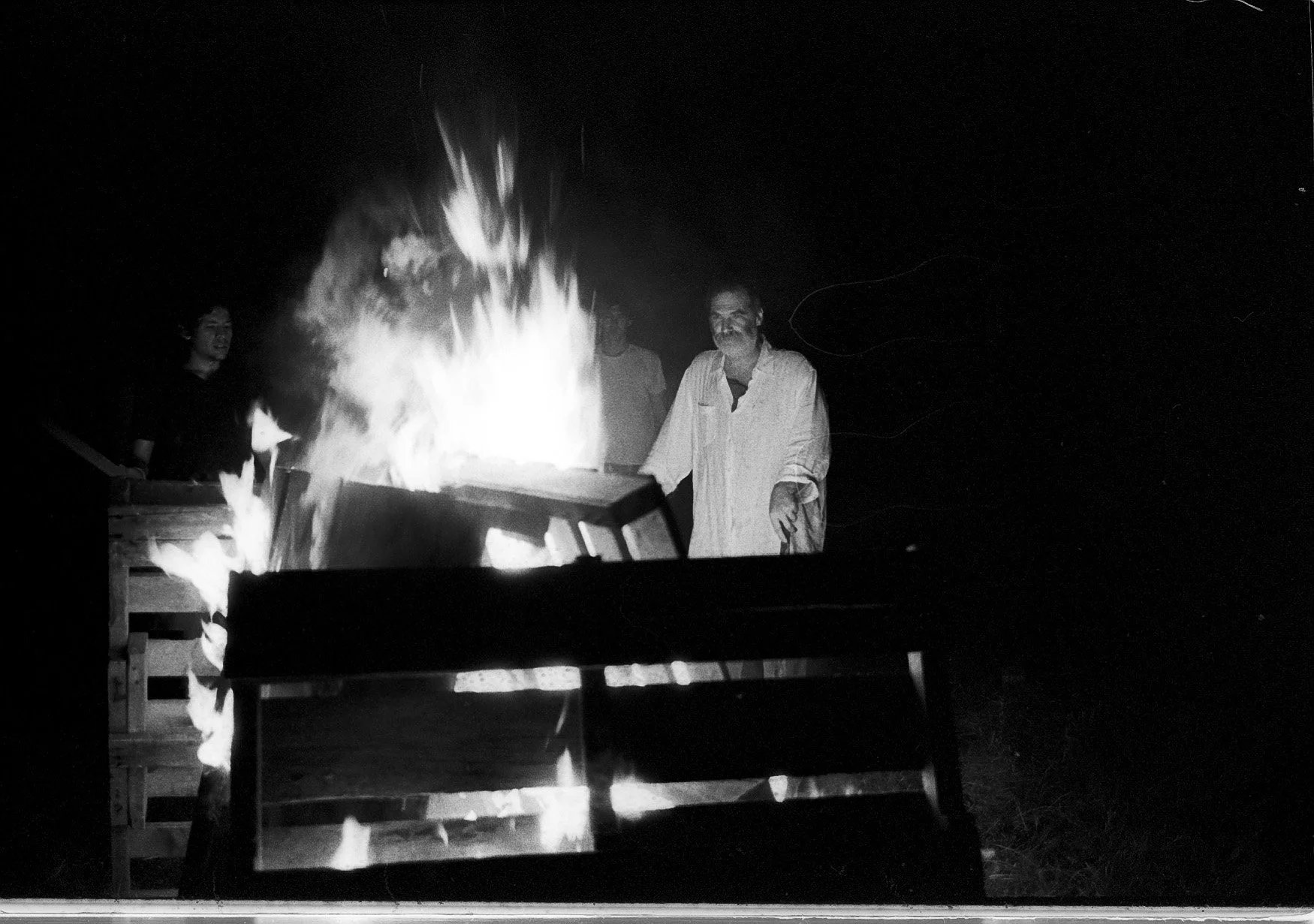
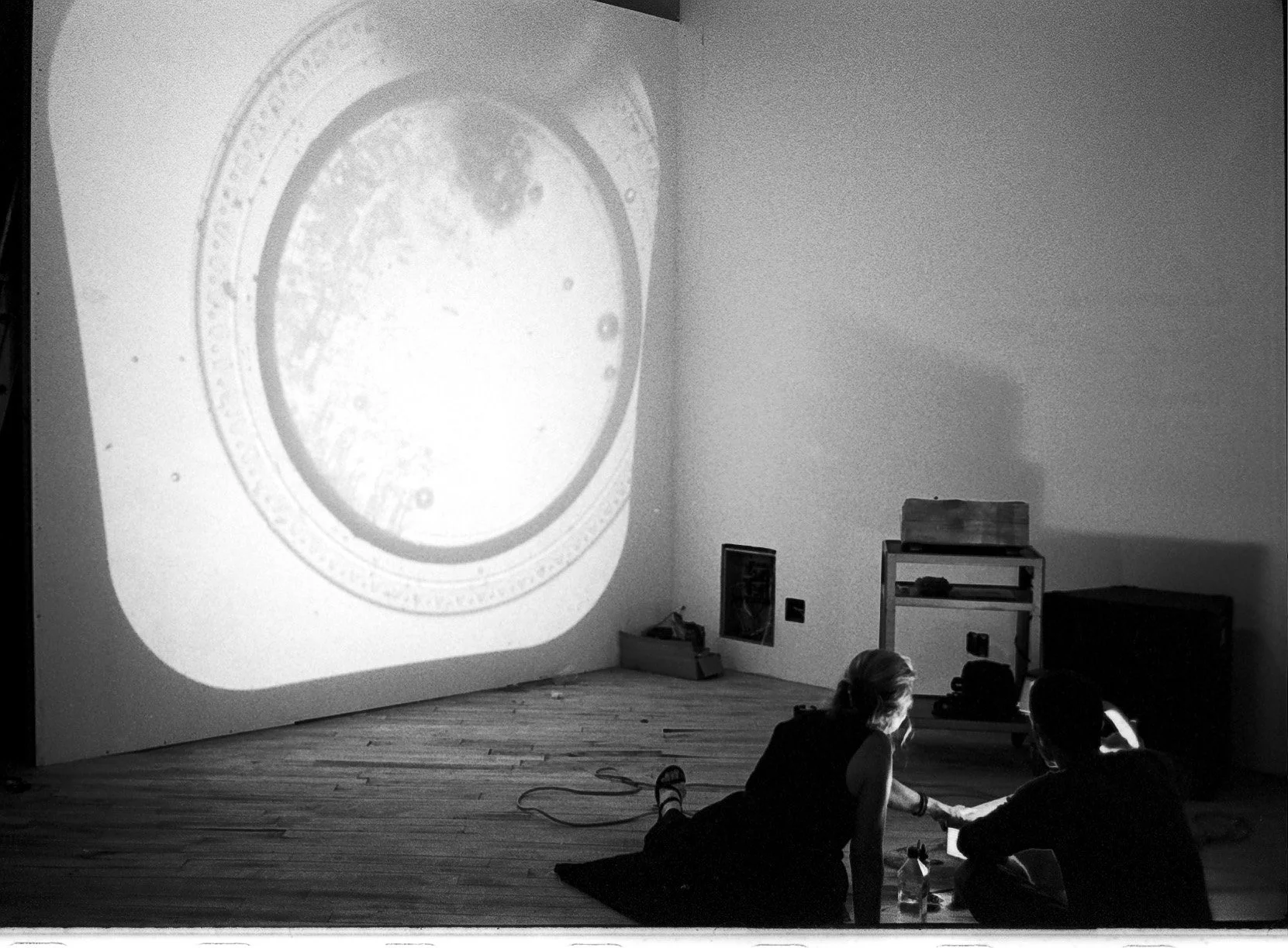
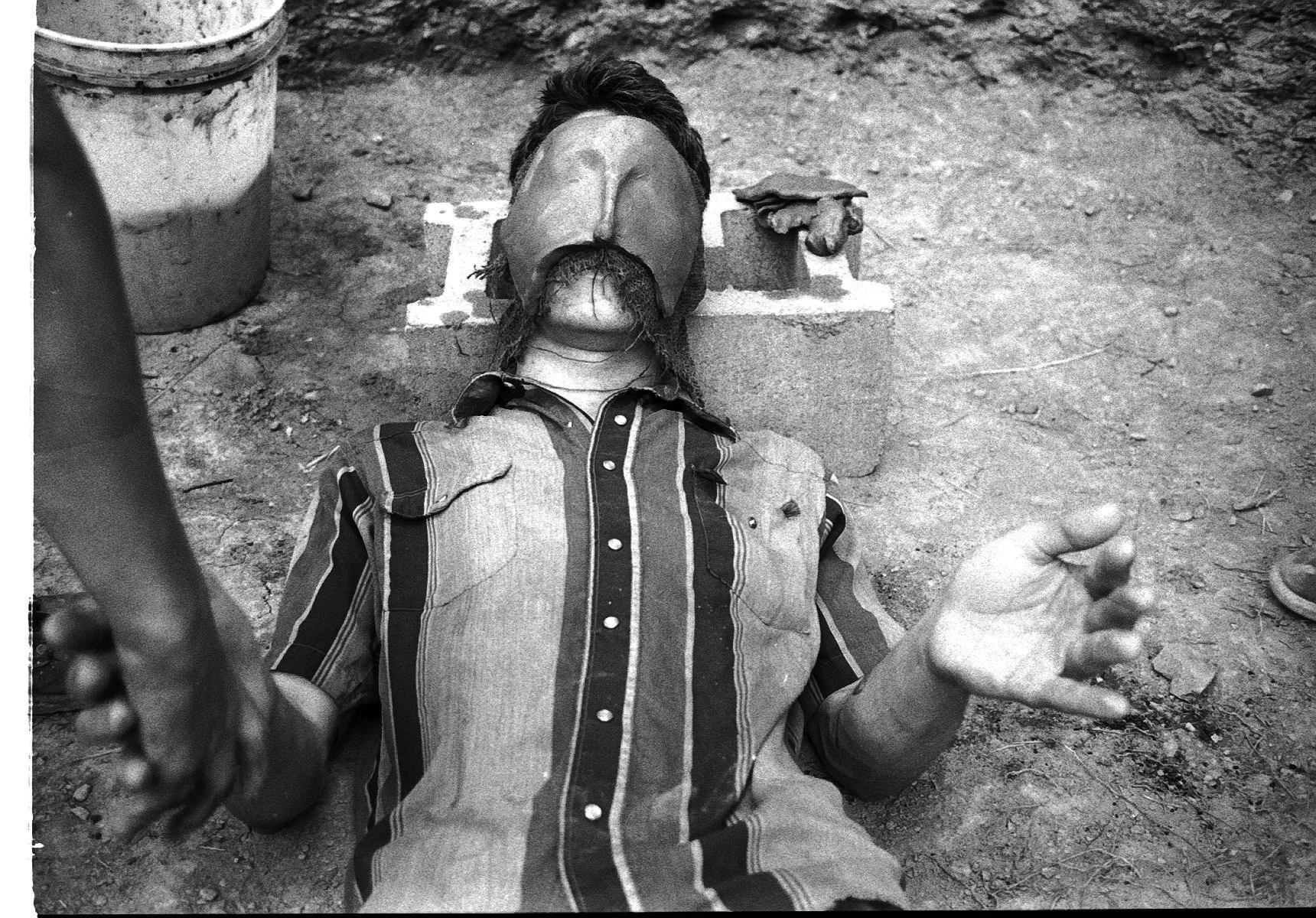
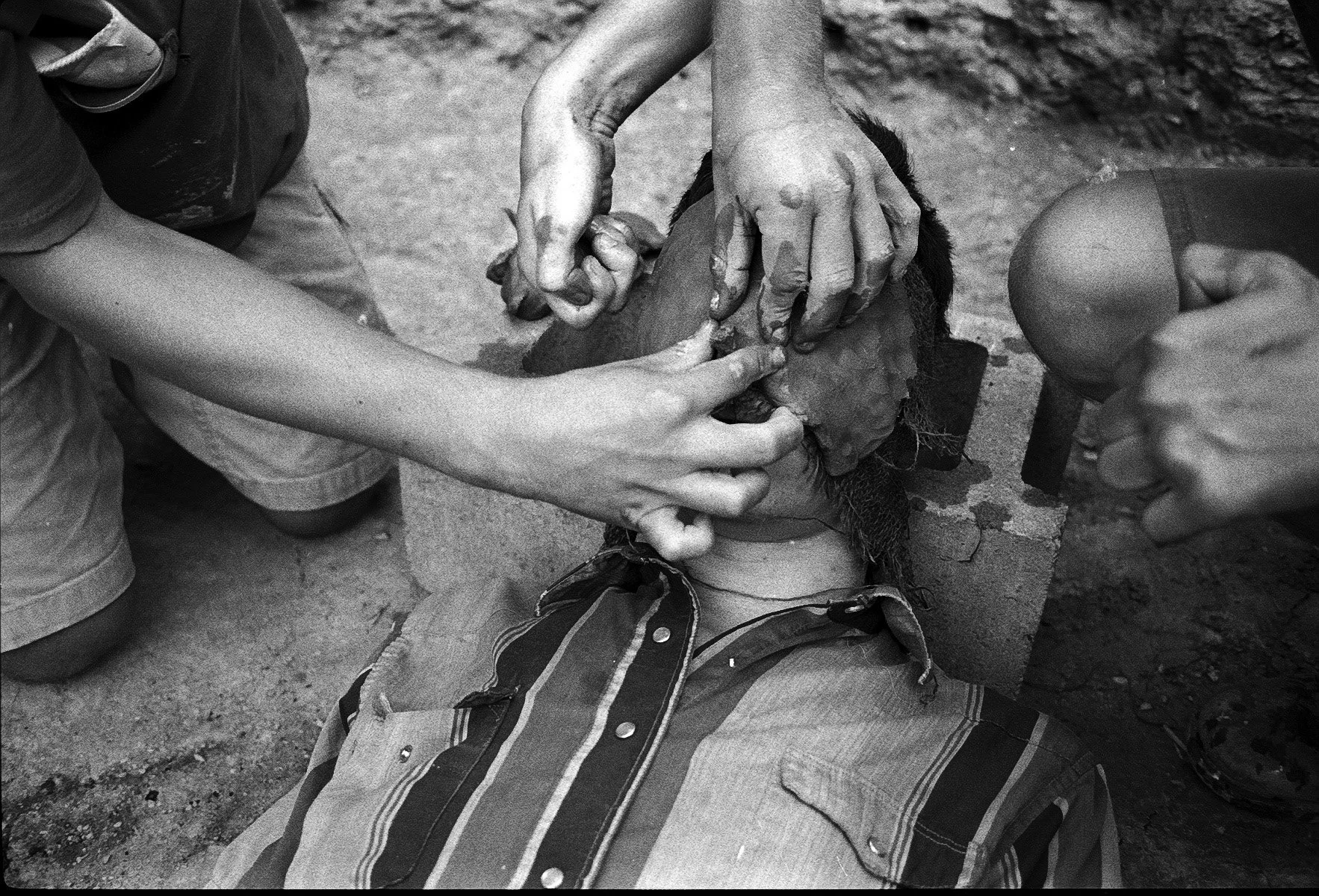
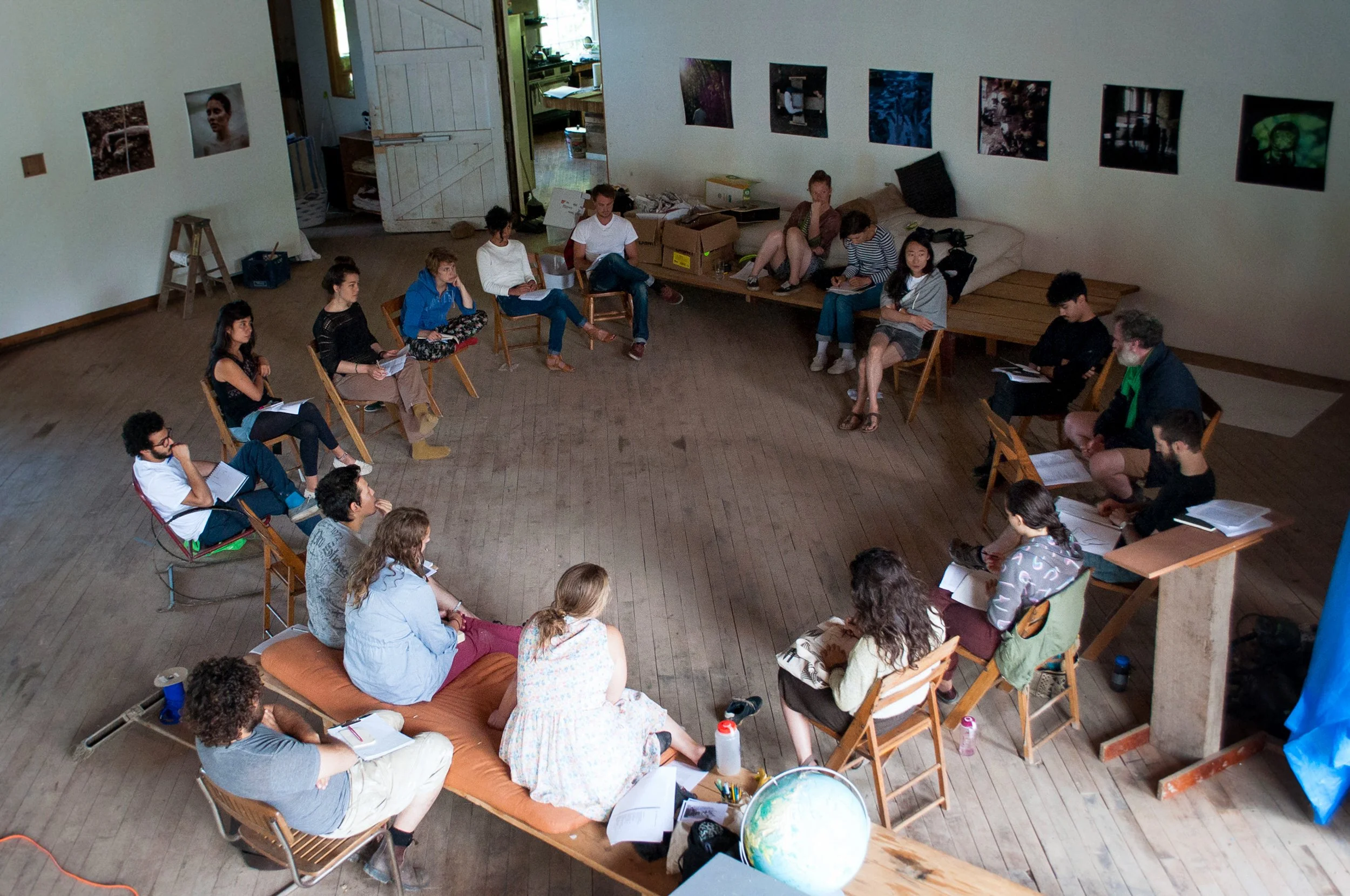
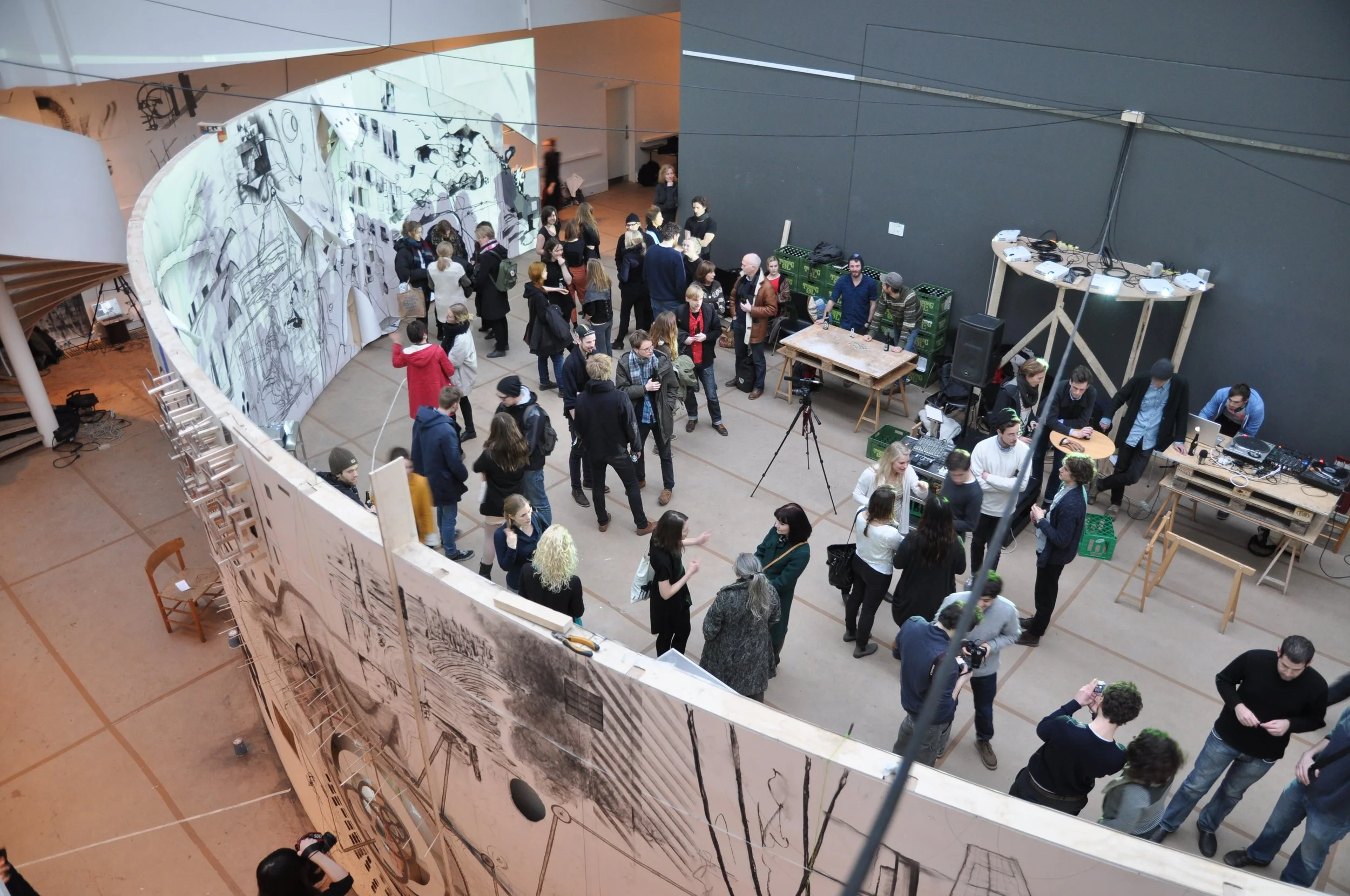
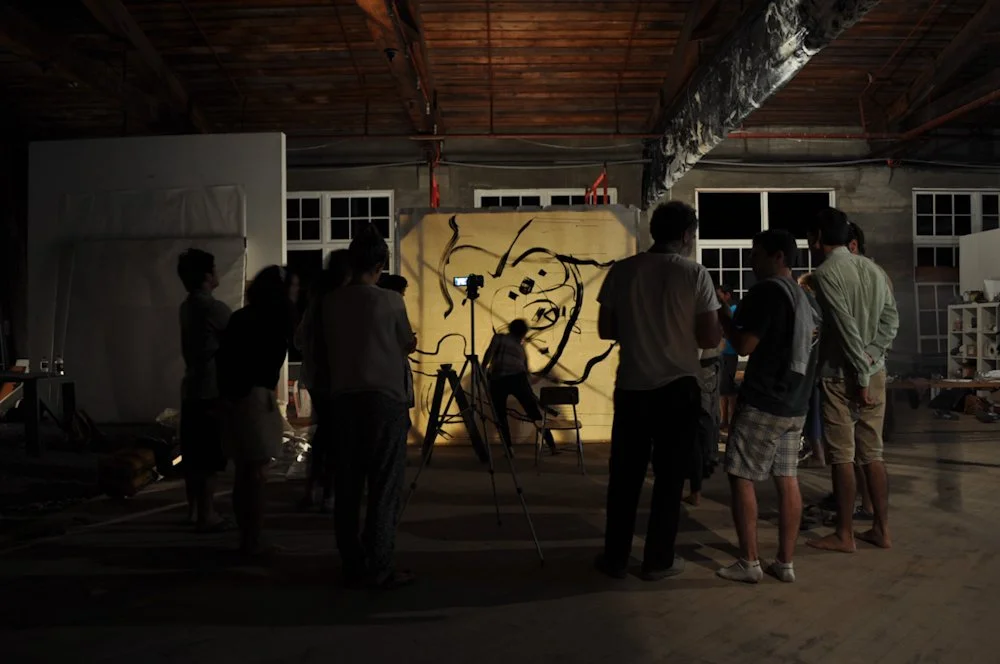
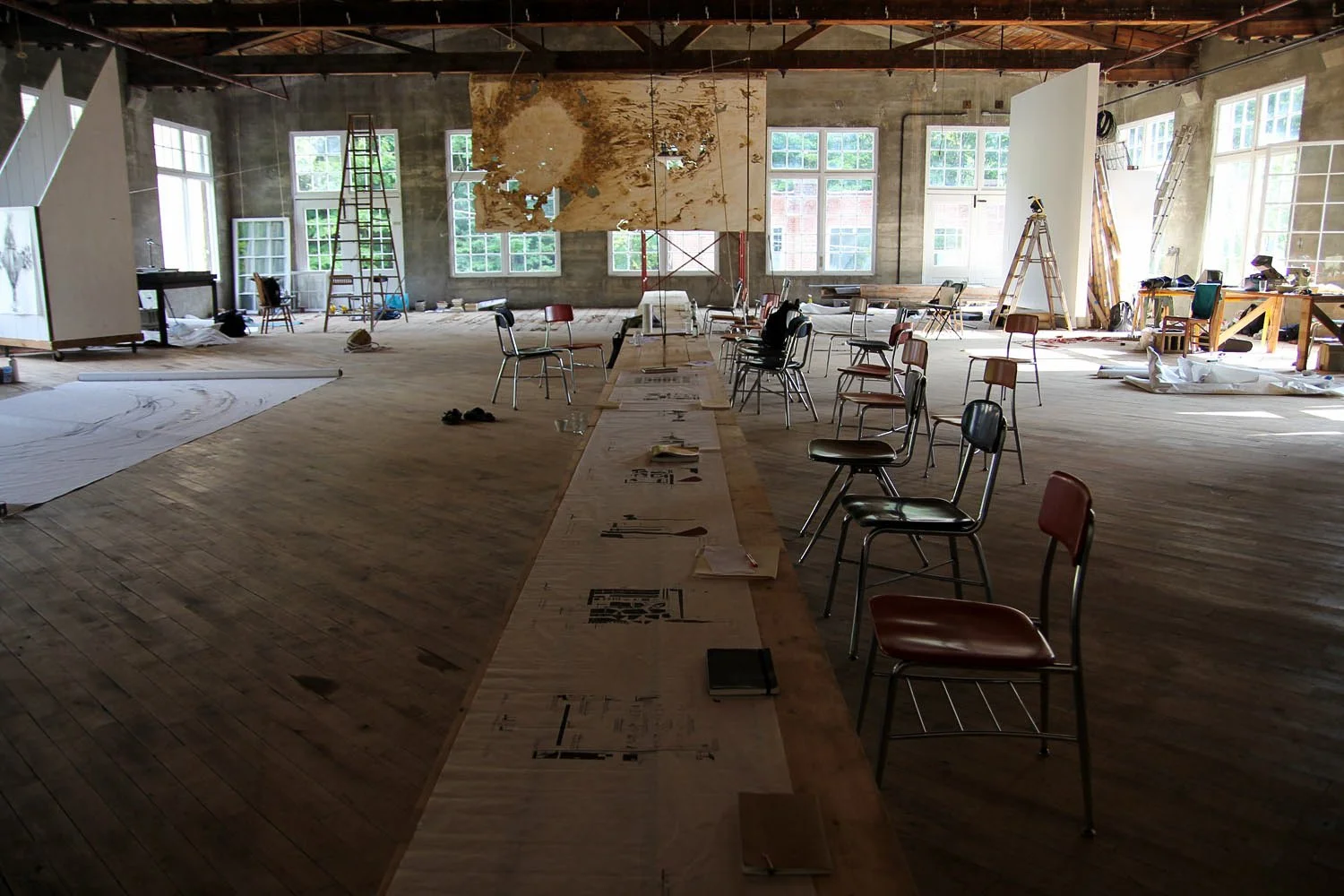
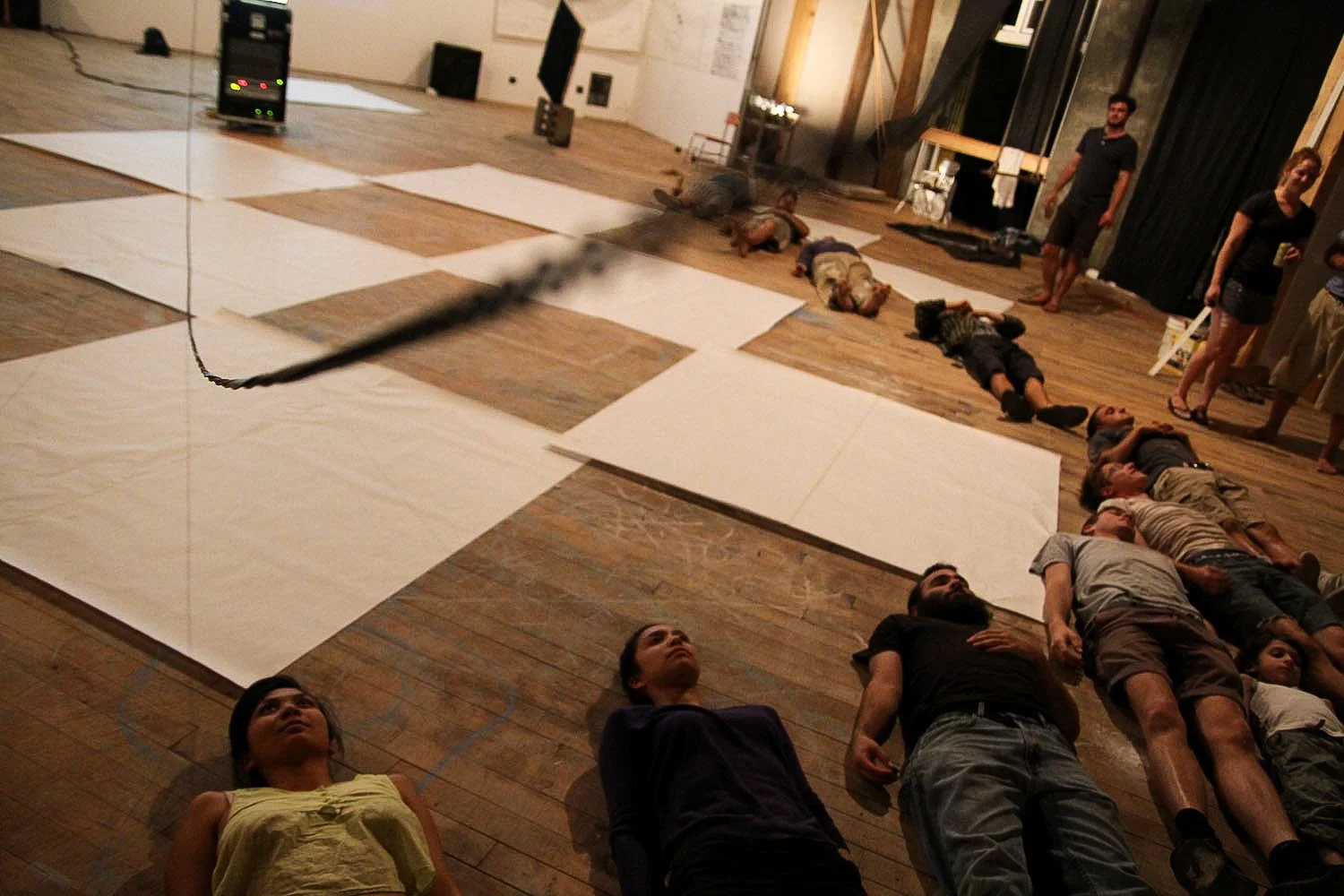
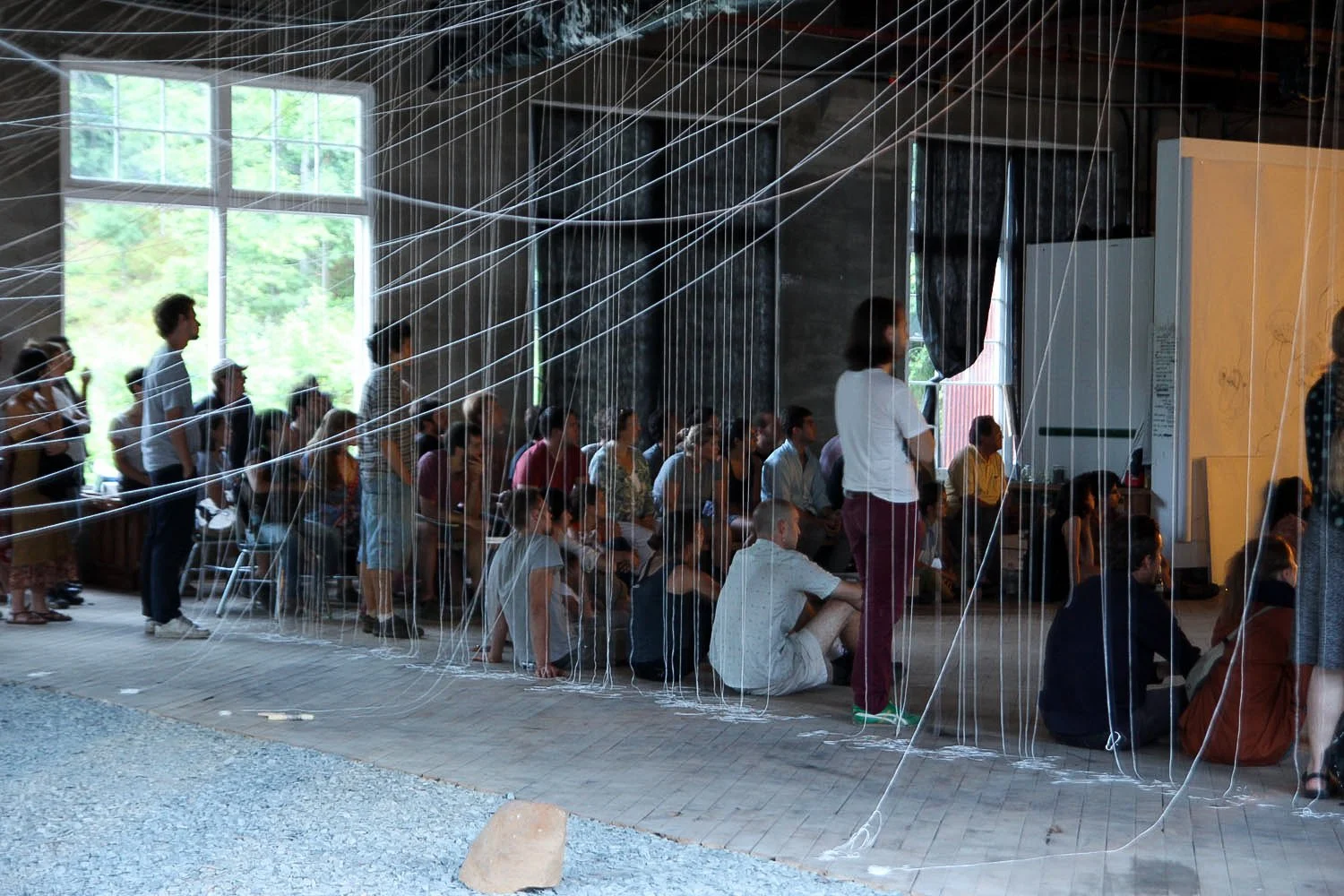
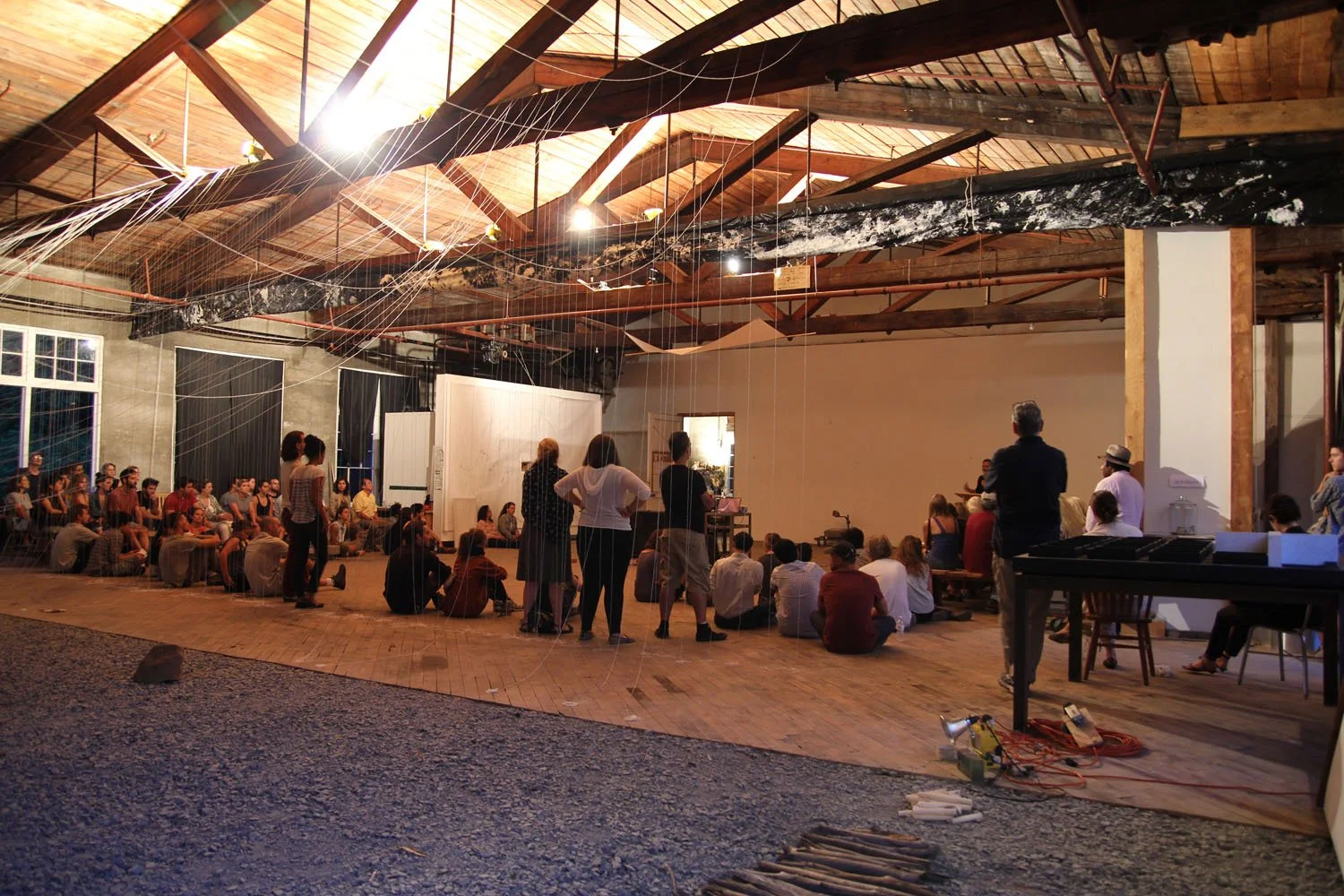
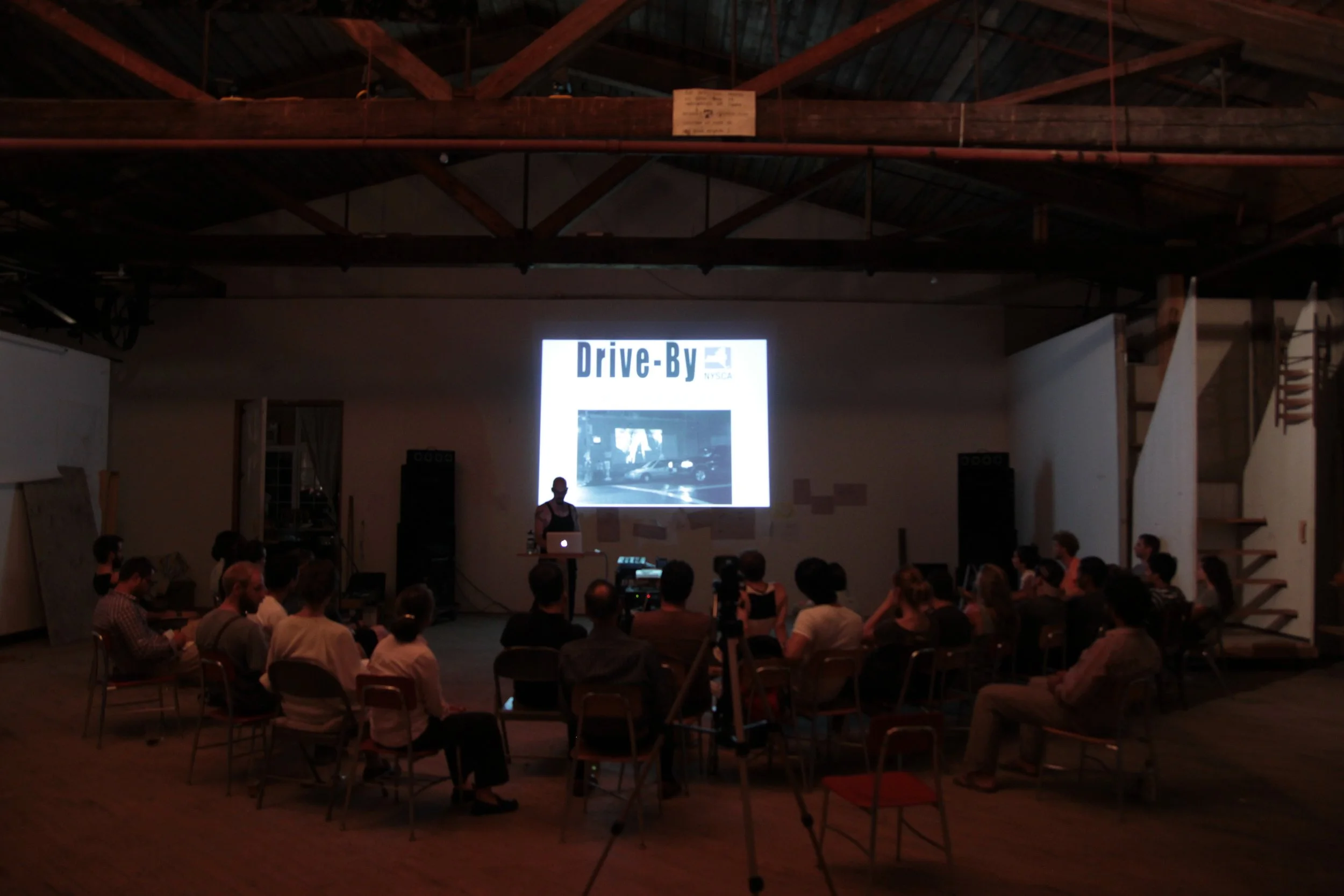
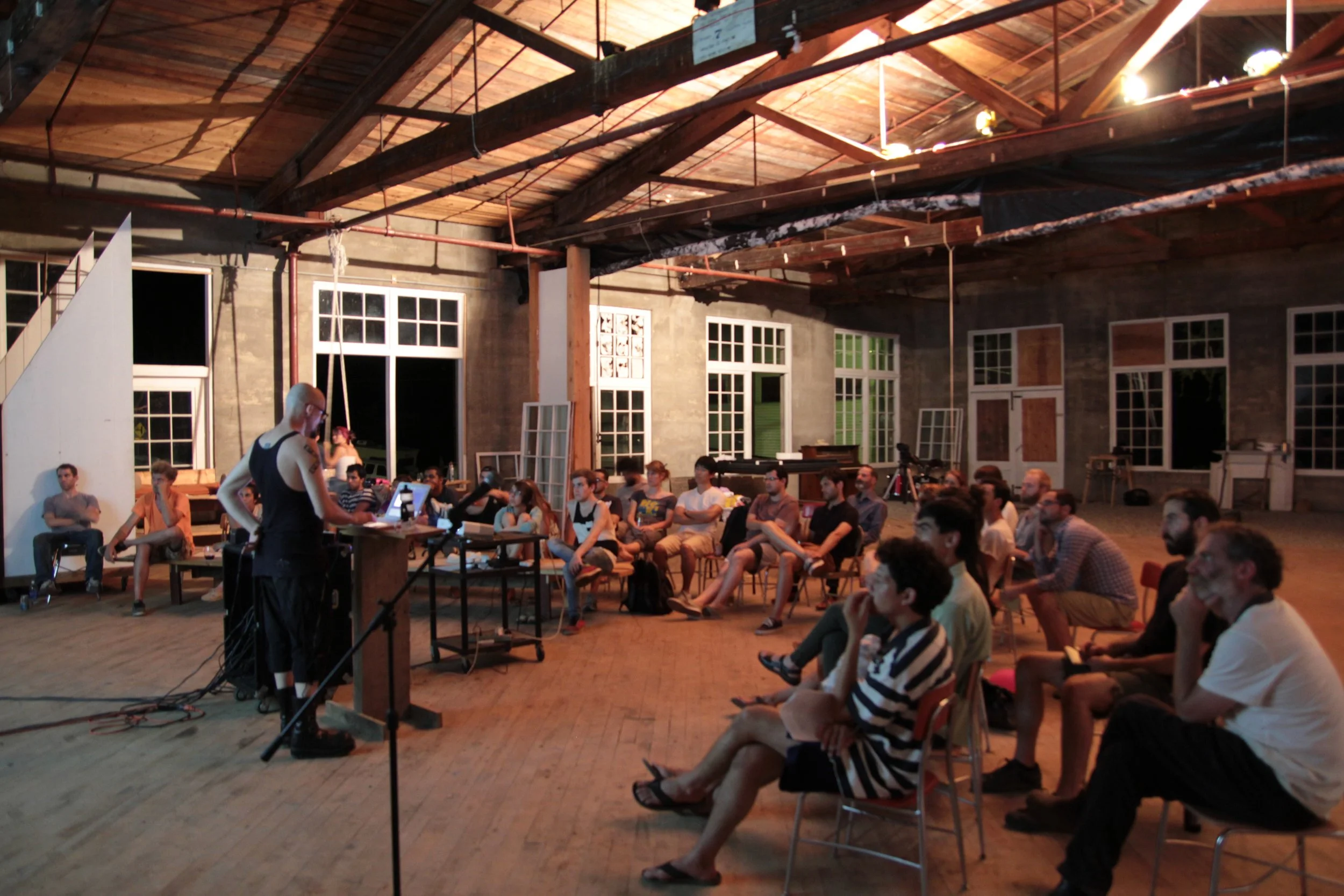
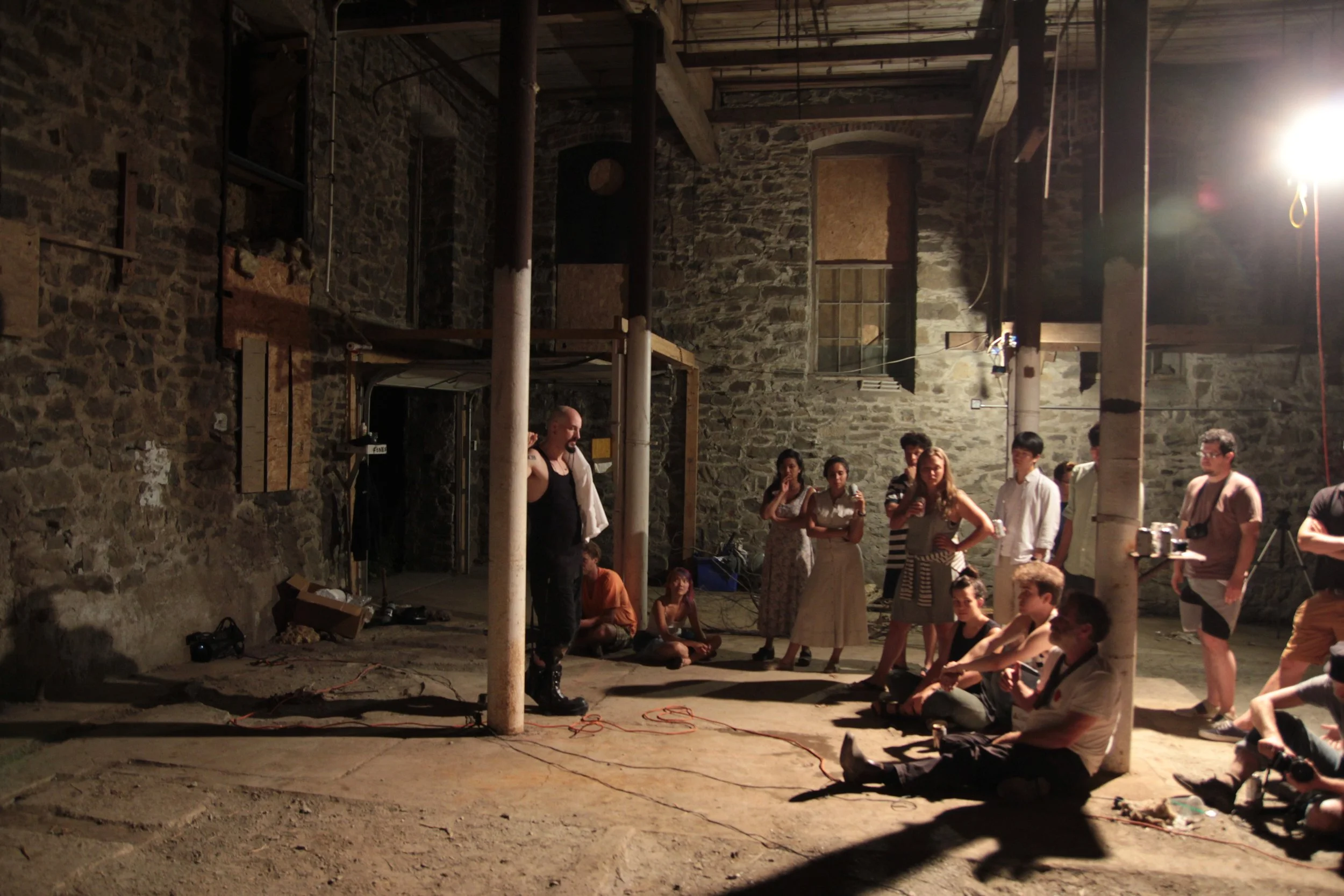
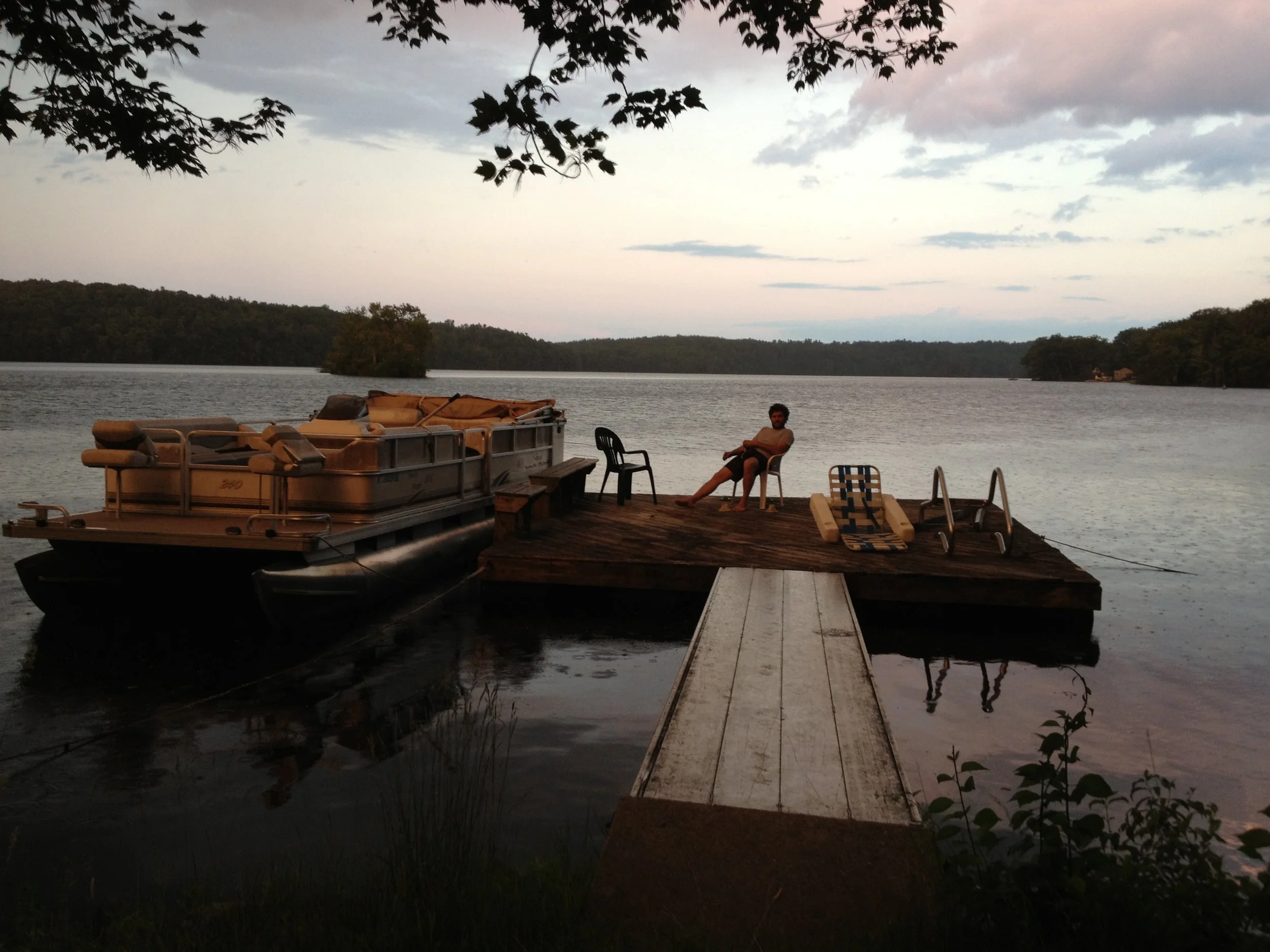
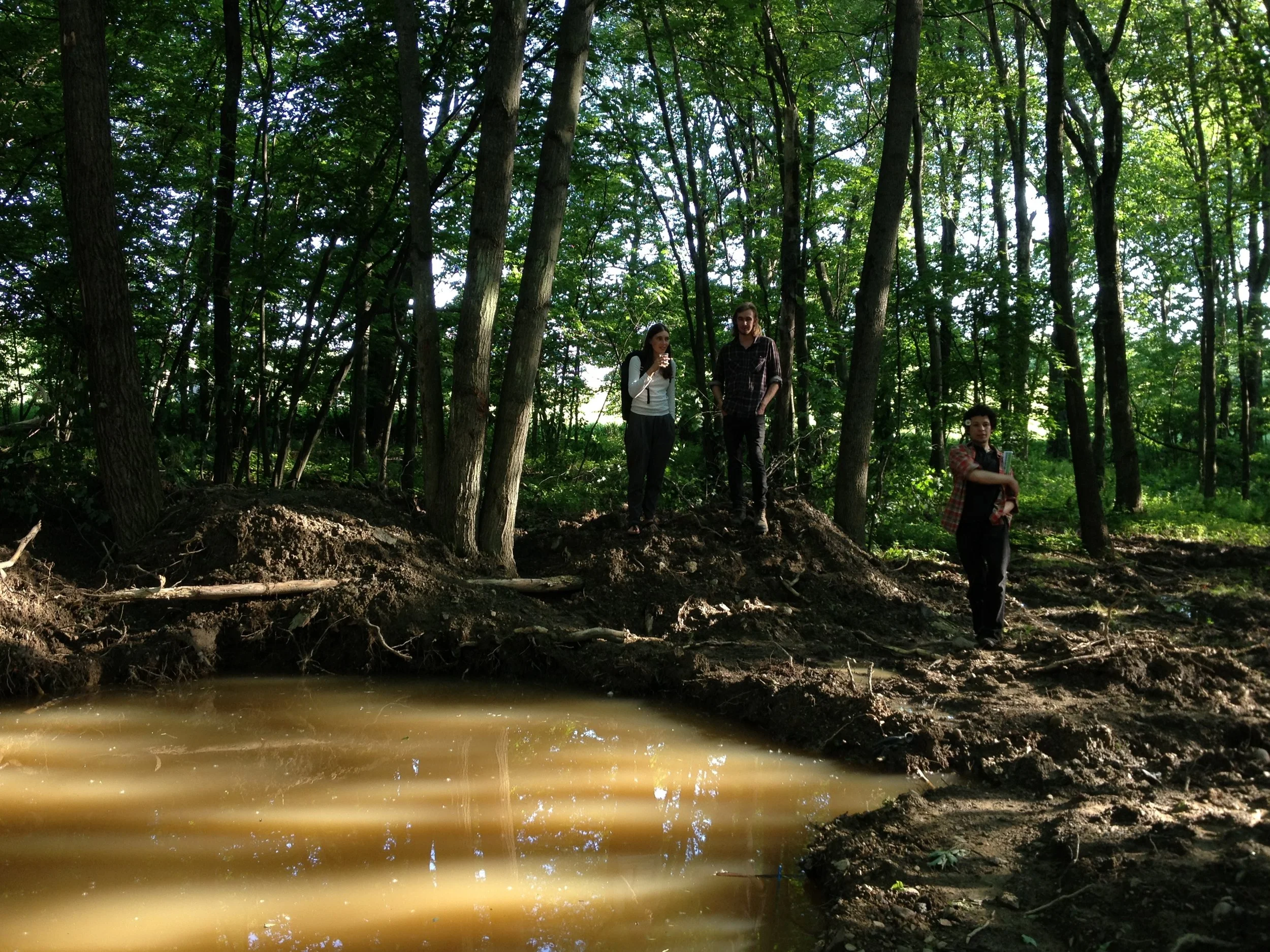
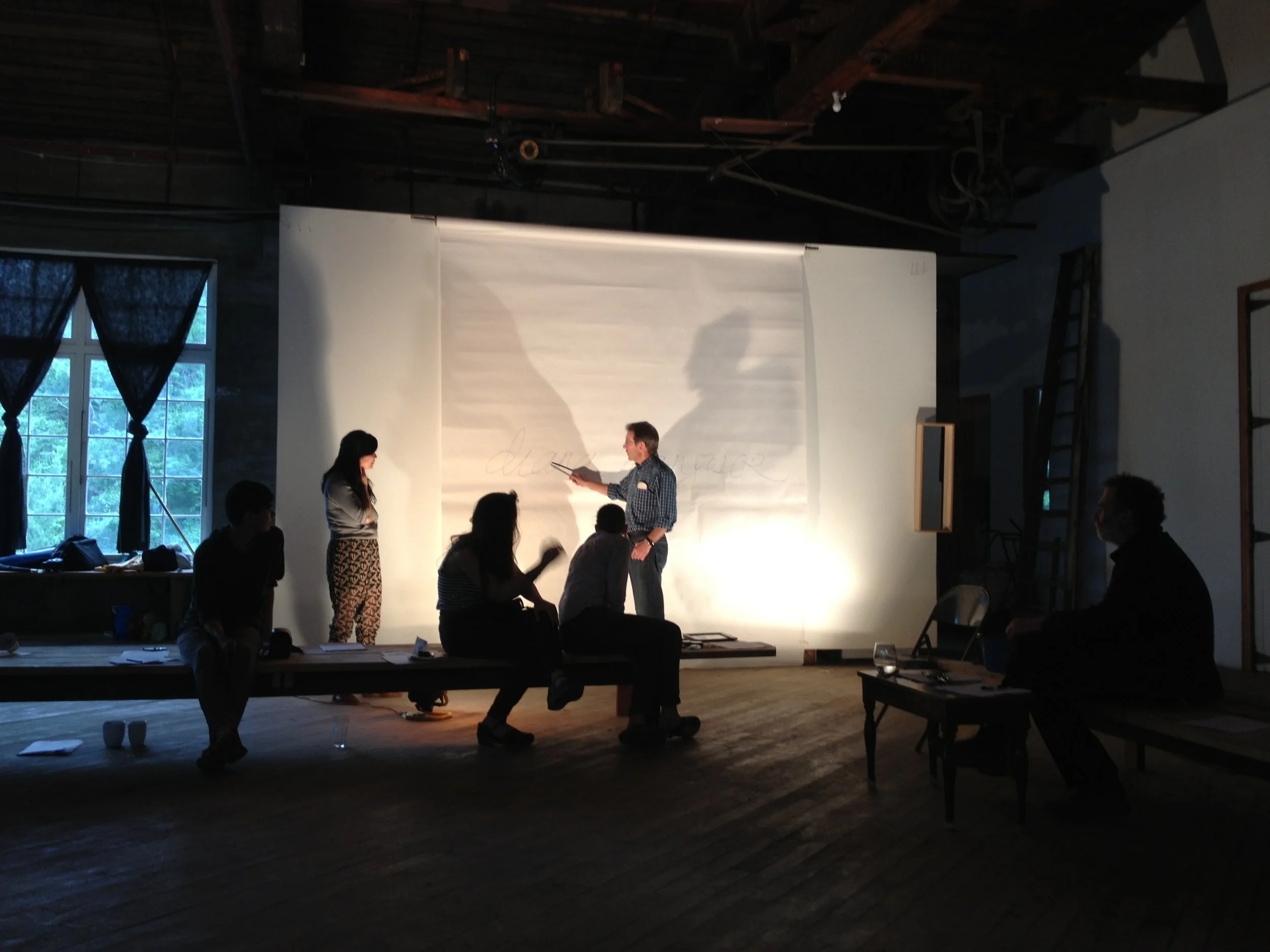
Some of the methods that took hold at the Mill developed through Gersten’s teaching at The Cooper Union and through projects at the Rhode Island School of Design and Aarhus School of Architecture. At Aarhus in 2011, Open Book brought sixteen students’ individual drawings into a shared installation, using a common architectural section, string, light, and projected footage of the students making the work. In February 2012, Aarhus Arc took the work to the scale of a theater. Graduate students built a curved wall in sections, carried it through the snow, and reassembled it indoors, where people on opposite sides used drawing, sound, and projection to communicate through the structure.
Aarhus Arc was the immediate impetus for the first summer at the Mill. Gersten wanted to continue the work, and as soon as the group returned to New York from Denmark, they went to Averill Park and began planning a workshop in the warehouse. Some of the people who had worked on the project in Aarhus took part in that first summer. Related experiments continued at Brown University, where Exquisite Broken Circle used live cameras and projections to connect performances taking place in two semicircular structures. The Mill gave these inquiries a place to develop over successive summers, with room for people to build at full scale and enough time for the work to change as they used what they had made.
Conceived as a khora, it is a site of creative urgency and sustained study, an evolving ecology of relations in which new affinities, linkages, and modes of thought may emerge through the reciprocal transformation of people, practices, materials, and place.
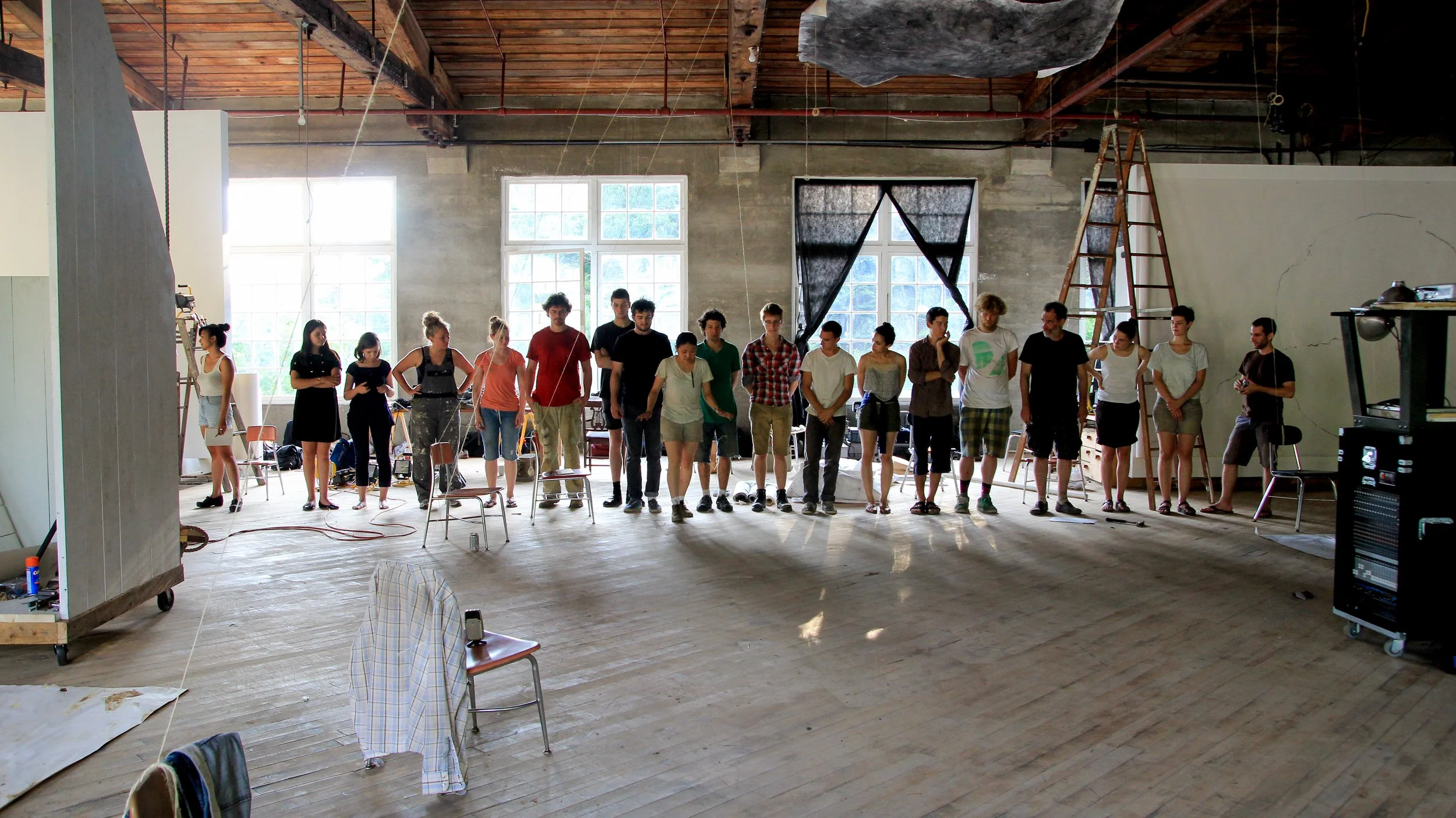
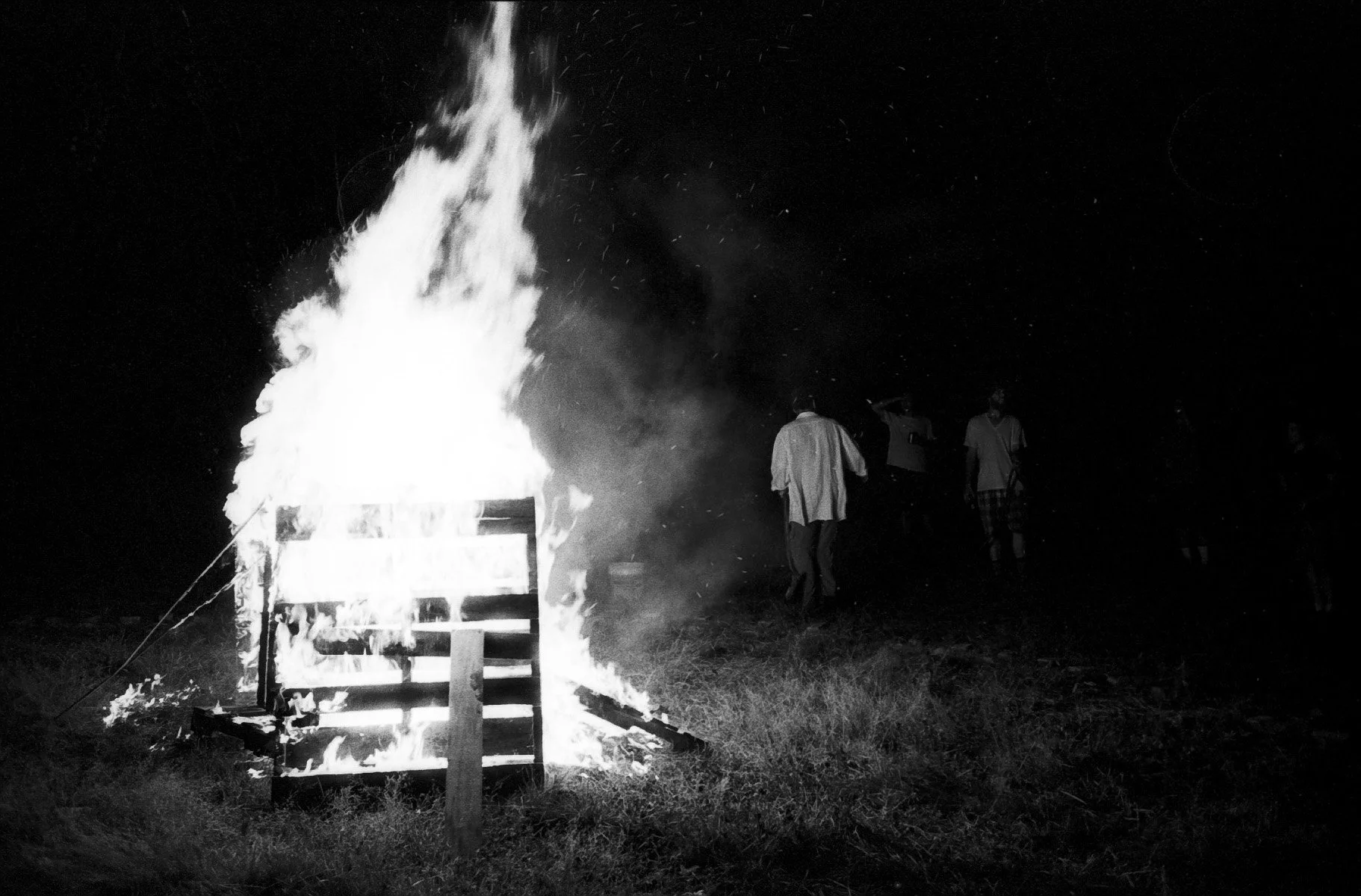
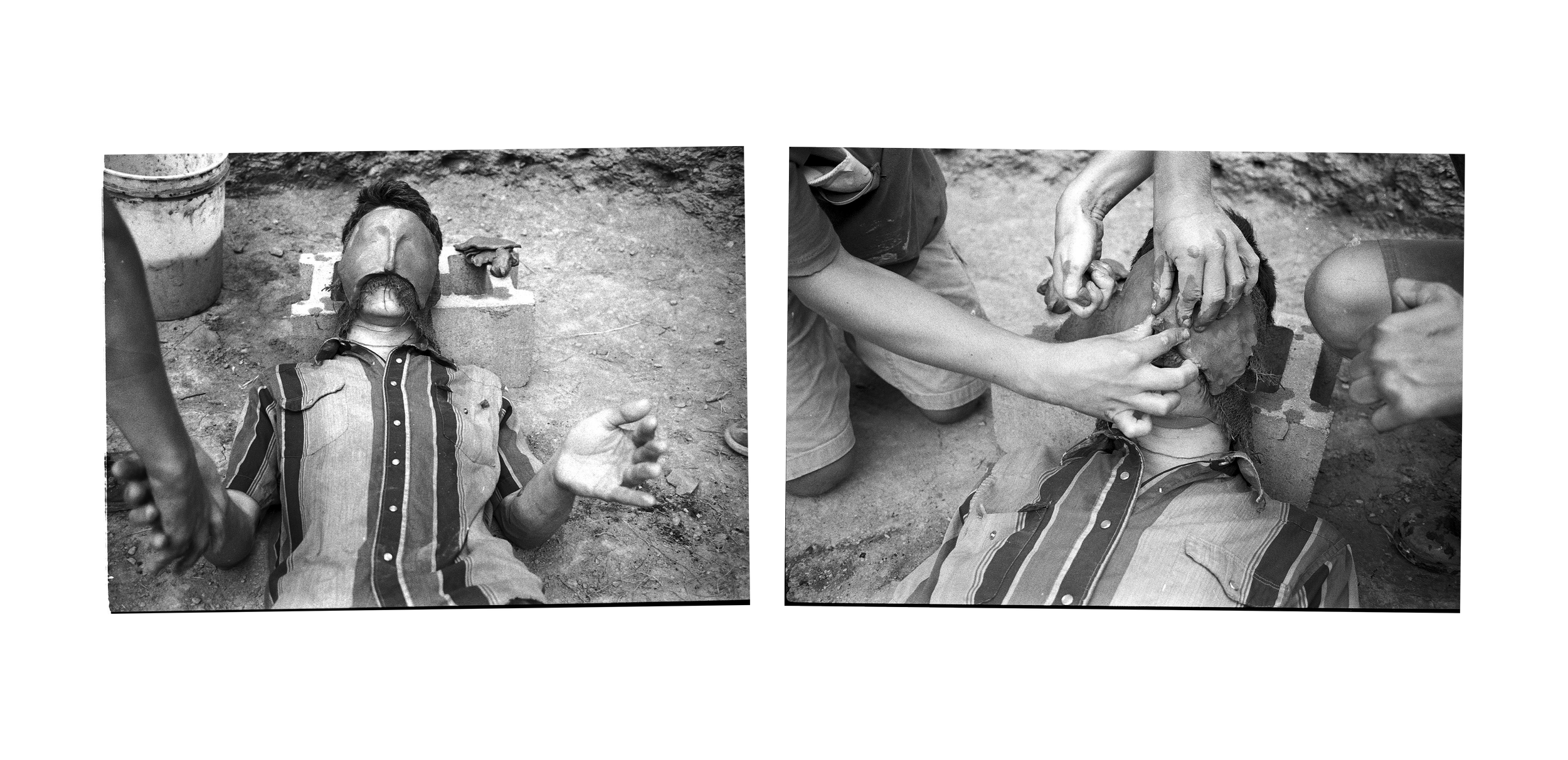
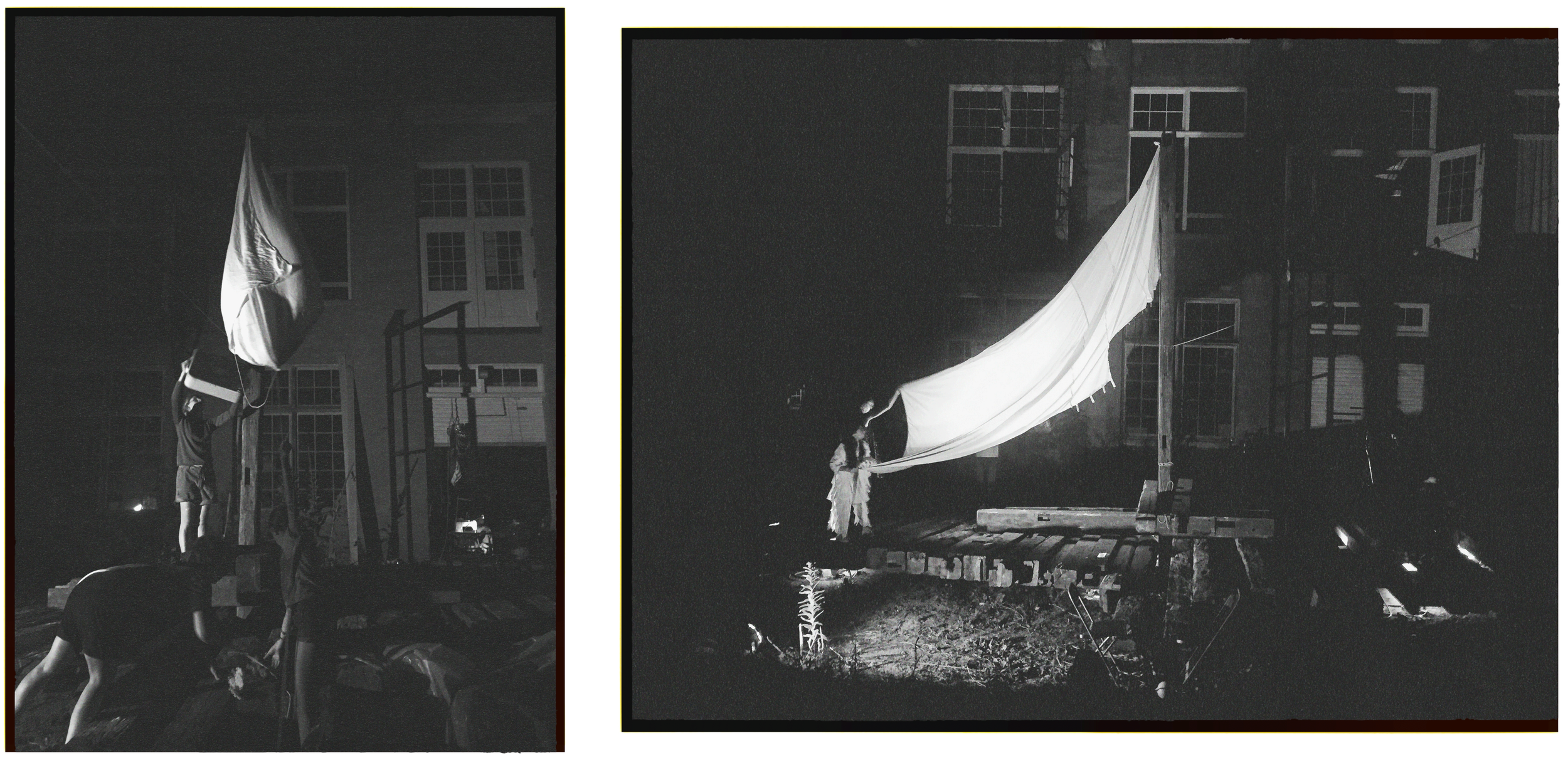
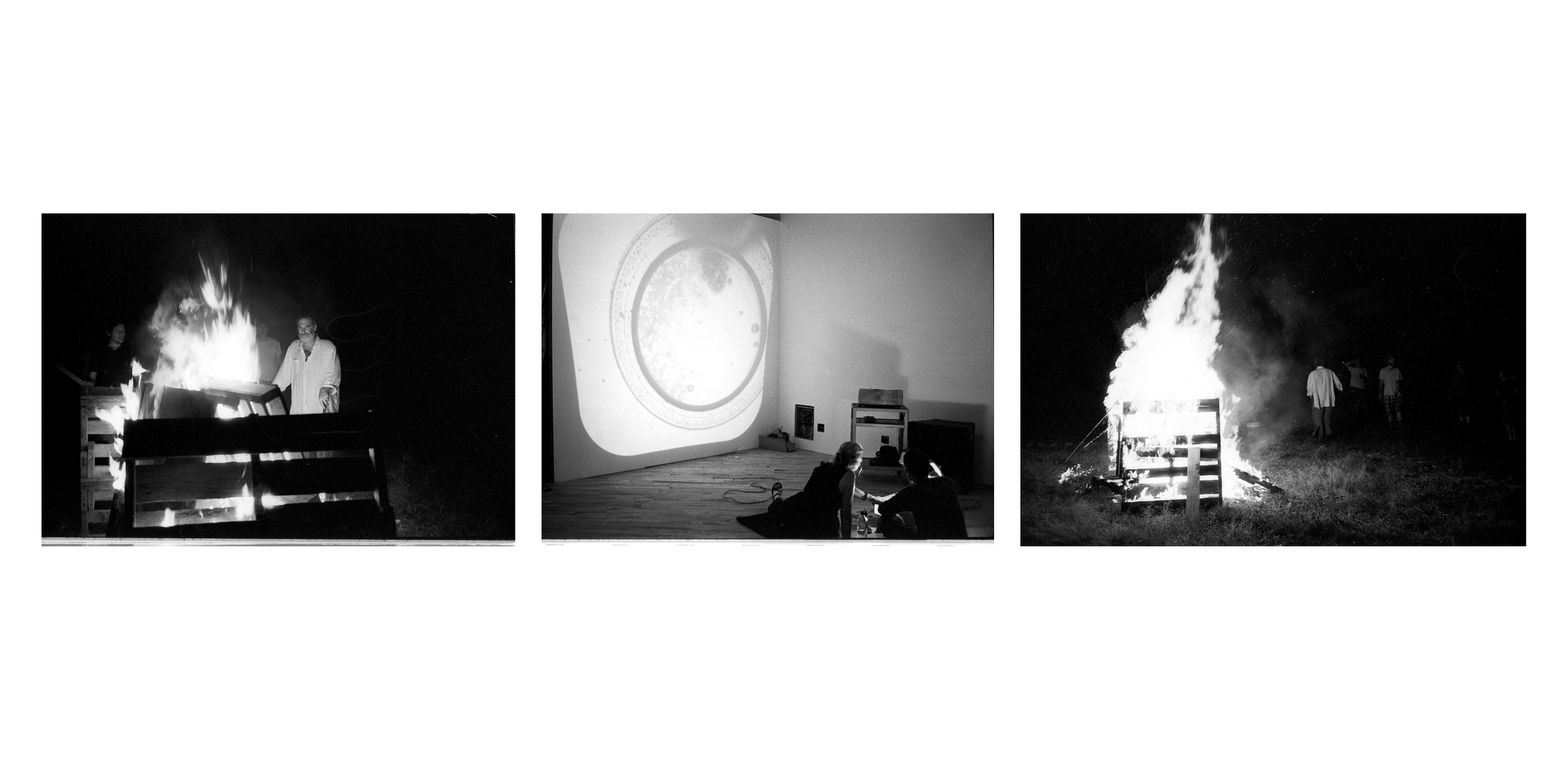
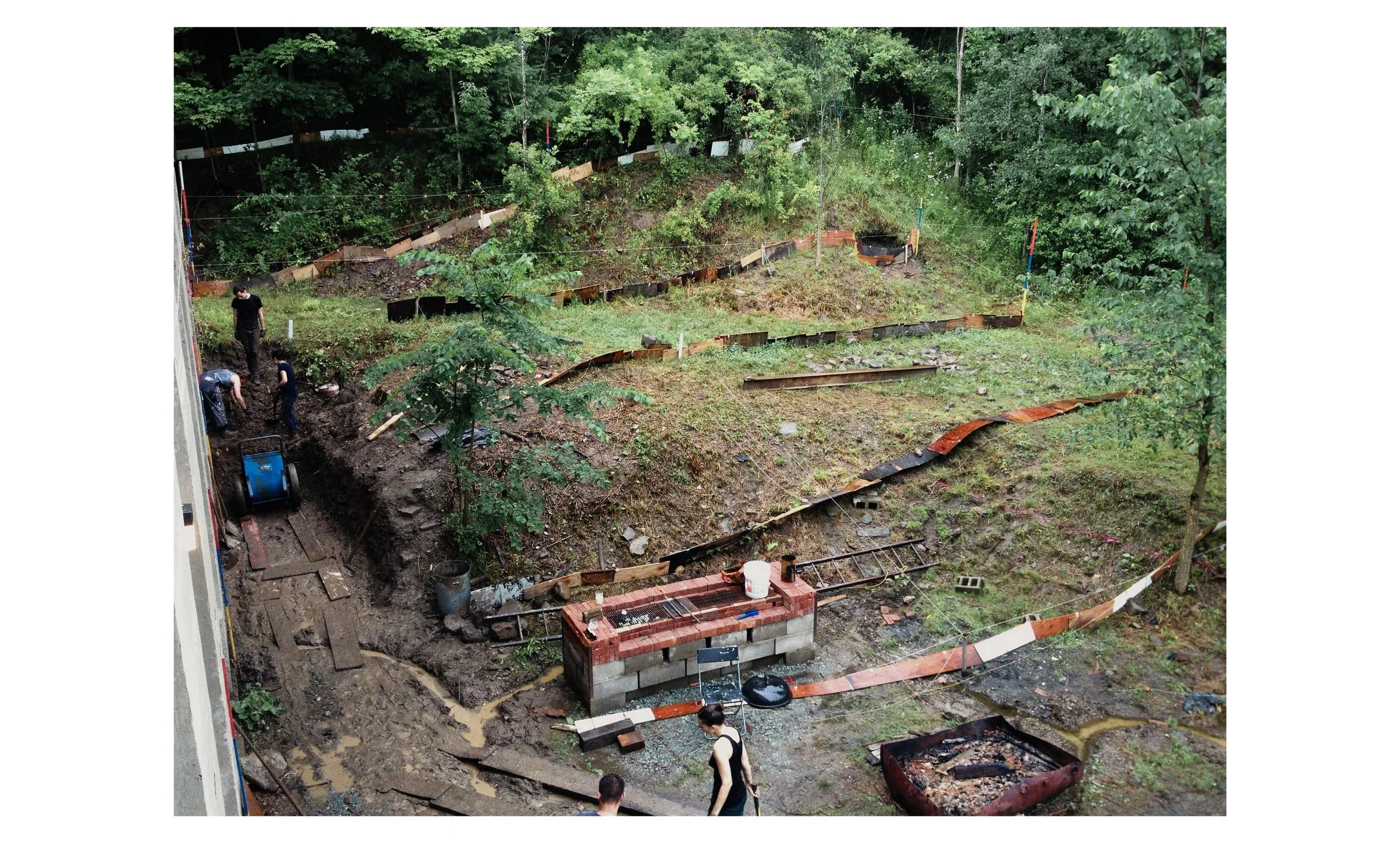
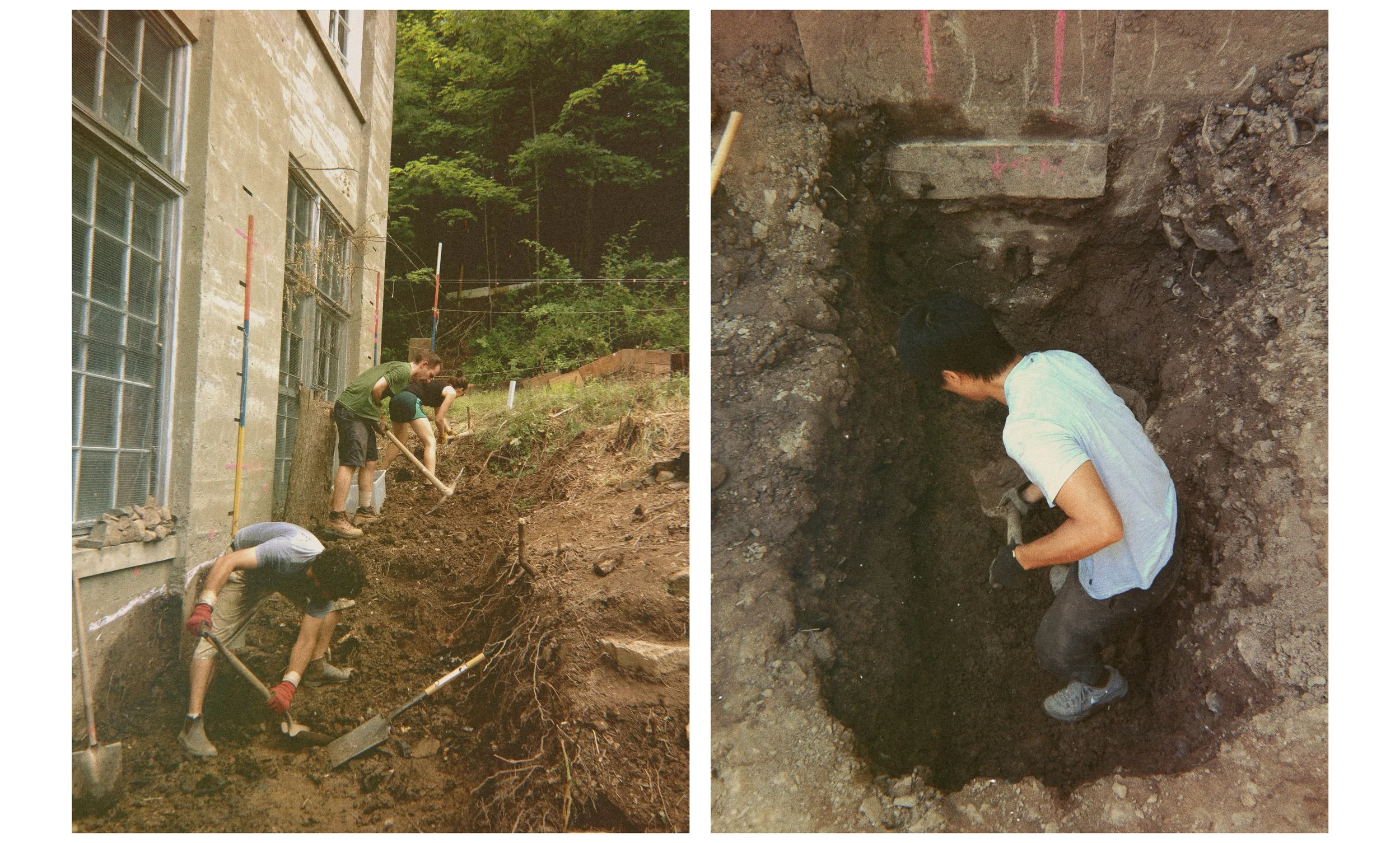
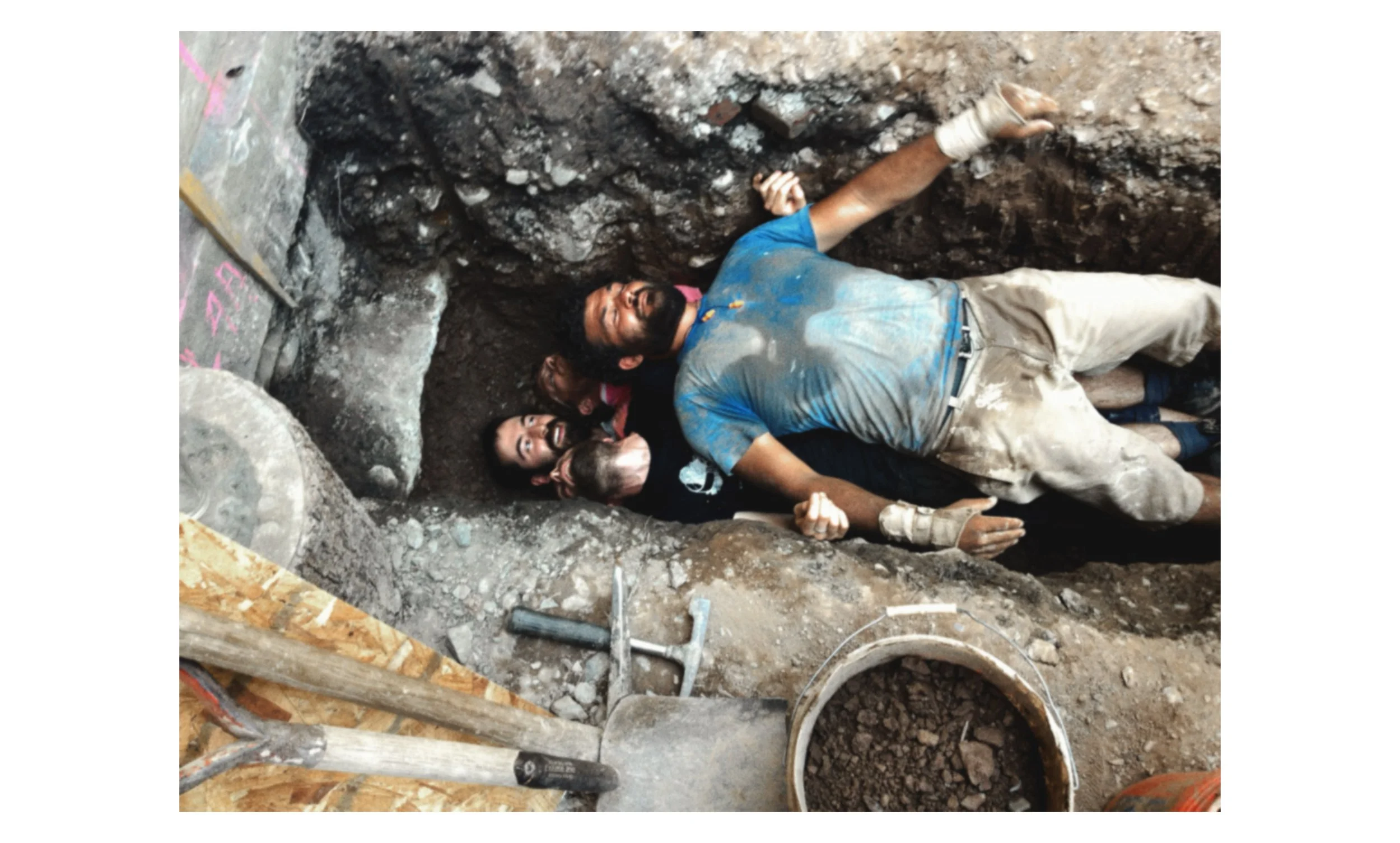
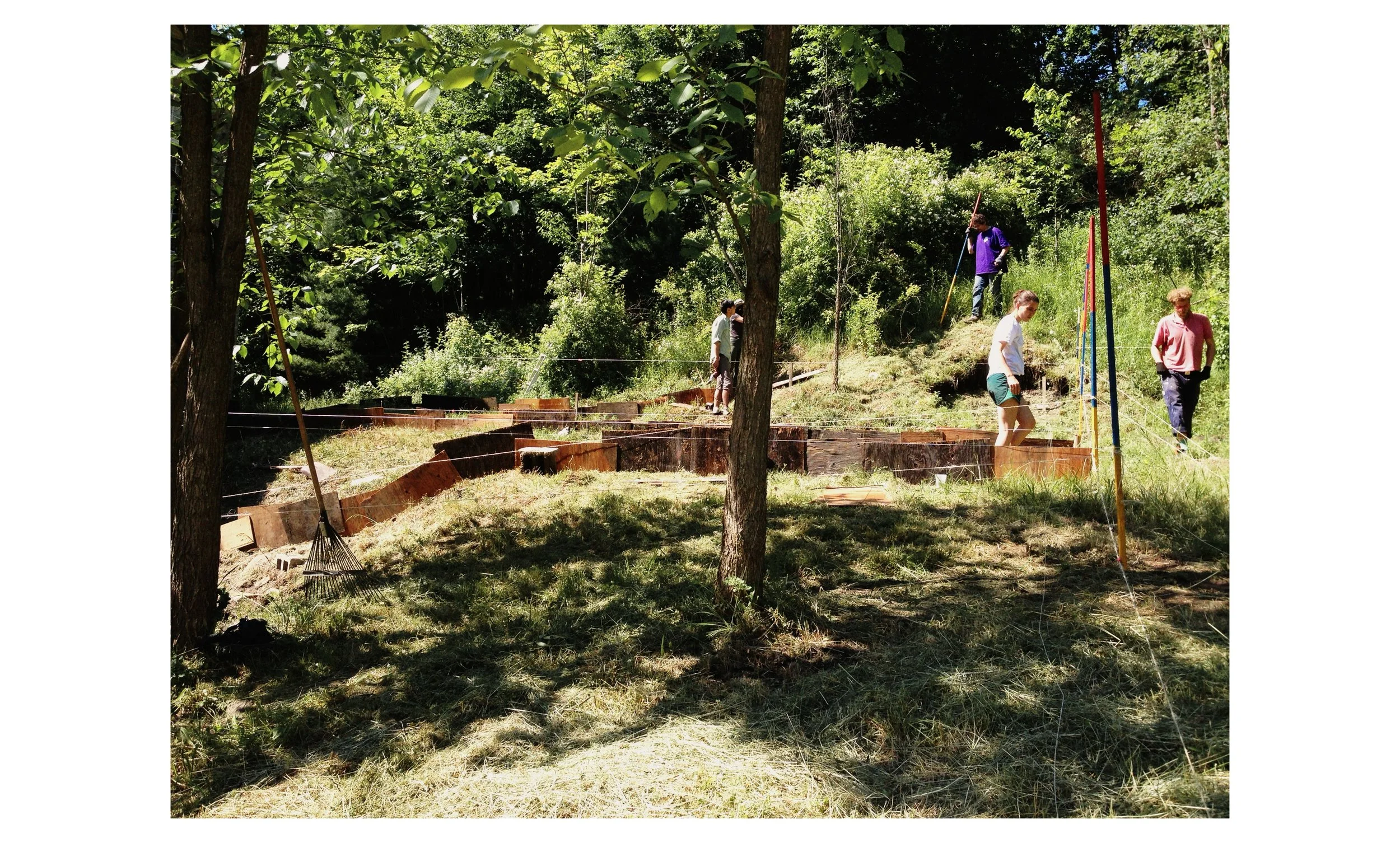
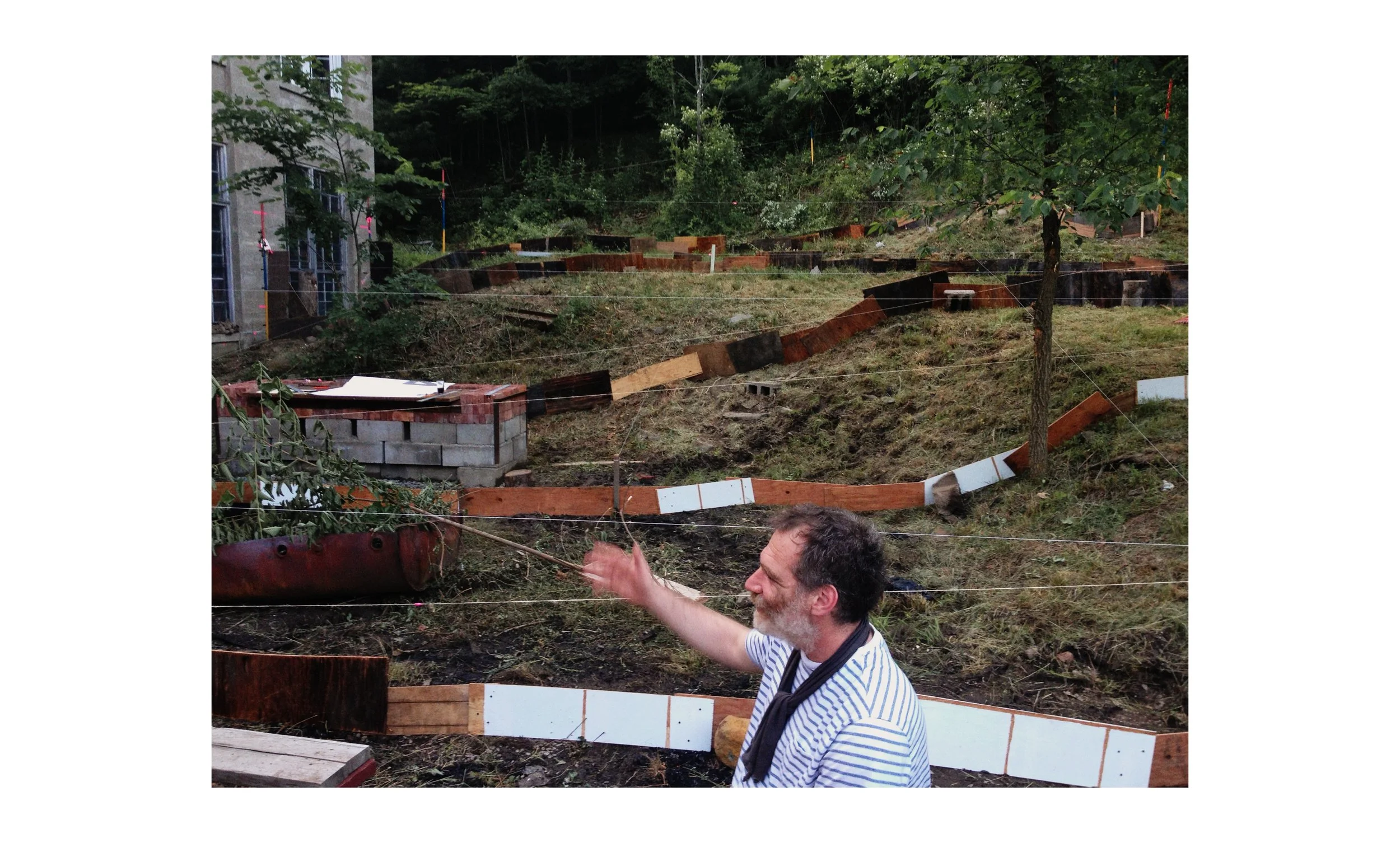
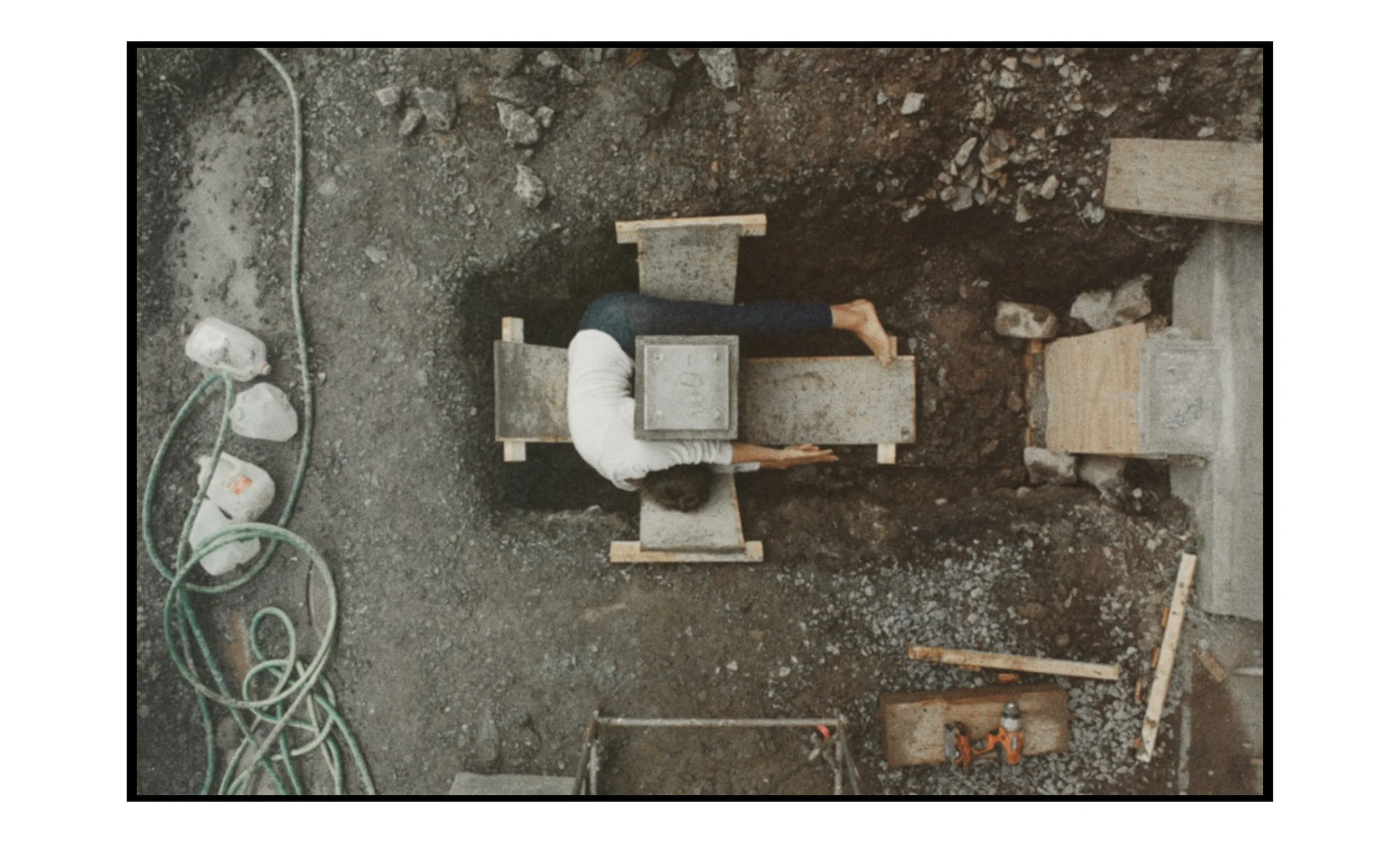
In 2012, Circles: Drawing on Friendship brought an international group to the Mill to make drawings, structures, and stories that came together in a collective performance. In 2013, Exquisite Broken Circle: Suddenly a Khôra organized eight weeks of work around a bridge, using excavation, foundations, and the raising of the structure to give people working in drawing, film, writing, theater, and music questions they could pursue together. In 2014, Circling Towards a Disciplinary Khôra made the relationship between the Mill and the House on the Hill the subject of the summer by working with the form of the residence inside the warehouse. In 2015, Galapagos Now: developed the question of how knowledge evolves through five weeks of construction, discussion, and performance. In 2016, Zoëtrope Sun used cameras, projection, and other media to investigate the relationship between still images, movement, light, and time. In 2017, Constitution asked what constitutes a drawing, a film, a piece of music, or a performance, and brought the resulting work together in a public festival. In 2018, Hinges, Mirrors & Eclipses examined how changes in position, reflection, and light affect what people can perceive and make. Explore the summer workshop archive.
The work of the summers began to circulate while the campus was still taking shape. The film of Circles: Drawing on Friendship, edited by Mauricio Cortes Ortega and Laura Genes, was shown at the University of Manitoba and at Studio-X NYC, where it accompanied Making the Geologic Now, the collection that published Gersten’s essay New Disciplinary Geographies. In 2013, Hostos Design Lab brought students to the Mill, Anne West led FORMWORK writing workshops, and composer Michael Harrison came as a visiting artist. The collaboration between Harrison and Gersten continued in the years that followed and led to Galapagos in C, a multimedia performance presented at the Rhode Island School of Design Museum in December 2015. The Mill gave people time to begin work together, and the relationships formed there could sustain a project through later workshops, performances, and encounters elsewhere.
The ubiquitous observation of our time is transformation: cultural, technological, social, political, economic, and ecological. We are in the midst of profound realignments and rearticulations across the conditions of individual and collective existence, in the ways knowledge is produced and legitimised, culture is created and circulated, and relationships between people, institutions, and communities are constituted. These transformations confront us with questions concerning the distribution of resources, the exercise of authority, the recognition of different forms of knowledge, and the possibilities of participation in a world increasingly shaped by inequality, precarity, and competing demands upon our common life. Across disciplines, geographies, and communities, they call for forms of inquiry, association, and collective invention capable of addressing the complex questions of our time while making room for those that have yet to be articulated.
Conceived as a khora, it is a site of creative urgency and sustained study, an evolving ecology of relations in which new affinities, linkages, and modes of thought may emerge through the reciprocal transformation of people, practices, materials, and place.
Arts Letters & Numbers is an emergent structure opening spaces within broad human, cultural, and disciplinary geographies—spaces of participation, communication, reciprocity, and collective attunement, where people and their work encounter one another and the world. Conceived as a khora, it is a site of creative urgency and sustained study, an evolving ecology of relations in which new affinities, linkages, and modes of thought may emerge through the reciprocal transformation of people, practices, materials, and place. Through an ongoing commitment to critical exchange, refusal, errancy, care, and collective invention, ALN seeks to cultivate forms of knowledge and cultural production that exceed disciplinary boundaries and established institutional conventions. Its practices of study and making are grounded in empathy, ethics, and shared imagination, while remaining attentive to the possibilities of the unforeseen, the unrecognised, and the not-yet-formed.
The transformations of our time bring both promise and instability, demanding careful stewardship, collective responsibility, and sustained attention to the conditions that enable different voices, forms of knowledge, and modes of expression to coexist, contest, and transform one another. As education and cultural production are increasingly subjected to market priorities, financial exclusion, and demands for professional utility, ALN sustains spaces in which inquiry may proceed beyond predetermined outcomes and the hierarchies that regulate whose knowledge counts. Embracing commoning and sympoiesis as practices through which the institution is continually constituted and transformed by those who inhabit it, ALN understands the work of sustaining an institution as inseparable from the work of questioning and remaking its conditions of participation, authority, and care. The shared responsibilities of teaching, making, building, conversation, and everyday communal life become part of an ongoing experiment in collective existence, strengthening the connective tissue of cultural and civic life while remaining responsive to the changing conditions that shape our collective future.
Rooted in its region through sustained, community-based engagement with local schools, artists, families, and civic partners, and internationally engaged through collaborative research, cultural exchange, and relationships across geographic and disciplinary boundaries, ALN works to expand creative and educational opportunity through long-term partnerships, reciprocal forms of participation, and shared infrastructures. Its campus, networks, and communities constitute an evolving commons in which resources, knowledge, practices, and capacities are brought into relation and made available for collective use and transformation. Drawing upon the full potential of these relationships, ALN seeks to cultivate and advance forms of cultural production, civic association, and collective existence that enlarge our capacity to imagine, inhabit, and act within and upon the world.

/ Video
