THE VIEW FROM THE GROUND / Jamie Kalven
ISSUE #1
From Mongol Horses to Microchips; The Silk Road to Silicon Valley
Or, How a Mongol Courier System Became the Blueprint for Big Tech
Silicon Valley thinks it invented global connectivity, but the Mongols were scaling empires before tech bros discovered Patagonia vests. Their relay system was the original high-speed network, complete with rapid expansion, early surveillance, and the occasional hostile takeover. The internet didn’t make the world smaller; Genghis Khan did, and he didn’t even need WiFi to do it.
February 9 2025
T he modern world likes to imagine it came up with efficiency, as if it sprang, immaculate and unprecedented, from the circuitry of Silicon Valley. It didn’t. The first true information superhighway wasn’t coaxial or fiber optic, and it certainly wasn’t prototyped in a Palo Alto garage. It ran on horseflesh. Mongol horses to be exact, compact, unglamorous, bred not for elegance but for relentless endurance. They were the engines of an empire that, at its apex, stretched from the Sea of Japan to the banks of the Danube, and transmitted intelligence across that massive expanse faster than any civilization before it. If you believe globalization began with the Internet, it’s only because you haven’t been properly introduced to the thirteenth century.
/about
Lecture
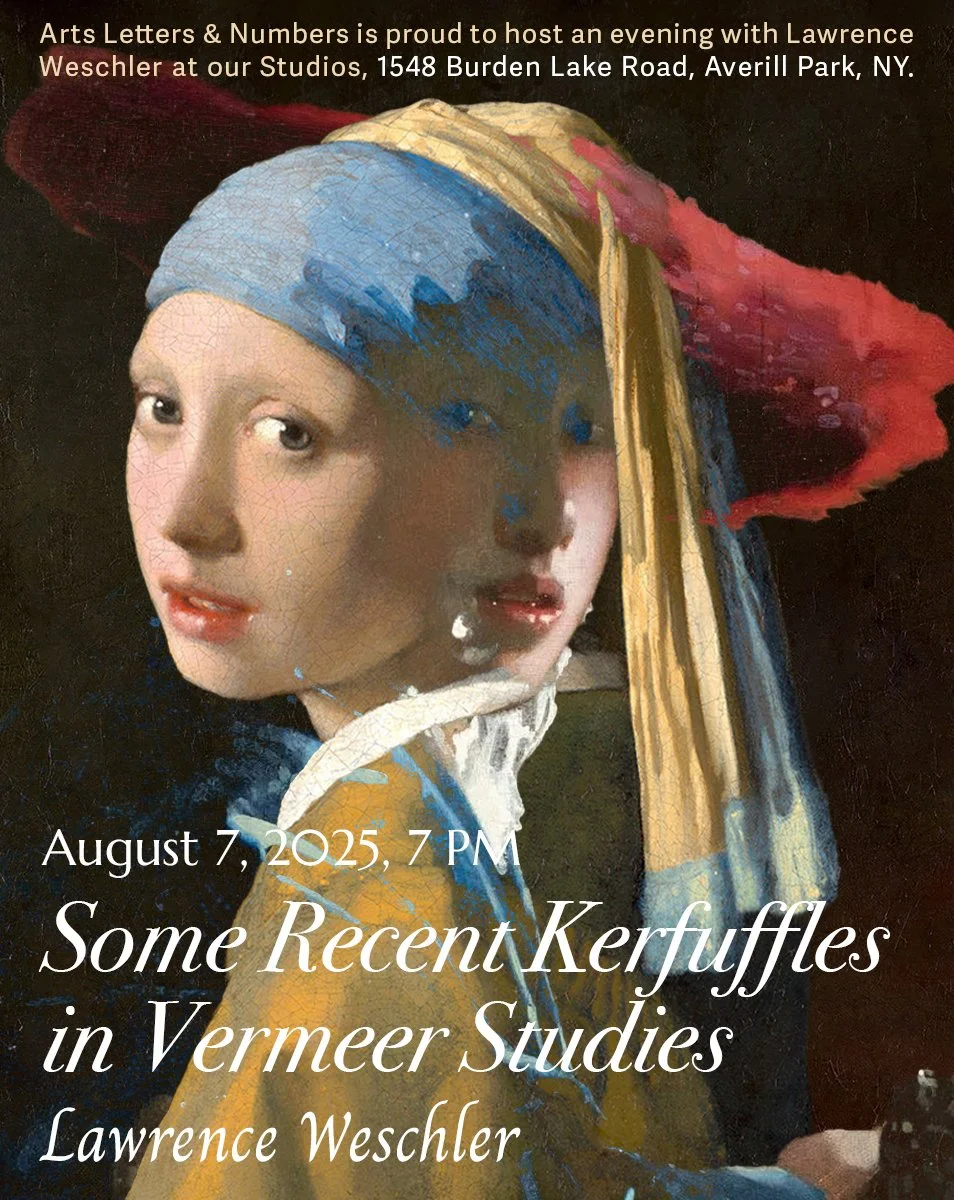
Lawrence Weschler presents “Some Recent Kerfuffles in Vermeer Studies,” starting with Penn and Jilette’s film Tim’s Vermeer from a few years back (with a denouement in Chris Marker’s La Jetée); then the Art Crime of the Century So Far (the so-called restauration of what was once one of Vermeer’s greatest and most biographically pivotal paintings, now pretty much destroyed—Dresden’s heartrending Girl Reading a Letter at an Open Window); then the Main Event: mounting evidence that Ben Binstock may well be right that the Girl with a Pearl Earring is not (per Tracy Chevalier) Vermeer’s mistress but rather his oldest child, his daughter Maria, who was also his assistant and ongoing painting partner, completely responsible for fully 8 of the 34 paintings currently attributed to her father—including several of the most beloved (such as the National Gallery’s Girl with a Red Hat, which is Maria’s self-portrait, and the Frick’s Mistress and Maid, currently at the center of their big grand reopening celebratory Three Vermeer Love Letters show).
THURSDAY, AUG 7, 2025
TIME
DOORS:65:30PM
START: 7PM
LOCATION
1548 Burden Lake Road, Averill Park, NY
Lawrence Weschler
/bio
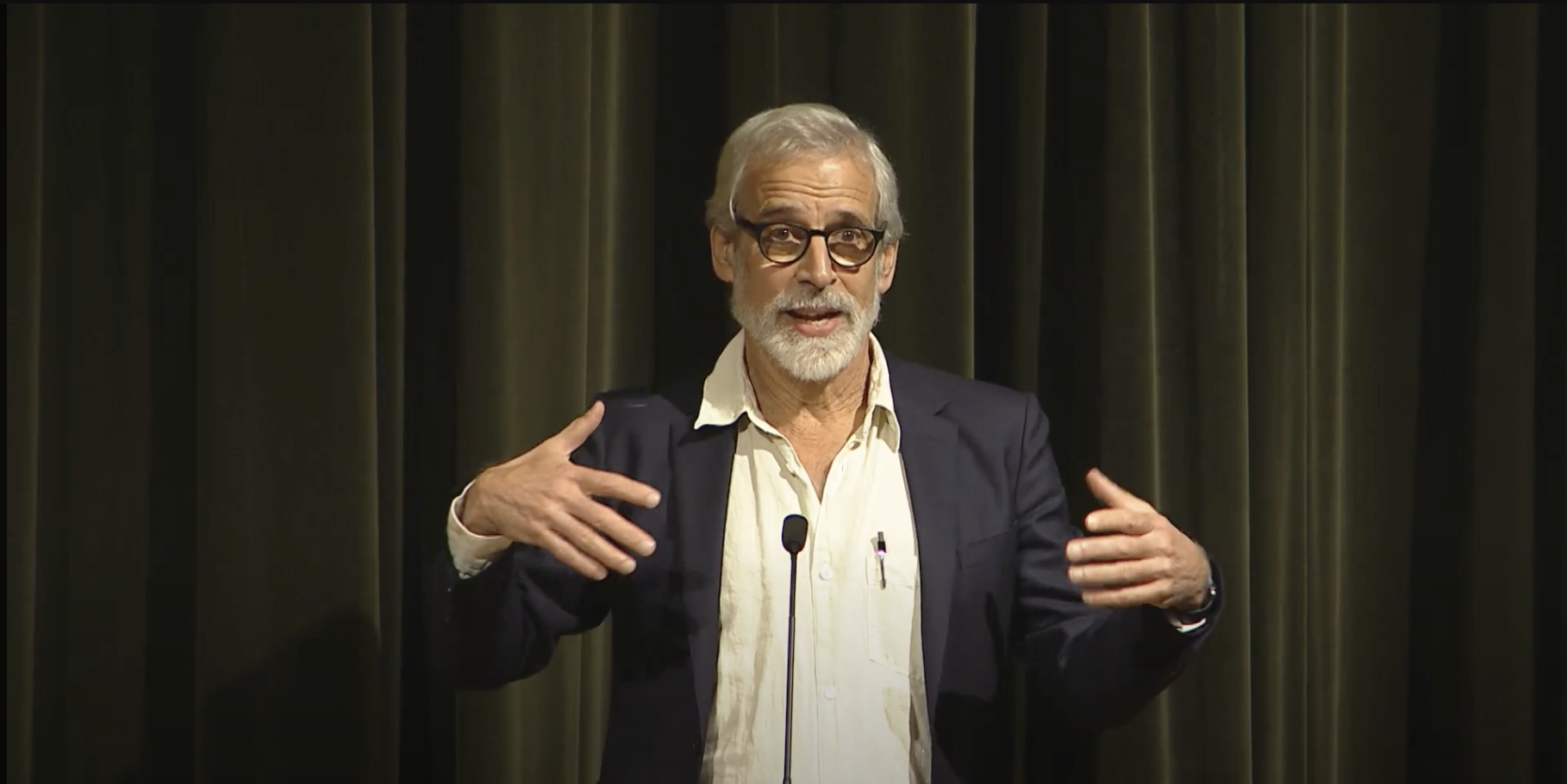
Lawrence Weschler was for over twenty years a staff writer at The New Yorker, where his work shuttled between political tragedies and cultural comedies, and then the director, now emeritus, of the NY Institute for the Humanities at NYU and concurrently the artistic director, also now emeritus, of the Chicago Humanities Festival. He continues to write regularly for the likes of Vanity Fair, The Atlantic, the New York Times Magazine, The Nation, McSweeneys and The Believer. His over twenty books include Seeing is Forgetting the Name of the Thing One Sees (on light and space artist Robert Irwin). Mr Wilson's Cabinet of Wonder (on LA's Museum of Jurassic Technology), Vermeer in Bosnia, and more recently, a biographical memoir chronicling his thirty five year friendship with the neurolgist Oliver Sacks, And How are You, Doctor Sacks?
For more, see www.lawrenceweschler.com
/media
/documentation (coming soon)
/other lectures
Jamie Kalven | Sixteen Shots
Wheaton College
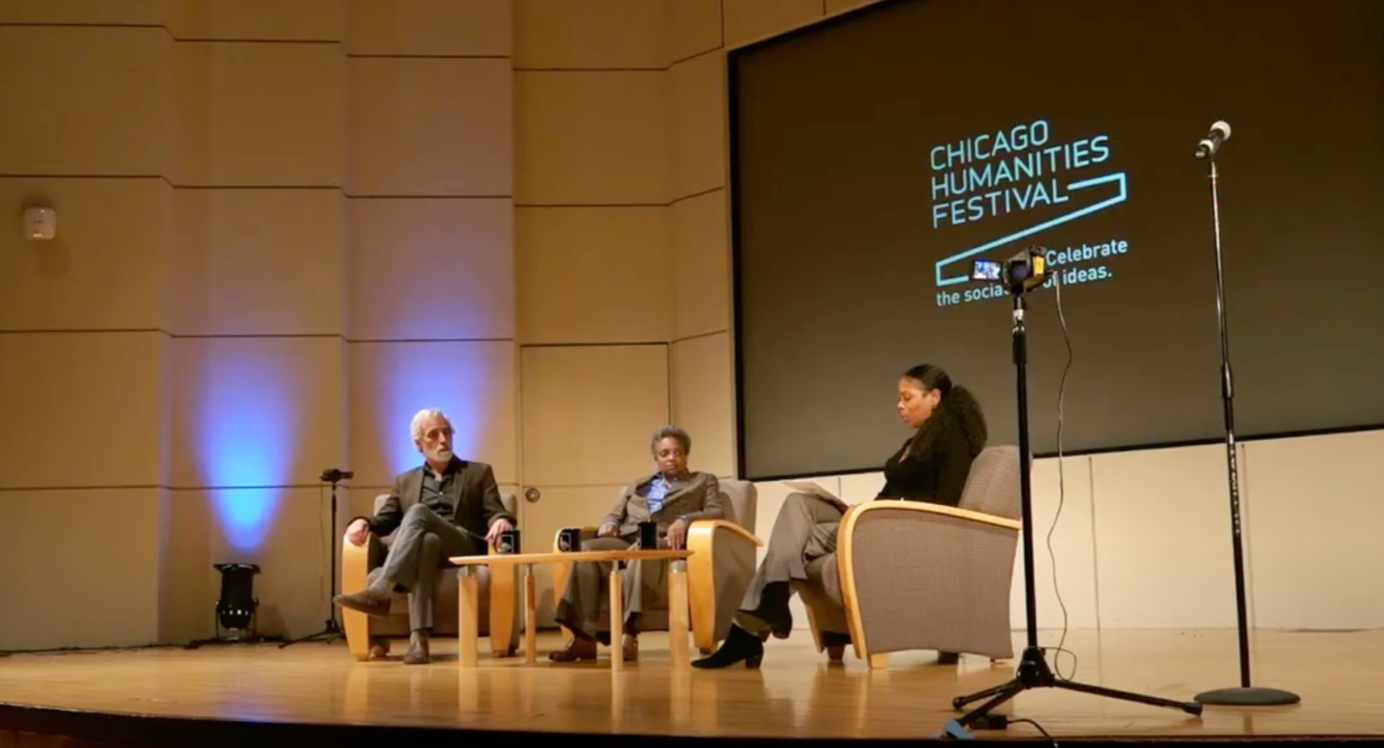
Chicago's Culture of Policing: Jamie Kalven, Lori Lightfoot, and Dawn Turner
Chicago Humanities